Author: Citizen Journalist

  • The Devil’s Advocate: What Price for Morality?

    The Devil’s Advocate: What Price for Morality?

    This piece was submitted on 15 December 2019 and was not published at the time due to a system error. Read it, leave a comment and share it with your tribe. The Living Zimbabwe Team.

    WR 29: THE DEVILS ADVOCATE: WHAT PRICE FOR MORALITY?

    Warmest greetings to you all despite the turbulent weather. In a week where we find ourselves in the midst of a fractious election, a particular topic has captured the imagination of a number of us, the ethics of a criminal defense attorney.

    Senior MDC member and [crucially] Masvingo Mayor Collen Maboke is representing Zanu PF youth accused of violently locking a Bikita engineer out of his office recently. The same Maboke who was ordered by President Chamisa to step down as the mayor of Masvingo on allegations that he had defied the party position in which he stood against MDC Alliance preferred candidate Godfrey Kurauone during the mayoral elections.

    Maboke was also accused of making a pact with Zanu PF councillors in the elections that saw the ruling party’s Wellington Mahwende coming in as a deputy mayor [The two have since buried the hatchet and Chamisa has since given Maboke the green light to take up his office at the Civic Centre].
    ZANU-PF has chided MDC politicians who are lawyers for taking up cases of ruling party officials accused of corruption.

    Zanu-PF political commissar Victor Matemadanda expressed concern over the development as it comes at a time when the Zimbabwe Anti-Corruption Commission (Zacc) recently arrested Tourism Minister Prisca Mupfumira over the criminal abuse office.

    “At the moment, every person who is accused of being corrupt in Zanu-PF is being represented by an MDC lawyer, not your ordinary lawyers, some who are MPs and one wonders what moral ground they have when they talk about corruption.’’

    “Are they really fighting corruption, or they just fight for money,” Matemadanda said.

    Zimbabweans have also expressed their concern over the representation of corrupt Zanu-PF officials by the opposition.

    Several members of the MDC, who are lawyers, are representing under-fire Zanu-PF officials – from the party’s vice national chairperson Job Sikhala, who has been retained as Walter Mzembi’s lead counsel, vice president Welshman Ncube who is representing former VP Phelekezela Mphoko. Mphoko is now suing Ncube for allegedly “neglecting” to transfer more than US$1.4m (R20.7m), part of an amount awarded to Mphoko and his son Siqokoqela after a protracted ownership battle for retailer Choppies Enterprises Ltd., and Tendai Biti who at one point represented former Reserve Bank governor Gideon Gono.

    Now, there is controversy about whether lawyers aligned to the MDC – which is a proponent of punishment for alleged Zanu-PF thieves – can mount a defence as to why the same alleged thieves should not go to jail.

    CASE FOR THE DEFENCE

    Defense lawyers are ethically bound to zealously represent all clients, those whom they think will be justly found guilty as well as those whom they think are factually innocent. A vigorous defence is necessary to protect the innocent and to ensure that judges and citizens—and not the police—have the ultimate power to decide who is guilty of a crime.

    A defendant may have done the act in question, but the client may have a valid defence that would exonerate him. For these reasons, among others, defence lawyers often do not ask their clients if they committed the crime. Instead, the lawyer uses the facts to put on the best defence possible and leaves the question of guilt to the judge or jury.

    The things you have to realize are (1) A person is innocent until proven guilty (usually beyond a reasonable doubt), (2) the government has unlimited resources at its disposal to prove a case, (3) prosecutors, judges, juries are all human beings, and not infallible and (4) there is a moral obligation to uphold the rights of all, especially the unpopular.

    The job of a lawyer is to ensure the government, from the arresting officer to the prosecutor, follow the rules that govern the criminal justice system. These rules are to protect the citizens from overreaching by the police and prosecutors. It’s a check against government power.

    “Whether the client is in fact guilty or not” is a common theme in anti-justice system arguments. First, your client is not guilty until proven otherwise. Second, just because someone thinks you’re guilty does not make them guilty, nor does it make them less deserving of their civil rights.

    You might think that shady-looking fellow “looks guilty” and fortunately, that’s not a reason to incarcerate someone. People can be mistaken, they can be wrong, they can have it “in” for your client, they can make errors along the way or they can be so blinded by vengeance, that they will want to punish a likely culprit, even if it’s not the correct person. As the accused’s lawyer, you have a moral obligation, both to your client and to the justice system, to ensure that none of that happens.

    ‘’It is the duty of a lawyer to accept any briefs in the Court in which he professes to practice provided the proper professional fee is offered unless there are special circumstances which justify his refusal.”
    ” A legal practitioner is obliged to accept the brief from the client….(he) is not only bound to accept the brief, he should put his best in discharging his responsibilities towards the cause. The rationale behind this rule is that legal practitioners should not pick and choose briefs they should handle in court. As officers of the court, they are not at liberty to select the cases to appear in since the primary duty of a legal practitioner appearing in a case in court is to assist the court in arriving at a just decision.

    The fact that a case is unpopular or that a client has a very bad criminal record or public record or that the legal practitioner believes that the accused person is guilty, may not justify his refusal to accept the client’s case. (This) …cab rank rule is mostly applied in criminal cases to prevent accused persons from being denied legal representation by lawyers owing to their bad record… “

    Below is an argument presented by my lecturer when l asked him this thorny question:

    ‘’Say you’re an A&E doctor. Into the A&E one night is wheeled a gang member who has just been shot in a gunfight and is bleeding out. The gang member himself is a bad man, and you hear he shot an innocent person in the gunfight himself. You may feel, morally, that he deserves punishment, deserves the gunshot, maybe even deserves to die.

    Do you let him die?

    Not if you’re an ethical doctor. You do your absolute bloody best to save the no-good’s life, because that’s your job. Judging him is up to the courts and to God. If you let him bleed out, no matter how bad he is, you have failed him, you’ve cheated him, and you’ve cheated yourself. You’ve even cheated the courts, because it was their right, not yours, to decide his punishment.’’

    There’s a reason that Maimonides’ Oath says, “May I never see in the patient anything but a fellow creature in pain.”

    Lawyers are the same way. We don’t have to like our clients. We can morally disapprove of them. We can even send them to another lawyer if our dislike of them is so intense that we can’t protect their interests adequately. But so long as we represent them, we do our absolute best, because that’s our moral obligation, just like the doctor with the gangster.

    Everyone deserves a fair hearing, even people accused of the most heinous crimes, and whether or not they actually committed those crimes. Even if they did commit them. So the ethics of defence lawyers, if you want, are the defence of liberty, of everybody’s right to due process, equal protection, and other technicalities, namely, the fundamental law of the land and the rules for a fair hearing involved in the rules of criminal procedure, evidence and the like.

    MORAL ARGUMENT

    For those in private litigation practice, no lawyer has to take the case of any client if they do not wish to. If the lawyer doesn’t believe in the client’s case, they shouldn’t take it on — in fact, doing so might run them at risk of violating one or more of our professions Rules of Professional Conduct, since it’s hard to provide someone with the best representation if you honestly believe them to be in the wrong in the matter.

    Disclosure of interest

    When lawyers are consulted about matters in which they have a personal interest, they must explain that interest to the client. This will let the client decide whether or not they want the lawyer to continue working for them.

    If the personal interest is significant and a lawyer’s advice could be affected by it, the solicitor must decline to work for the client and advise them to look for another solicitor.
    I would argue that corruption, embezzlement, murder, terrorism and wholesale violation of human rights, is of significant personal interest to all democrats in the MDC and in particular its leadership.

    Conflict of interest

    Equally, a lawyer cannot work for a client when there is a conflict between the interest of the client and the lawyer. This also applies to other organisations that lawyers work for. Where there is a conflict of interest, lawyers must inform all of the clients involved. Even where there is only a possible conflict of interest, lawyers should be very careful.

    There is an obvious and powerful argument that unjust advocacy is morally wrong: as a general rule, one should not knowingly pursue injustice.

    The ethical dilemmas facing a lawyer with a guilty client appear frequently in popular drama, where the ethical resolution is often supposed to be for the lawyer to betray his client by intentionally sabotaging the case.

    I propose a less extreme means of avoiding contributing to injustice: The lawyer should inform his client up front that he will refuse to advocate for a position that he, the lawyer, finds to be unjust. If the client wishes to retain the lawyer’s services after being informed of this condition, the lawyer then does no wrong by following through on the stated condition and indeed would do wrong by failing to follow through.

    Equating the bad acts of the accused with the lawyer representing them is a natural human impulse, especially when the crimes alleged are heinous and the defendants are unpopular.

    While we respect that every accused person has the right to legal representation of their choice, I would like us to be aware that people like Walter Mzembi are accused of corruption and it was Deputy Vice Chairperson Sikhala who took up the case.

    We once had Gono being a client of Vice President Biti and also of late Professor Ncube taking up Mphoko’s battles with the government.

    The masses out there are not so sophisticated that they see the difference between Biti the lawyer and Biti the politician. To them, they are seeing a top opposition leader defending a man accused of corruption, accused of murdering and maiming their relatives.

    The same people who you purport to fight as part of a system that has ruined their lives decimated their livelihoods and caused unimaginable suffering.

    The principle that one is innocent till proven guilty does not exist in the court of public opinion.”

    Have a wonderful weekend.

    By Tim Mutsekwa: Political Science and International Relations[University of Greenwich]
    Secretary for Party Business & Investments [MDC UK & Ireland]
    Twitter: @tsumekwa

    This has been a submission by Tim Mutsekwa.
    I am a honours graduate in Political Science and International Relations from the University of Greenwich[UK].l write a weekly piece called the WR [ Weekend Read] ,which is found on the MDC Southend Blog, as ”Weekend Read With Tim”, details l have supplied below. lt is also published on all relevant Whatsapp platforms and on the MDC London Facebook pages.l have been published in the online publication Nehanda Radio. link l provide below:
    https://nehandaradio.com/2019/11/28/tim-mutsekwa-mnangagwas-repression-a-case-for-a-peoples-revolt/ I am also the Secretary for Party Business and Investments [UK & Ireland] for the MDC.

    The views expressed in the article are those of the author and not necessarily Living Zimbabwe.

  • Why the rich will get the job and the promotion

    Why the rich will get the job and the promotion

    Growing up l was fortunate enough to attend one of the better schools in Zimbabwe at high school level and during my studies, l interacted with kids from very rich backgrounds and by rubbing shoulders with them l learnt and noticed a lot of things which made these kids to have soft skills to thrive in the corporate world even at a very young age, it was like they were destined for success in the corporate world.

    Candidates at job interviews expect to be judged on their work experience, education, and skills, but a new study by Yale University researchers provides evidence that interviewees are judged based on their social status seconds after they start to speak. Based solely on a brief listening to an interviewee’s speech, the study shows that the interviewer can immediately spot someone’s socioeconomic level. This includes a person’s income, education and career status.

    Michael Kraus, assistant professor of organizational behaviour at the Yale University School of Management, claims, “Our study shows that even during the briefest interactions, a person’s speech patterns shape the way people perceive them, including assessing their competence and fitness for a job.” “While most hiring managers would deny that a job candidate’s social class matters, in reality, the socioeconomic position of an applicant or their parents is being assessed within the first seconds they speak and we all know how those rich kids can speak A grade English and how we all think that people with a very gud english command are intelligent.

    Again It’s difficult not to be impressed by a candidate with a Havard education, tailor-made suit and a spring in their step. Social class shapes the beliefs that people hold about their abilities and that, in turn, has important implications for how status hierarchies perpetuate. Peter Belmi, assistant professor of leadership and organizational behaviour at the University of Virginia, and Margaret A. Neale, a professor of management at Stanford University, wrote.

    They come to meetings with soft skills that are invaluable to climbing up the corporate ladder: They might have learned how to schmooze at an early age, and feel comfortable talking to senior management as if they’re old friends. They know how to affirm people’s ideas and make them feel good about themselves, and maybe even repackage a couple for themselves.

    Early childhood experiences can be very consequential for children’s long-term social, emotional, and cognitive development.

    Again have you ever noticed that upper-class people are overconfident and that overconfidence, in turn, makes them appear more competent and more likely to attain social rank. In other words, they were more likely to get the job. Not everyone has the innate ability to eye an opportunity with a kind of confidence or, some might say, entitlement. That ambition and confidence is likely instilled in people at a young age and often that happens if you are from a privileged background.

    Upper-class children are well-connected individuals who feel like they were born to rule the world or, at the very least, leapfrog over Takudzwa in HR and make appearances in politics, academia, and cubicles and boardrooms across the land. Impression management can, indeed, trump smarts, a latest research said. “It can provide them a path to social advantage by making them appear more competent in the eyes of others,”

    You ever wondered why some people are so good at organizational politics?? for others, organizational politics started from a young age at school. Do you remember those kids in class who always wanted to be liked by the lecture/ teacher, do you remember when they would remind the teacher that we are supposed to write a in class today? Did you notice how those kids would tend to become head boys or head girls. Now when we get to the workplace they are no longer boot kissing the teacher they are now boot kissing the boss and they are no longer becoming head boys they are becoming your immediate supervisor, they are no longer writing you on the noisemakers list but are now giving you a written warning.

    This has been a submission by Takudzwa Kufa.
    Experienced Professional with more than 3 years’ of experience & recognized skills in handling end to end Human Resource Operations and Business Administration with versatile exposure in the Tourism and Hospitality, Media &NGO industry.
    You too can become a Citizen Journalist by submitting your story here: Citizen Journalism by Living Zimbabwe
    The views expressed in the article are those of the author and not necessarily Living Zimbabwe.

  • Dangerous drivers in Zimbabwe

    Dangerous drivers in Zimbabwe

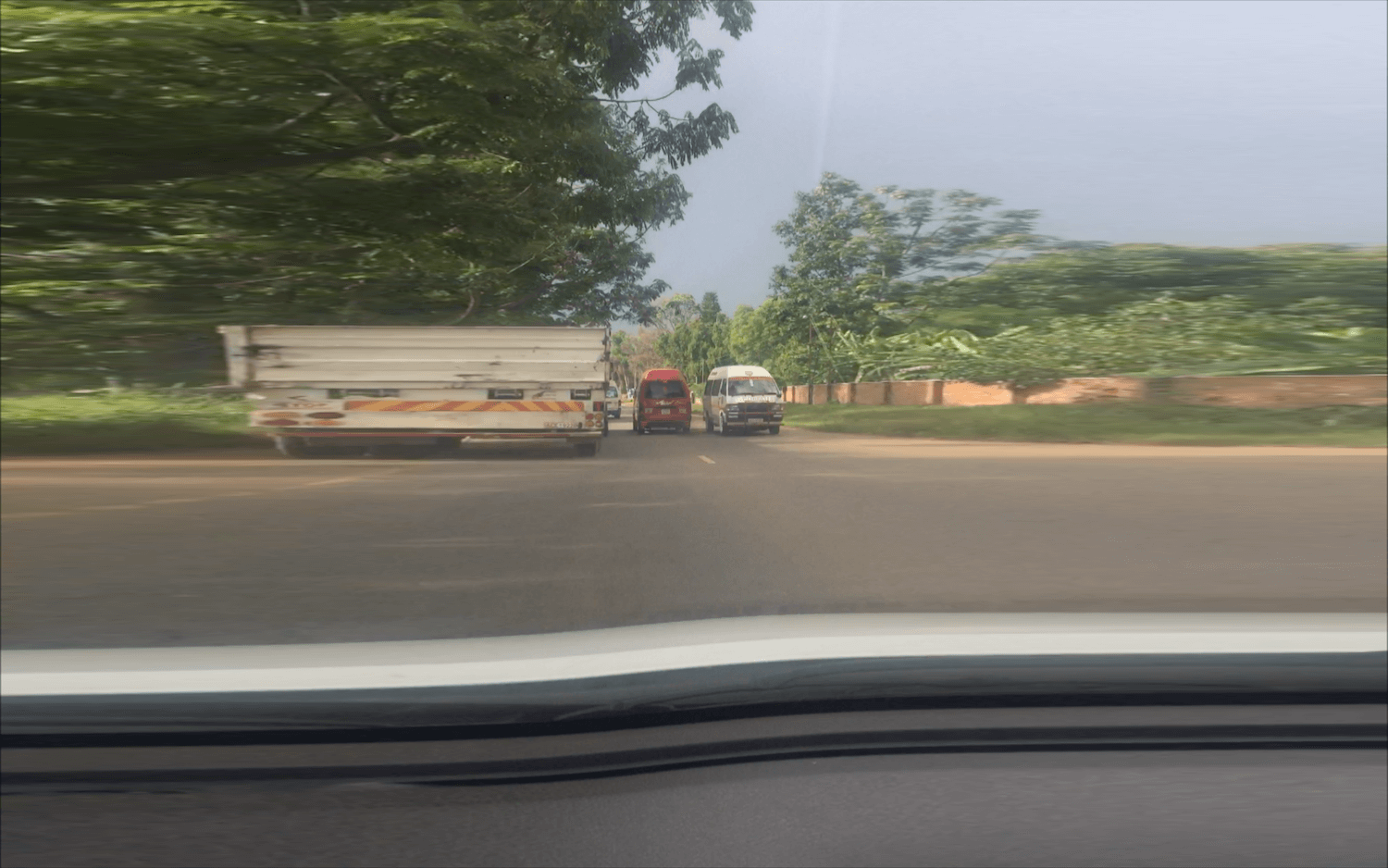
    With the cops off the road, it’s been a welcome relief from the fines, harassment and often the daylight robbery. But now that they are gone the roads have become lawless, the number of idiotic drivers has seemed to increase along with the number of cars which are not clearly road worthy.

    From my observation not only the kombi drivers are driving like idiots but a lot of privately owned cars are more or less competing with the kombi drivers for the most idiotic driver awards. I think that Zimbabweans are fast becoming very inconsiderate impatient and dangerous drivers and how long will this trend last and will it become the norm in this country.

    If the police do come back what will their mandate be?

    https://www.facebook.com/LivingZimbabwe/videos/2507802082578602/

    This has been a submission by Anonymous.
    You too can become a Citizen Journalist by submitting your story here: Citizen Journalism by Living Zimbabwe
    The views expressed in the article are those of the author and not necessarily Living Zimbabwe.

  • The importance of house or stand price, suburb density and other factors in fulfilling your real estate dream in Zimbabwe

    The importance of house or stand price, suburb density and other factors in fulfilling your real estate dream in Zimbabwe

    A miss is as good as a mile. A situation in which you manage to buy a house or stand for sale somewhere at the backyard of the property market when the initial dream was about one in Harare North’s affluent Borrowdale Brooke will never cover up for the fact that you failed to achieve what your heart fondly desired from the word go. The heart is very honest it will never take a consolation as the first prize or a second best as the best. Its therefore, wise to know about what critical factors that can be involved if one has plans for fulfilling long cherished dreams of owning property in a suburb of choice. Remember the tenets of success will never make special adjustments for you. Those who build aeroplanes had to make them round without sharp edges because they had to comply with already existing principles of aero dynamics. You too in like manner must acquaint yourself with important factors about real estate so that you comply and avoid living a life of regrets. Here are some few but important of these factors that are pillars for your quest to achieve your real estate dream .

    Suburb Density

    Suburb density is basically about the average size of stands in a particular suburb. Sizes less than 300sqm are considered to be high density, those between say 400sqm and around 700sqm are considered as medium and all sizes beyond 700sqm are low density. Its important to know about suburb density because there are some aspects of real estate in Zimbabwe that are density or area specific. A good example of these are title deeds and price per square meter. About title deeds you should know that the greater percentage of properties in low densities have title deeds as compared to high densities and I believe that the major reason why this is so is the issue of past policies of segregation that where calculated to ensure that those who stayed in high densities would never access economic empowerment available through the avenue of collateral security. In terms of prices you should know that low densities are cheaper in terms of price per square meter as compared to high densities simply because purchasing in low densities is more like wholesale buying whilst in high densities it is retail.

    House or Stand Price

    Guess what, the reason why knowing house prices is important, is something very simple yet the price issue can be a very complicated affair for many a property investor. You should know prices because you need to have a correct budget. But many aspiring investors are unaware of the fact that property prices are greatly influenced by the immediate location such that you can never determine a price for your budget by comparing a house in suburb A with a similar one in suburb B. You cannot compare an apple to a banana. Unfortunately, many using this flawed method end up with wrong perceptions of price and of course to the detriment of their budgets. If you want a house in Borrowdale your unmistakable price guide are the prices of similar houses that where recently sold in Borrowdale. Never compare Borrowdale with Mnt Pleasant, Borrowdale is Borrowdale and Mnt Pleasant is Mnt Pleasant.

    Supply and Demand

    Supply and demand is an economic principle well known by many yet many still need to be educated about it but with a special focus on its impact of the Zimbabwean property market. After economic challenges of the past fifteen years there are certain residential stand types that are now out of stock so buyers have to make do with what is there. Good examples are 1000sqm stands like those in Westgate Adylin in Harare West and vacant 300sqm stands within established high density suburbs like Glen View. Besides the economic subsidence another reason why some of these stands are out of stock are local government by-laws that prohibits the sell of undeveloped stands in municipality projects. So subsequently, these supply side shortages may cause the prices of the best alternatives to sour despite the expectation that they should drop because of liquidity challenges in the economy. The take home lesson for investors in light of these things is that the reality on the ground is dictating that they should accept new stands at the periphery of the capital city as long as they are serviced to an acceptable level and have legitimate papers .

    With the rise of the so called “land barons” who are property fraudsters an inability to verify the legitimacy of papers is blocking many property investors from achieving the long cherished real estate dream. The issue of buying property in special cases like deceased estates and when a seller is ill is also another aspect a serious property investor should be thoroughly aware of. Indeed these are very important topics however, one cannot cover everything in a single article the reader is therefore, at liberty to visit my blog propertymattersnews.blogspot.com for a more comprehensive experience involving a diversity of topics that are covered by over sixty articles.

    DISCLAIMER : THIS ARTICLE DOES NOT REPLACE THE ADVICE ONE SHOULD GET FROM HIS OR HER PROPERTY ADVISERS.

    This has been a submission by Cain Ndhlovu.
    You can connect with Cain Ndhlovu via the following: https://propertymattersnews.blogspot.com, https://twitter.com/cainndhlovu, https://www.facebook.com/propertymattersnews/.
    You too can become a Citizen Journalist by submitting your story here: Citizen Journalism by Living Zimbabwe
    The views expressed in the article are those of the author and not necessarily Living Zimbabwe.

  • Critical know-how before buying immovable property in Zimbabwe

    Critical know-how before buying immovable property in Zimbabwe

    When you want to buy immovable property its important to know what to do and where to start. A lack of this know-how has led many people’s hard earned cash into the evil hands of fraudsters . Others have invested into motor vehicles using funds set aside for property investments because the know-how about buying a car is more readily available than that about real estate. But unfortunately a car is more of a consumable than an asset! It begin losing value the moment it leaves the garage. So I hope this article will be worth while.

    Before you do anything its critical for you to know that only two people are allowed by the law to SALE immovable property legally and these are the property owner and a registered estate agent. Any situation in which property is being sold but the seller is not the owner or a registered estate agent must be thoroughly investigated and council must be sort from experts. Though there are many media a buyer can use to reach an owner or a registered estate agent what is fundamental is however this question “ Is this the owner or a registered estate agent?”. So because of this people should be wary of many housing cooperatives mushrooming everywhere and selling land simply because they do not own it.

    After accessing a person claiming to be the property owner or estate agent you must first and foremost determine the legitimacy of their claim. If one is an owner of immovable property and they want to prove this they furnish either a title deed or an agreement of sale. An agreement of sale is what people usually call cession in reference to the name transfer process that is called cession. The name transfer process for title deeds is called conveyancing. You should thoroughly scrutinize these documents in order to prove to yourself that they are what the owner is claiming because you can be shown say a lease which means that person is merely a lodger. If there are title deeds you must be shown a national ID card and the original title deed copy and the personal details of the one referred to as the transferee on the deed should be equivalent to those on the ID shown. From there you go to the deeds office where you request for the twin copy or government copy of the title shown to you by the seller. And again the government copy’s details should be the exact duplicate of the seller’s copy!

    If there is an agreement of sale you go either to a municipality’s housing division or to a private property developer’s office. An agreement is made between two parties namely the seller and the buyer and in this case the municipality or developer is the seller because it would have sold property to the person who is now selling to you. And here also the seller must have his or her ID and the original agreement of sale and you MUST go there together because if you are only yourself the developer or municipality will never entertain you for confidentiality reasons. At these offices the relevant officials will do the authentication part for you and tell you all you want to know with respect to the property being sold. But when dealing with developers it doesn’t end here because you should further ask for a parent title deed and a special document known as a subdivision permit. These last documents’ authenticity should be verified with the deeds office and the physical planning department of a municipality respectively.

    Estate agents are the only professionals licensed by the Estate Agents Council of Zimbabwe under the Estate Agents Act to sale immovable property on behalf of other people. So in order to find out if a person is a registered estate agent you just go to the Estate Agents Council’s offices in Harare. It takes three years worth of real estate experience for one to earn a license. One advantage of dealing with estate agents is that their Act and regulating authority require them to first do the aforementioned ownership authentication process before advising any person to purchase a property. This is the reason why I know all this. Nevertheless, it does’nt hurt if you go an extra mile and do the authenticating yourself.

    DISCLAIMER: THIS ARTICLE DOES NOT IN ANYWAY REPLACE THE ADVICE YOU SHOULD GET FROM YOUR REAL ESTATE ADVISERS.

    This has been a submission by Cain Ndhlovu.
    Cain writes about immovable property and has been doing so for the past 5 years.
    You can connect with Cain Ndhlovu via the following: https://propertymattersnews.blogspot.com, https://twitter.com/cainndhlovu, https://www.facebook.com/propertymattersnews/.
    You too can become a Citizen Journalist by submitting your story here: Citizen Journalism by Living Zimbabwe
    The views expressed in the article are those of the author and not necessarily Living Zimbabwe.

  • Financial consequences of purchasing property from a seriously ill seller in Zimbabwe & other purchases to avoid

    Financial consequences of purchasing property from a seriously ill seller in Zimbabwe & other purchases to avoid

    Questionable contractual capacity of a seriously-ill seller

    In Zimbabwe purchasing property being sold by a seriously-ill seller can be dangerous so it must be approached with great caution. If the seller heals, armed with medical records he can rise from the death bed with a backlash and claim that when he sold, he did so with a state of mind that was not suitable for such a critical undertaking. This argument holds water and justice will demand that it should be taken seriously but for the purchaser it means another extra cost because of unexpected legal expenses.

    Bad debt

    Using a loan to purchase a property can later be regretted. When considering a mortgage its important to bear in mind the essence of this which is that the purchase should be able to service its loan obligations through rental proceeds from tenants. This allows the mortgagee to ease pressure on his or her income thereby enabling it to satisfy other financial demands like bills and tuition fees. But if a mortgagee moves into the new premises as owner-occupier this will in-turn put pressure on their income and tie them to their jobs. Such a situation will later haunt the purchaser as he will be unable to move on to other opportunities or go after other pursuits that need funding because job security will take priority ahead of anything else.

    Hidden defects

    Signing agreements of sale without first conducting a thorough inspection of the intended purchase can have adverse financial consequences tomorrow when you discover defects that where hidden from you. Serious defects that cost much are those that compromise the structural integrity of the property meaning to say depending with their state they can qualify the property as a demolition candidate. You will be forced to incur unexpected costs as you go through extensive renovations. The most unfortunate thing however, will be that your situation would lack legal merit in order to claim compensation since the signed agreement would carry a so called voetstoots clause that says,” The property is sold voetstoots (as it is) and the seller shall not be liable for any defects patent, latent or otherwise in the property nor for any damage occasioned to or suffered by reason of such defect.”

    Image from goafricahealth.com

    This has been a submission by Cain Ndhlovu.
    Has been blogging about property on Property Matters News for 5 years.
    You can connect with Cain Ndhlovu via the following: https://propertymattersnews.blogspot.com, https://twitter.com/cainndhlovu, https://www.facebook.com/propertymattersnews/.
    You too can become a Citizen Journalist by submitting your story here: Citizen Journalism by Living Zimbabwe
    The views expressed in the article are those of the author and not necessarily Living Zimbabwe.

  • Zimbabwe’s 2017 house prices a rags to riches story

    Zimbabwe’s 2017 house prices a rags to riches story

    The state of the property market is a reflection of the economic path the ambitious Zimbabwean take from being a peasant to a wealthy person. An analysis shows that we all belong to four market segments namely the high, medium, transitional low and affluent low densities. The high density ( house prices $20 000.00 [core house] – $50 000.00 e.g Warren Park, Highfield ) is home to low-income earners most of whom informal sector sole traders and vendors earning below the poverty datum line of $400.00. The medium density (house prices $55 000.00 – $100 000.00 e.g Mainway Meadows, Southerton ) is home to the middle class usually junior managers and small size business owners employing few people. Transitional low density (house prices $100 000.00 – $230 000.00 e.g Good Hope, Mandara, Prospect) is where individuals can transition from the medium density to the affluent low density. In the transitional low density, you are likely to come across newly promoted directors of larger enterprises and medium size business owners who would have managed to grow their enterprises from a smaller size operation. The last but not least is the affluent low density namely the Umwinsidale, Borrowdale and Glen Lorne of our days. Here you find the elite, the movers and shakers in politics, industry and commerce. The cheapest house here is around $240 000.00 whilst the most expensive can be almost a million dollars!

    Many of my clients who have transitioned from the high densities to the lower densities over the years found it best to take it one step at a time. This means that they moved from the high to the medium and then from the medium to the lower densities instead of jumping from the high densities and going straight to the affluent low densities. So one can ask “If I manage to get a lump sum of $240 000.00 why can’t I just go straight to the affluent low densities and buy a house in Borrowdale? ” Well with property its not only about the asking price which is the money required by the seller but it’s also about extra costs that come over and above the asking price. Extra costs are in two forms; there are those directly associated with the purchase of the property like name transfer fees and there are those more like running expenses that are incurred as you use the property like municipality rates. After acquiring the lump sum one should first remember that the stomach will always demand that you eat and the kids will need to go to school. Therefore, there should always be a good monthly income that is able to meet the basic needs of life together with the higher costs of being a resident in the affluent parts of the country. Let’s take a look at the extra costs.

    Name transfer costs

    In my nine-year real estate career I have observed that many aspiring property owners do not know that over and above the asking price on the property advert, there are additional name transfer costs that are determined as a percentage of the purchase price. This percentage can be approximately 7% which means over and above the cheapest price of $240 000.00 one will pay $16 800.00 in order to have the property’s ownership legally transferred to his or her name. This will bring the total of the money coming out of your pocket to $258 000.00 excluding bond registration and valuation fees if you are using a mortgage. A good monthly income can help you out so that your dream is not abandoned by facilitating payment terms with the legal practitioners responsible for the transfer.

    Municipality rates

    The municipality provides services like refuse collection, sewer and fresh water supply etc which must be paid for by residents irrespective of whether or not these services have been satisfactorily provided by the former. In affluent areas, municipality rates are the highest because the valuation method used to determine them is based on the reasoning that there is a correlation between rates and capital value of the property. Since property values in affluent areas are high the rates there are also high in line with the value of the area.

    This article was written by Cain Ndhlovu of https://propertymattersnews.blogspot.com. Visit this site to know more about property.

    This has been a submission by Cain Ndhlovu.
    My passion is writing about property.
    You can connect with Cain Ndhlovu via the following: https://propertymattersnews.blogspot.com, https://twitter.com/cainndhlovu, https://www.facebook.com/propertymattersnews/.
    You too can become a Citizen Journalist by submitting your story here: Citizen Journalism by Living Zimbabwe
    The views expressed in the article are those of the author and not necessarily Living Zimbabwe.

  • Zimbabwe Dangerous Transport Networks

    Zimbabwe Dangerous Transport Networks

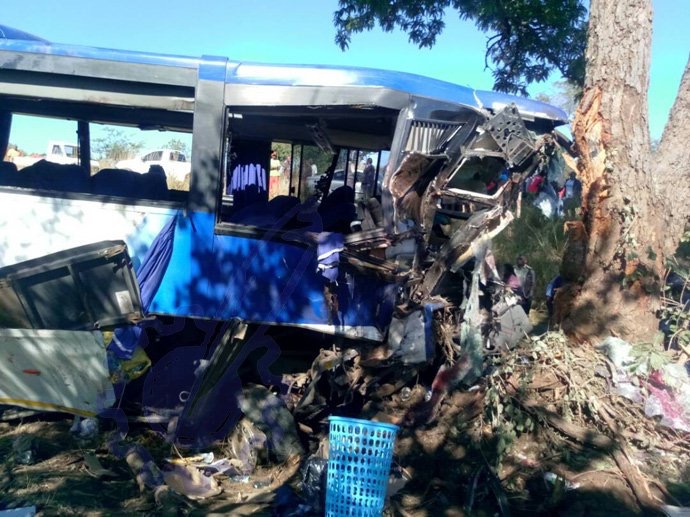
    The recent horror accident that has been reported to have claimed 45 lives of our brothers and sisters happened about 30km before Makuti along Harare and Chirundu highway is another sad chapter in our history. Police spokeswoman Charity Charamba said onThursday said that the bus crashed on Wednesday night about 96 miles north of the Zimbabwean capital, Harare. Charamba says the bus driver failed to negotiate a curve, though a formal investigation of the crash is underway.

    The accident is reported to have happened when the driver of King- Lion bus is alleged to have lost control and rammed into a tree resulting in this horrific accident. It is also reported that 24 passenger have been injured and they have been taken to Chinhoyi Hospital and arrangements to ferry the deceased to the same hospital were ongoing. I’m a saddened by this horror in our roads again, my heart goes to all the families affected by the accident.

    I duly challenge the government of Zimbabwe to put a lot more effort in making our roads safer and they should work on policies that change how we test Vehicles and Drivers of cross border vehicles and or passenger carrier. Many lives are being lost each year on the Zimbabweans roads and if this is not an alarm to the government I don’t know what is.

    Furthermore police officers are setting up too many roadblocks some are illegal money making scheme and this action is also another reason why drivers speed up to beat their roadblocks, putting lives at risk. The other issue is employee targets which results in high speed driving to beat targets to and from the route.

    21st Century we should be moving to digital world and retrain police officer. We must install traffic cameras and build many Service Areas and regulate breaking times. Installing speed cameras and good lighting will work as a deterrent to those who drive recklessly and ignore the rules. On the other hand any bus or coach should not be allowed to exceed a certain speed for example in the UK buses and coaches cannot exceed 70mph / 113kmh. Heavy fines should be issued to those who are found in breach of the Traffic Act.

    Traffic cops should be able to be equipped with cameras ( body cam) and dash cams, this action will help curb corruption in our roads. Bribes are becoming cancerous and it’s affecting the way both the police and drivers should be behaving, police officers should serve and protect the society and in turn as drivers we must refrain from paying our way out of trouble, let us change our ways and observe the Road Traffic Act.

    ZRP must reduce the number of police officers loitering around in our roads doing nothing more-so those receiving bribes and underperforming or endangering road users must be prosecuted or should face dismissal. Home Affairs Deputy Minister Cde Mguni said 357 police officers were suspended last year on allegations of corruption.“The disciplining mechanism which is there in the police has actually seen the suspension of more than 357 police officers last year who had been doing other things that are outside their working scope,” he said.

    Worryingly I’m reading that many drivers are not qualified to be behind the wheel, many drive under the influence or on a regular basis drive for longer hours with no rest, which also is in breach of the Road Traffic Act. Surely more needs to be done by companies that employ these drivers but most importantly the police force should restore faith in the road users. It is also our duty as individuals to observe the law and make sure that we save lives by allowing ample time to rest and travel it is also important for driver to refrain from engaging in activities that endangers passengers and others.

    Our transport network needs to be at the CORE of our discussion in a bid to save lives. We cannot just carry out investigations on this particular accident as pointed out by Mrs Charamba, but also go back to the root causes as to why we are witnessing many accidents on our roads.

    One thing for sure someone is at fault here. It’s either the buses are not roadworthy and if that’s true, how did the traffic cops miss this? Is someone paying their way out of proper checks and investigations. If the bus/coach was not fit, it should not be ferrying people about, or are the drivers doing something wrong which is endangering lives.

    I am however wondering what made the bus driver to misjudge the curve; was it because he was speeding ? If true, this will be classified as a human error, reckless and dangerous driving which carries an indictment charge or was it just the poor unsafe dangerous nature of our Zimbabwean roads.

    Some comments on social media are calling for a number of actions to be taken, this includes 1. Coaches must have mandatory speed limits. 2. 24hr tracking system by the company which must be compulsory and law 3. Mandatory insurance for passengers 4. Time travel limits “tiredness can kill.”

    I hope proper investigations will be carried out properly and a full report will be made public as to the real causes of the accident and the measures which are going to be put in place to avoid such a huge loss again on our roads. Someone is to blame here , the company, the driver or our government.

    This is a national tragedy I expect families of those affected to at least have compensation after a full enquiry or investigation but knowing Zimbabwe someone would want to cover it up and brush it under the carpet because we lack Institutions that advocate for such.

    Our roads are becoming dangerous to us the road users everyday, the funny part is many of us are paying road taxes but we see no real improvements on our roads, but utter decay.

    I believe our government should also have made huge strides with other means and mode of transport such as rail network but our only national rail NRZ is suffering and a recent report suggested that some of the carriages are now being used as brothels.

    This is why I disagree with many people who boast about Zimbabwe being full of educated people, educated how? What improvement has the government done to our rail network? Why can’t we have rail links between inner cities and town? Oh wait this cannot be possible because we lack visionaries. Just look at what other countries such as Kenya and Ethiopia did recently with their rail network, it just goes to show that these things are possible if you have the right people in right places.

    No one can convince me in 2017 that no one wants to travel safely and quicker. If our rail network is in full swing guess what we create “JOBS” yes jobs because for the running of the service the rail network will need Human Resources to make sure the free flowing of the transport system, and maybe we could have been thinking that at least the 2.2million jobs creation is no myth but as it stands only two jobs have been created. Of course I have said it, Bona and Simba Chikore the first family royalty are now the only 2 to get the jobs under the “Command No Jobs”.

    I do not want to dwell on Simba Chikore and his Air Zimbabwe dubbed Air Simbabwe because today I wanted to focus on rail and road, but we all know that Air Simbabwe is now suffering failing to pay its employees, to being banned flying into Europe.

    We have to revive our rail network because we are putting a huge burden on these poor constructed roads, if we had good railway links many of these accidents would have been avoided and passengers would have more choice as to which mode of transport they needed to use. Moreover trains are greener than many of the automobiles we use in our country. We deserve better in Zimbabwe.

    I am convinced that the statistics on the road causalities are appalling, if we have such a database that record road casualties yearly. If we do then what is the government doing to fix the problem? I am not saying that on beautiful roads vehicles don’t have accidents but my concern is around the lack of progress since 1980 to build sustainable transport networks. What is the government doing about the death toll on the roads?

    As someone from the Opposition our goals are set in making sure that we change the way people move from place to place without fear of death or serious harm to self and others. We need to show this “Ruining Party” Zanu PF and it’s cronies that we can build a better Zimbabwe. I also pray that I want Mr Mugabe to live longer to see these changes, I would be happy for him to board a train from Harare going to his rural KwaZvimba in a new Zimbabwe, safely and efficiently.

    How is this all possible? It can be achieved by making sure that we build safer roads and revive our rail network. We can achieve this by proper research and investing in good quality service from experts in the two areas in question. We also have to make sure that not only are the roads user friendly and safe but the vehicles on our roads are roadworthy too. In urban built up areas or CBD we must put up congestion and emission charges and promote the use of bicycles within the CBD itself, this will generate a lot of revenue that can be channelled to good use.

    Revenue received from vehicle taxes and charges from congestion and emissions will be ploughed back into road maintenance, this include, road markings, lighting , refugee areas, dualisation, camera installation ( speed and or traffic control). These are some of the items missing in our roads today and we are in 2017. Any government that doesn’t put its people first especially in matters such as safety on the roads is not of the people as it clearly is showing in Zimbabwe, were commissioning of a single traffic light in Chivhu makes headline news. Cry my beloved country.

    Why does our government not just look in the mirror and hold their hands up to say we have failed let others try and rebuild the country. I think there’s no shame in that line of thinking, but it is hard to imagine a Mugabe saying that I give up because his cronies won’t allow him to even contemplate stepping aside.

    My last words to you on this matter is just an encouragement, please do not allow this to continue happening let us challenge these people who are ruining our future. Let us help rebuild our country but it’s only possible after Zanu PF is gone as they are not willing to change. With Zanu PF in charge we are moving 20 years backwards, while others are thriving.

    Imagine a country that fails to build 3 way Motorway/ Highway/Freeway but continues to allow millions of cars good and bad to roam our streets! Let me leave this here I will come back to it on another day.

    Our country needs us next year let’s vote Zanu PF out and bring change in Zimbabwe.

    May the deceased rest in Peace. I also wish a speedy recovery to those injured. I would also like to extend my gratitude to those who helped the casualtie, God bless you all and your families.

    Written by Gilbert Navonika

    This has been a submission by Gilbert Navonika.
    Gilbert is a Law graduate and a politician, who is also a human rights activists based in the UK. He is very active in Zimbabwean politics, his passion is to inspire social change by demonstration.
    You too can become a Citizen Journalist by submitting your story here: Citizen Journalism by Living Zimbabwe
    The views expressed in the article are those of the author and not necessarily Living Zimbabwe.

  • Traffic cops clash with kombi drivers

    Traffic cops clash with kombi drivers

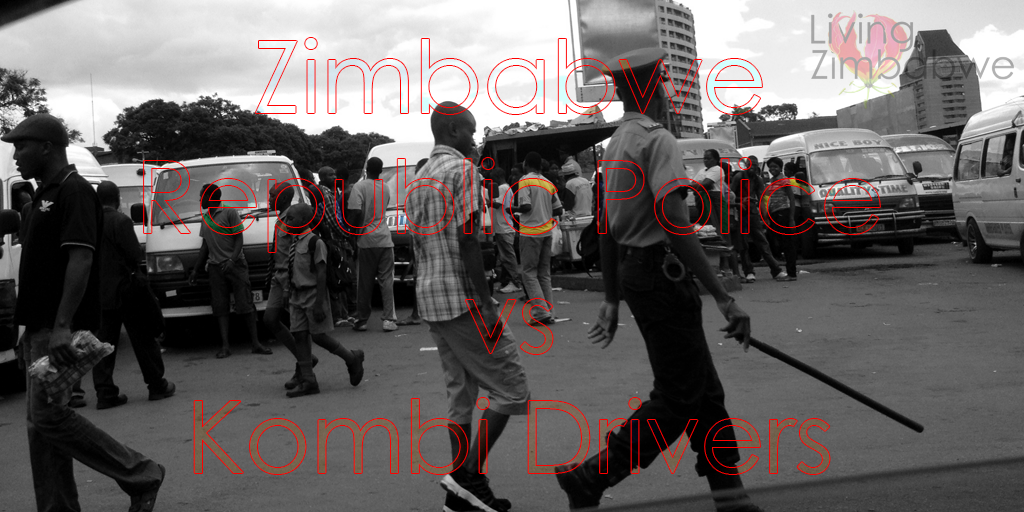
    The “Ngongonos” or Knockers have resurfaced again on the streets of Harare. These truncheon wielding traffic control officers who have earned the moniker “ Mangongongo” from touts and drivers manning the illegal undesignated bus stops strewn all over the city center commonly referred to as “Mshika,shika” are bearing down hard on errant kombi drivers and touts.

    According to one Emmanuel, a Kombi driver who plies the Quendon, Westgate route in and out of town and uses the undesignated bus stop at the corner of Mbuya Nehanda and Jason Moyo, “These traffic officers are not only smashing windscreens, but have graduated to smashing tail lights and head lights also, as well as the driver and touts who happen to be in the range of their Billy clubs”.

    Civilians are in constant fear of their lives as these illegal Kombi drivers will perform daring stunts in order to evade capture by the baton-wielding officers of the law, who will impound vehicles caught on the wrong side of the law or in some cases, according to Emmanuel, “they will demand a hefty bribe of about $50, which you either pay or risk getting your vehicle impounded, so running away is the better option as money is hard to come by these days”.

    Lincoln a student at the Harare Polytechnic who boards Kombis at the “Mshika, shika” said “they had now learned that one does not tarry at the door when boarding a kombi as one can be injured or get run over as kombi drivers try to evade capture”, it is unfortunate that most commuters are not as nimble or agile and so they are in constant danger.

    The City council is also in pursuit of errant drivers and will impound vehicles as well and they have been alleged to also collect their own bribes, so touts have to be extra vigilant and keep watch for any council police who maybe on the prowl. Last year a four-year-old boy lost his life, after being knocked down by a driver trying to evade capture at Park Street and Union “Mshika, shika”.

    Despite the dangers posed by these undesignated bus termini, one wonders why they are thriving so much and seem to be a permanent eyesore in the city center. According to one commuter who uses these bus stops, “We have no choice because at the designated bus stops we are charged double the normal fare during peak hours, and during non-peak hours the kombis take hours to load as they are fewer boarders so one is forced to spend a lot of time waiting for the bus to fill up as they only go when the bus is full”.

    Kombi drivers exploit these illegal bus stops because according to one undercover traffic officer who declined to be named, most Kombi drivers use the Mshika, shika because their vehicles are not properly registered or have been condemned at the Vehicle Inspection Department and deemed un road worthy so it is a way for them to make quick money as they can operate their vehicles from these illegal points as they are not allowed to operate from designated bus terminus.

    This has been a submission by Kevin Ngwazane.
    You too can become a Citizen Journalist by submitting your story here: Citizen Journalism by Living Zimbabwe
    The views expressed in the article are those of the author and not necessarily Living Zimbabwe.

  • Ina de system by Rassie Ai

    Ina de system by Rassie Ai

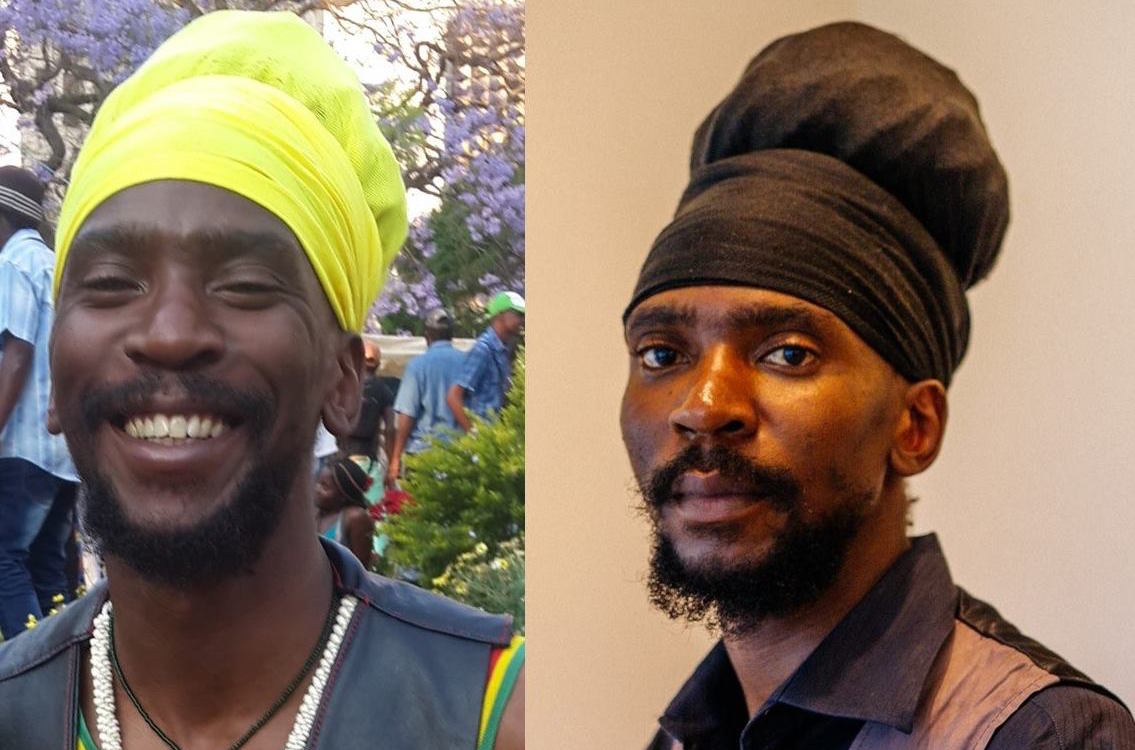
    Ina de system scrupulously examines the experiences of a Zimbabwean migrant worker in the diaspora, his/her experiences on a social and community level as well the hardships faced due to perceptions of the host communities.

    Ina de system – Lyrics

    “Check it well this is Rassie Ai, I’m speaking to all the foreign guy,

    all migrant worker and all illegal guy. Lord!

    Ina de system, system, I won’t be a victim no way,

    Another system victim, the system a hackle me whoa

    The system a hackle me hey

    The system a hackle me whoa hey

    Mi lord de system a treachery, everyday you see it pon de new a bare tragedy

    Tek wey your vehicle home and money, nah smile at all because it doh funny

    No money, no visa, no work permit, a who you a guy turn to Lord?

    No friend, no bredren, no close family, only Jah you can turn to.

    Ina de system, system, I won’t be a victim no way,

    Another system victim, the system a hackle me whoa

    The system a hackle me hey

    The system a hackle me Lord God whoa

    Can’t buy a ticket fi a bus, and certain boy a road mi can’t trust

    Just choo dem check fi wah, mi status, fi mi immigration so mi get nervous

    One bag a question dem a ask us, “who you are, where you from, now get ina de bus”

    Have wi dung a detention dawn til dusk, worse than prisoner dem a treat us

    Who you a guy turn to ina your darkest Iyawa whoa Lord?

    Who a guy talk to, you better call on Jah Jah Lord God whoa

    Ina de system, system, I won’t be a victim no way,

    Another system victim, the system a hackle me whoa

    The system a hackle me Lord,

    The system a hackle me whoa see it ya

    Mi lord de system a treachery, everyday you see it pon de new a bare tragedy

    Tek wey your vehicle home and money, nah smile at all because it don’t funny

    No money, no visa, no work permit, a who you a guh turn to Lord?

    No friend, no bredren, no close family, only Jah you can turn to.

    The system a hackle me, pin down and shackle me Lord God whoa

    Choke and throttle me, a war and a battle me lord whoa

    I’m angry with hypocritical system lord God whoa

    Ina de system, system, I won’t be a victim no way,

    Another victim of the system, the system a hackle me whoa

    The system a hackle me hey,

    The system a hackle me hey whoa Lord, whoa Lord

    No money no visa no work permit

    And certain boy a road mi can’t trust”

    This has been a submission by Takura Donald Makoni aka Rassie Ai.
    You can connect with Rassie Ai via the following: https://twitter.com/DonaldMakoni, https://www.facebook.com/galleriakwamurongoarts.
    You too can become a Citizen Journalist by submitting your story here: Citizen Journalism by Living Zimbabwe
    The views expressed in the article are those of the author and not necessarily Living Zimbabwe.