Category: Travel & Tourism

  • Travel essentials to pack when visiting Zimbabwe

    Travel essentials to pack when visiting Zimbabwe

    Any sort of travel be it across town, from town to town, from country to country requires planning on how you are going to get from A to B. Whether travelling by road, air or over water for that matter, knowing details such as where, when, how, for how long, where to stay and so on and so forth work towards making the journey easier. All destinations are unique and in a way come with their own set of rules for visitors to follow and travel essentials to pack to make a visit more pleasurable.

    Zimbabwe is facing a raft of challenges which include but aren’t limited to problems with the supply of power, water, money and commodities. All of these put together sees the country operating on a day to day basis in its own unique way.

    Zimbabwe is open and welcoming to visitors and has plenty to offer its tourists. But, Zimbabwe’s daily challenges need to be kept in mind when planning a trip to the country. A slightly different set of travel essentials than when travelling to England, for example, would come in handy to make the trip easier. For example, you spend the day out and about using your phone to communicate, take photos, entertain yourself and the battery runs out. You then think to yourself that you’ll just wait until you get back to your accommodation but when you get there, there is no power. And then, you start thinking about the power bank that you have at home that you wish you had packed!

    Being prepared and having the right bits and pieces with you can make a trip easier. A checklist is a good way to start preparing for a trip. On it, you can list down everything that you think you will need to do or get for a trip. It will also help you stay organised, in that you can tick items off as you complete them. This also gives you peace of mind as you get closer to departure date and tick more items off the list that all bases are covered.

    Zimbabwe travel essentials packing list

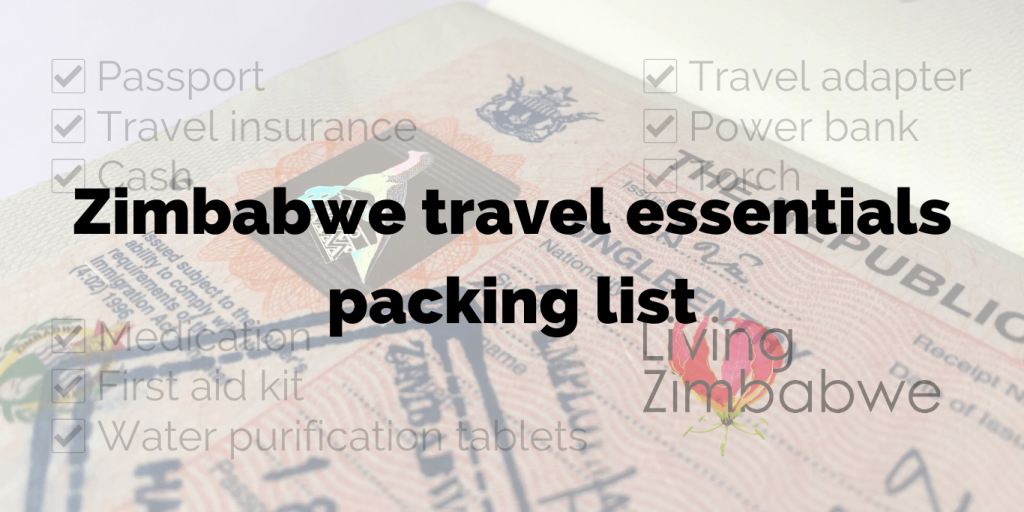
    Below is a list to serve as a guide and it includes some essential items that may make a visit to Zimbabwe a little better. It is split into sections with a few items listed within each.
    Zimbabwe travel essentials packing list

    Disclosure: This post contains affiliate links, which means we may receive a small commission, at no cost to you, if you make a purchase through a link.

    Documents

    • Passport(s) – valid for at least six months from date of entry
    • Visa(s) – to see whether or not you need a visa to visit Zimbabwe, visit eVisa Zimbabwe (if that site doesn’t work, visit  IATA Zimbabwe travel documentation advice)
    • Travel insurance
    • Cash – low denomination US dollar notes are a good idea
    • Credit/debit/travel cards

    Clothing and footwear

    • Clothing – season-appropriate and activity appropriate clothing. Ask yourself what you will need if for example you will be out and about on safari and exploring or you will be mainly confined to a city?
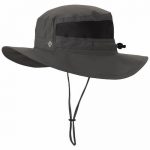
    • Columbia Unisex Bora Bora II Booney HatSun hat – there is plenty of sunshine to be enjoyed in Zimbabwe but too much exposure can cause a range of issues up to and including cancer. If you plan on being out and about a lot, a sun hat is a very good idea. Consider the Columbia Unisex Bora Bora II Booney Hat or –  If a brimmed hat is not your style, could consider an ELLEWIN Unisex Baseball Cap UPF 50
    • Hiking shoes – if you will be out and about exploring what the country has to offer
    • Microfibre towels – ‘conventional’ towels can be bulky and heavy whereas microfibre towels are lightweight, very absorbent and quick drying. They off all that you would expect from a towel without the bulk or weight and are perfect for travelling where you want to keep weight down

    Personal items

    • Toiletries (toothbrush, toothpaste, deodorant, moisturiser, etc.)
    • Vaccinations
    • Prescription medication
    • Sunscreen
    • Sunglasses
    • Insect repellent
    • First aid kit – it is always a good idea to have a decently stocked up first aid kit whenever you travel. You could sustain an injury at any time, and something that you can treat yourself or at least self manage until you get to a medical centre. A  100 Piece Small First Aid Kit for camping, hiking, backpacking and travel should do the trick.

    • Potable Aqua Water Purification Tablets With PA PlusWater purification tablets – tao water in Zimbabwe and many other parts of the world for that matter is questionable. If there are concerns and you don’t want to run the risk of contracting a waterborne disease make sure to pack water purification tablets. Potable Aqua Water Purification Tablets With PA Plus kills bacteria and Giardia lamblia making water suitable to drink in 35 minutes.

    Electronics/Gadgets
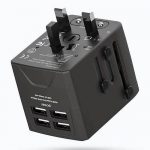
    Other

    • Fuel Siphon Hose Pump TubingFuel jiggler shaker siphon hose – This isn’t something that you would find on a conventional checklist. You could easily find yourself in a situation where you need to fuel up a vehicle and have a jerry can full of fuel but, no way to cleanly transfer it to the tank. With a fuel siphon hose on hand, you simply insert the pump end in the fuel vessel and the other in the fuel tank of the vehicle and shake the hose to get the fuel flowing.

    This is in no way an exhaustive list of items needed when travelling to Zimbabwe. It lists out some items that you may not consider but may be necessary. It is sectioned out into categories of items to pack and the downloadable list has spaces in it for you to list out your must-haves. We hope you find this helpful and that it makes planning your trip to and stay in Zimbabwe easier.

    Is there anything else not on the list that you think should be added it? If so, let us know by leaving a comment below.

    DOWNLOADABLE  TRAVEL ESSENTIALS CHECKLIST COMING SOON

    If buying items from US website but don’t have a way of getting them shipped to you wherever you are in the world, consider MyUS.com. You get a US shipping address that you ship your purchases to and they then forward the items to you for up to 80% off the usual shipping costs. Sign up for a Free membership trial and get 20% off your first shipment and, don’t forget to refer friends and get $10 shipping credit for each person you refer (no limit!).
  • How to get a Zimbabwe visitor visa extension

    How to get a Zimbabwe visitor visa extension

    Citizens from all over the world visit Zimbabwe be it for tourism, business or to visit family and friends. As far as getting into the country goes, some do not require a visa, whilst others are required to obtain a visa to enter the country. Zimbabwe visitor visa requirements depend on the nationality of the traveller and the category their country falls under.

    Zimbabwe’s visitor visa regime is split into 3 categories. Each category has different visa/entry requirements for the nationals within the categories. The specifics of the categories are:

    • Category A – visa not required to have a visa to travel to Zimbabwe
    • Category B – visa issued on arrival in Zimbabwe (fees apply) Category
    • C – visa to be obtained before travel to Zimbabwe

    For a list of the countries within each category, visit https://www.evisa.gov.zw/regime

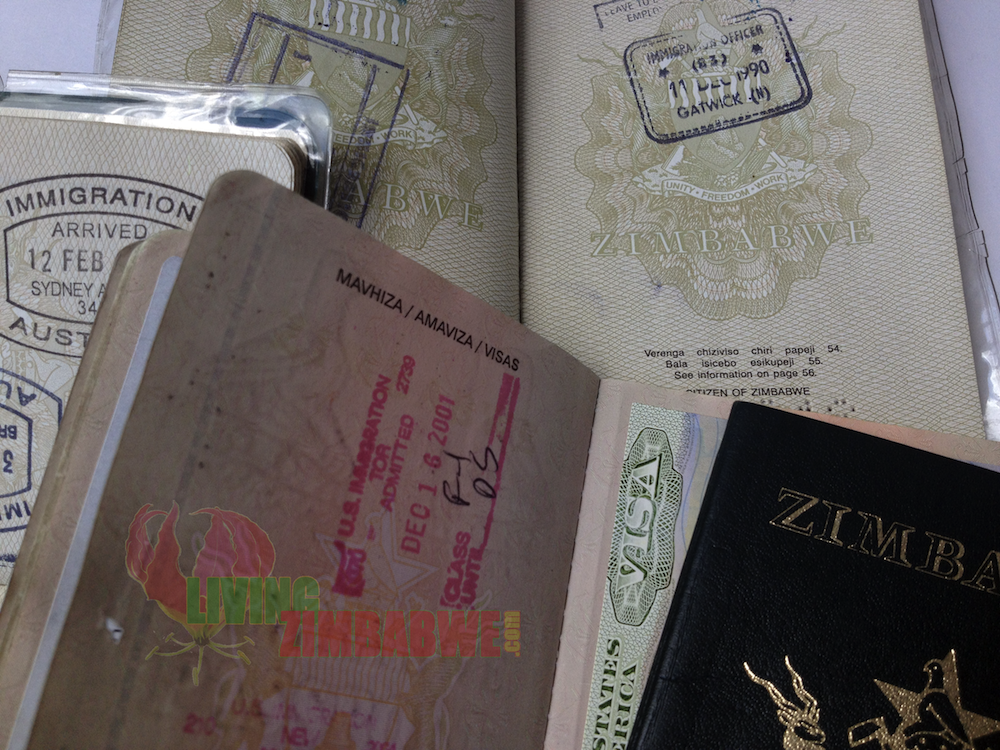
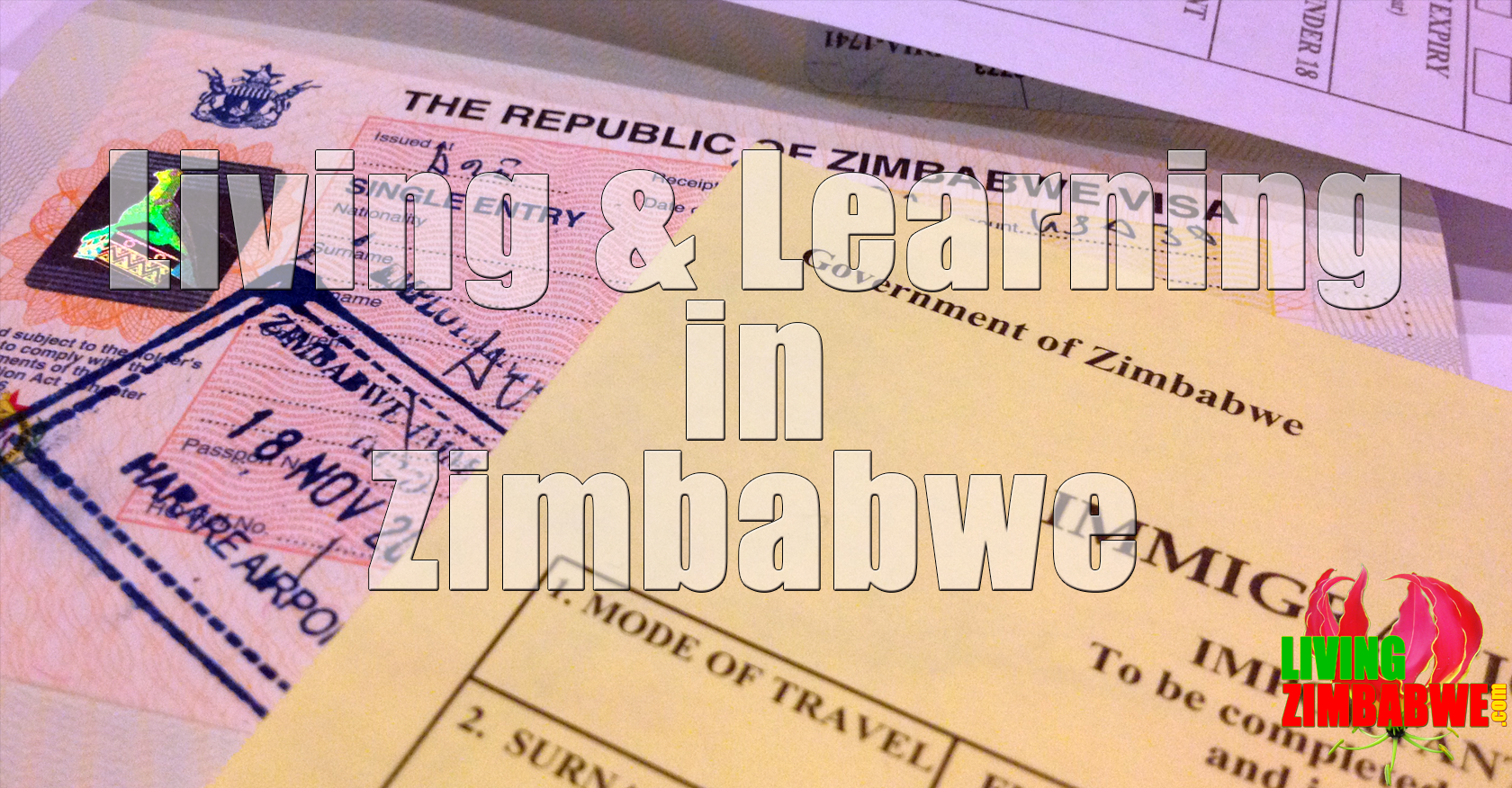
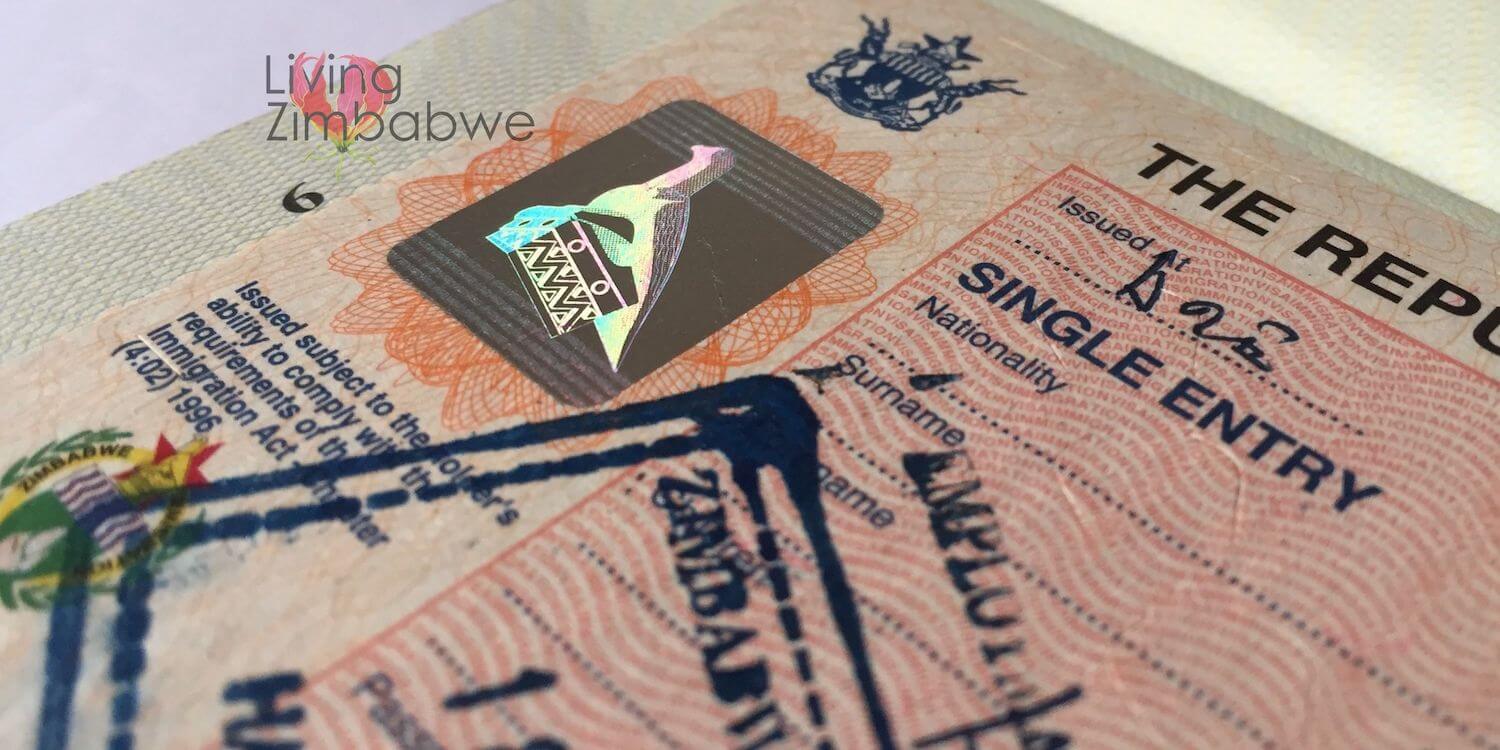
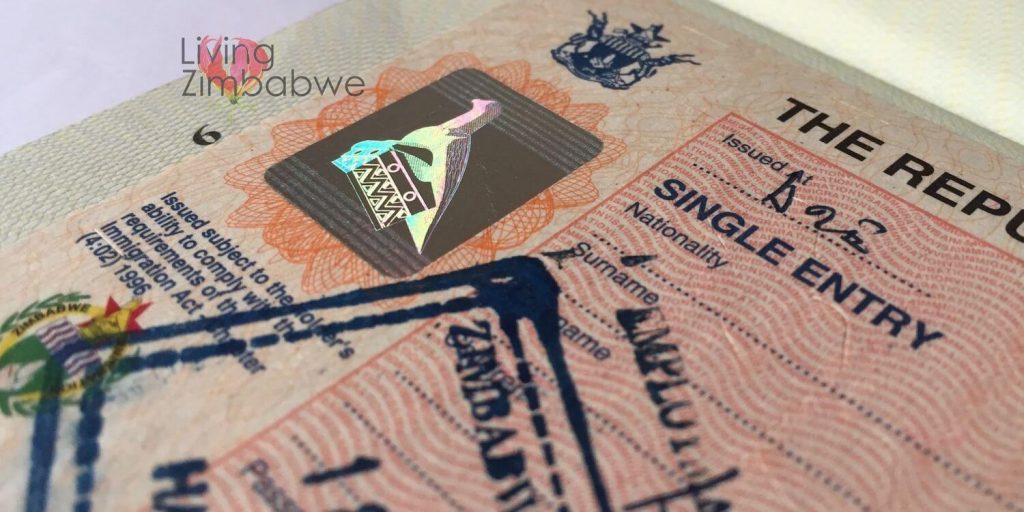
    Zimbabwe visitor visa single entry stamp

    According to visitor statistics, a large percentage of overseas visitors are nationals from countries that fall into Category B. That said, a large proportion of overseas visitors can travel to a port of entry, pay a fee and be granted a visa. The fees will vary depending on the number of entries required and in some instances nationality.

    On occasion, visitors may find themselves in a situation where they need to extend their stay past the expiry of their visa for one reason or another. For example, a Category B (visa on arrival) national granted a single entry visa into Zimbabwe can stay for up to 30 days. If they want to stay beyond the 30 day period and not be in breach of their visa conditions, an extension is required.

    Applying for a visitor visa extension

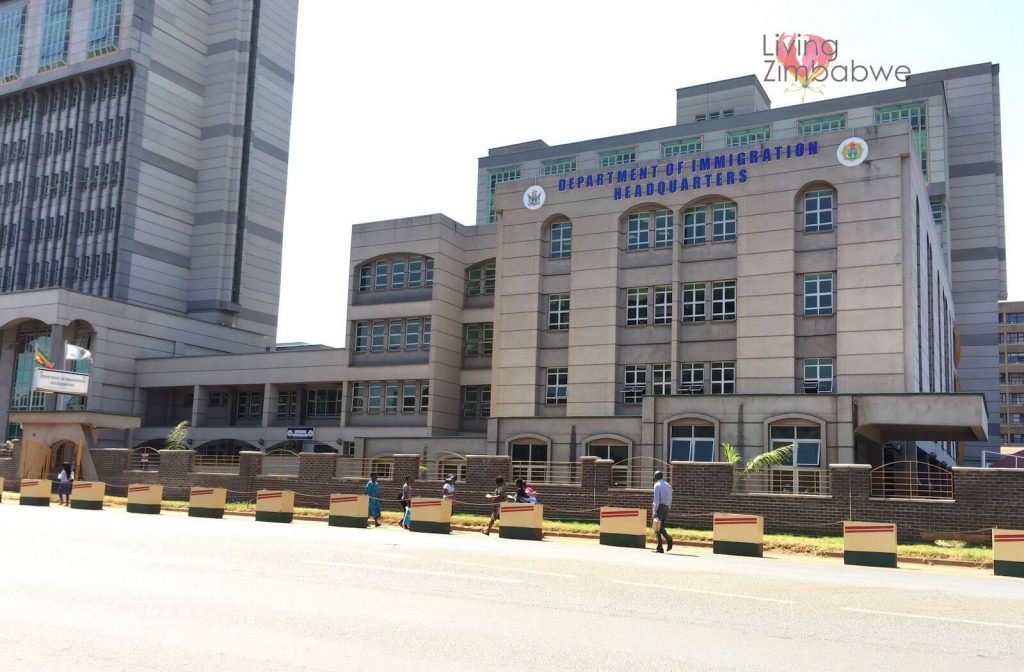
    In the instance of a Category B national, the process of getting a visa extension is relatively simple and straightforward. All that one needs to do is make their way to the Department of Immigration. In Harare, the Headquarters are located on the corner of Herbert Chitepo Avenue and Leopold Takawira Street. For other office locations, visit http://www.zimimmigration.gov.zw/index.php/ghjg).

    Department of Immigration Zimbabwe Headquarters corner Herbert Chitepo Avenue Harare and Leopold Takawira Street

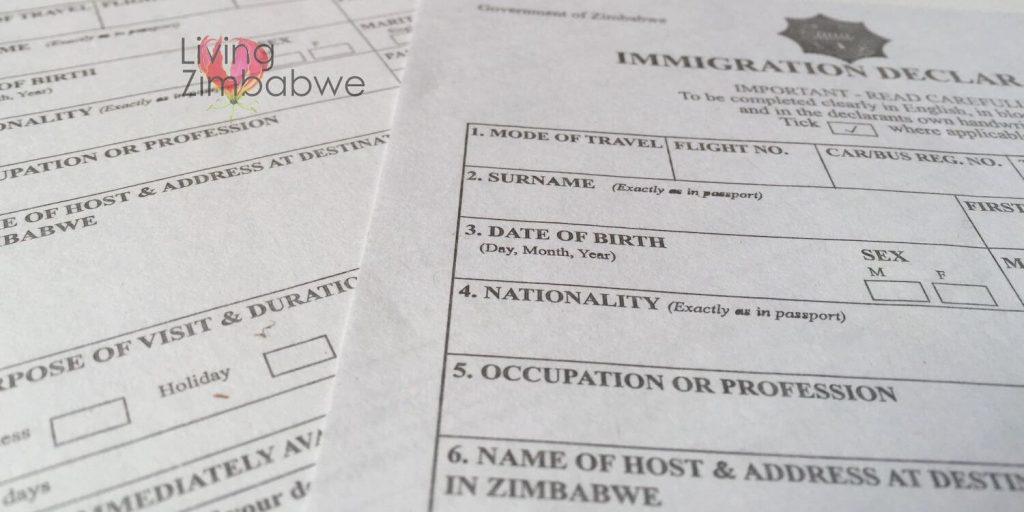
    The first step in the process is to get a Government of Zimbabwe Immigration Declaration Form and complete it accordingly. This is the form that visitors complete on arrival in Zimbabwe. If there is a chance of extending your stay, it may be a good idea to take extra forms on initial arrival.

    The next step is presenting the completed form and travel document to an immigration officer and informing them that you would like to extend your visa. They may ask a couple of questions as to why you would like to extend. All of that said and done, you will be granted with a 30-day extension.

    Government of Zimbabwe Immigration Declaration Form

    No payment is required to extend this type of visitors visa. So, do not be scammed into believing that you need to pay for an extension. Under no circumstances should you get and pay a third party to process the application for you. You can get two free extensions and after that, you will have to pay a fee.

    Note: This information is correct at the time of publishing. Fees, procedures and regime categories can change at any time at the discretion of the Department of Immigration.

  • Where can I find information about my Zimbabwe Passport application?

    Where can I find information about my Zimbabwe Passport application?

    We frequently receive emails from people with enquiries relating to Zimbabwe passport applications. These range from the status of passport applications submitted both at home and at overseas missions and how to apply for passports when faced with certain personal circumstances such as not having all the required documentation and so forth.

    Some of the emails that we have received include the following:

    • am calling to confirm if my passport is ready fr collection. i applied for it on the 4th of July and my receipt number is RG xxxxxxx.
    • pliz help me on this one i need passport but i do not have bith certificate i lost both and id what must i do
    • My passport is still valid and I want to apply for a new one since am left with about five months,the problem is I lost my id and can’t go back to zimbabwe anytime soon. So can I apply without any id using a valid passport in south africa. Pliz help
    • Hi there, would you have any info on how best to renew a Zim passport from the UK? My son is living there, and has been told by the embassy that the renewal of his passport will take 18 months. Thanking you for any leads

    Unfortunately these are queries that we can’t help with and all that we can do is to advise them (to the best of our knowledge) on how they can go about finding the answers to their questions. To that end, we got in touch with the Registrar General`s Office (via email) and asked them the best way in which people can contact them to get their queries answered. They got back to us within two days with their response being the following:

    Dear Sir/Madam

    We kindly acknowledge receipt of your communication.

    Clients may directly contact us on our helpdesk regarding any issues that concerns our department.

    Regards

    Registrar General`s Office

    So, if you have queries related to a Zimbabwe Passport, the RG’s office is the best place to go where there is someone on the other end of the line to receive your message. You can contact them via the following:

    Contact form on their website: http://www.rg.gov.zw/contactus
    Via email: helpdesk @ rg [dot] gov [dot] zw

  • What’s Wrong With Kendall Jones Hunting in Zimbabwe?

    What’s Wrong With Kendall Jones Hunting in Zimbabwe?

    When you think of Africa and it’s wildlife, people dream of one day being able to experience it, many take it further and make it a reality by going on a safari and experiencing the wildlife up close and personal. For some though, Africa’s wildlife has them dreaming about visiting the continent for a hunting trip. Some hunters have made their way to Zimbabwe to indulge in their guilty pleasure and have left with more than they bargained for.

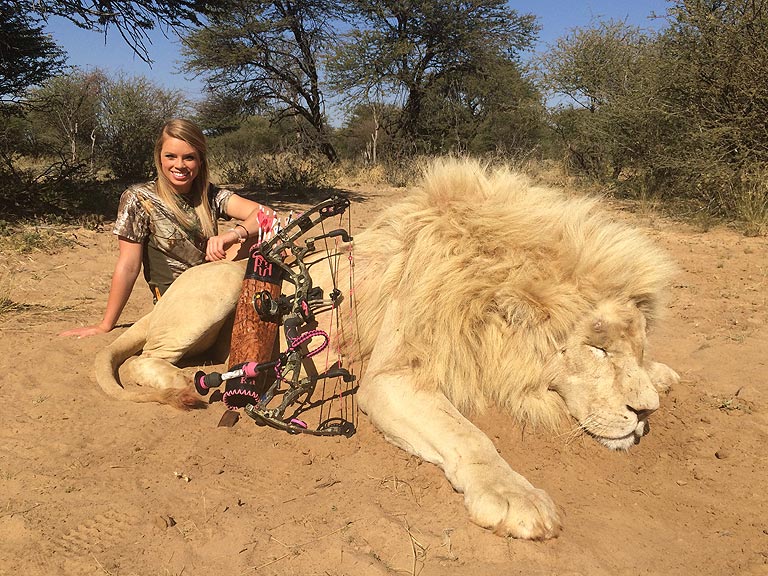
    High profile personalities such as Bob Parsons and Eric and Donald Trump have found themselves in a storm of controversy after their hunts in Zimbabwe. More recently, a teenage Texan hunter, Kendal Jones found herself in a similar storm after posting photos of her hunt on Facebook.

    Kendall-Jones-Lion-Hunt-Zimbabwe

    The photos of the hunt sparked a lot of outcry with social media users, animal rights activists and some public figures expressing their disapproval. The protest have come in all shapes and forms from her being called names, being threatened with rape and death, a petition (currently with 330,000+ signatures) to take down her Facebook page as well as a “Kill Kendall Jones” Facebook page which was recently removed by the social network. On the other side of the coin, a number of proponents have come to her defence and stood by her and her actions.

    Kendall’s justification for her actions are pretty much that what she did was done legally, was fair chase hunting and not canned hunting as what some people have said and that it contributed to conservation and communities within the areas of the hunts.

    When push comes to shove, she and everyone else who had something to say about her hunting are entitled to their own opinions. At the end of the day some thought does have to put in to thinking about who benefits from it all.

    As far as communities benefiting from the money spent by tourists who go hunting, that could be questionable. Tour operators, guides and maybe the government department that issues necessary permits would be the ones most likely to see the most benefit. As far as the people in the communities around the hunting area goes, it is difficult to see how they would realise any economic benefit.

    Yes, a number of species are on the brink of extinction and when it comes to hunting such animals, then there can't be any justification to it. Earlier in the year, the US suspended the import of elephant trophies from Zimbabwe which must mean that they recognised some species as being in danger and condone their killing (some look at this move as another way of adding sanctions on the country).

    But, you do have to ask yourself, why the big fuss about what she did? Was it because she posted images of her successful hunt? Do people really care about the few animals that were killed? Because, as all of this has been going on and as you are reading this, there is someone or someones in Zimbabwe’s savanna hunting!

    What are your thoughts?

  • Showing the True Face of Zimbabwe and Africa

    Showing the True Face of Zimbabwe and Africa

    I visited the continent of Africa for the first time in 1993, and like most Americans of my generation, I arrived with a mind filled with misconceptions. I’d grown up being bombarded by the distorted cinematic portrayals (most notably the Tarzan movies, which weren’t even filmed in Africa, but in Mexico), popular media focus on the continent’s problems, National Geographic magazine with its exotic animals and people, and a lack of content in the world history courses I’d taken up to that time. Africa, ‘the Dark Continent’, was terra incognita in my mind – a monolithic place of poverty and war. Even the so-called Africa Hands at the State Department where I worked at the time, tended to refer to ‘Africa’ as if it was somehow a single state rather than a diverse collection of cultures and people.

    My first African ‘home’ was Sierra Leone, where I lived for three years while I was assigned to the American Embassy in Freetown. The country was in the throes of a violent civil war and ruled by a military dictatorship. Despite these conditions, though, I quickly discovered that it was far from a total lost cause. In the first place, the country, as small as it was, was amazingly diverse. Sure, there was violence, hunger, disease, poverty, and corruption. But, there was also resilience, love, laughter, and a desire to live a better life. The terrain wasn’t the steaming jungles of the Tarzan films. There were mountains, plains, and forests. Driving through some of the villages in the northwest region of Sierra Leone reminded me of some of Georgia or Alabama’s back country roads.

    I’ve been an avid photographer since my teens, but I didn’t take my camera with me to Sierra Leone in 1993 – much to my regret. I would love to have been able to document my travels throughout the country. I got that chance decades later. In 2009, the State Department assigned me to Zimbabwe, another country in turmoil. There was no war, but disease, political violence, and economic instability affected most of the country’s population. I’d only been in southern Africa once before – I visited Johannesburg, South Africa in 1994 right after the end of apartheid – and only for a few days. So, I was unprepared for Zimbabwe. The briefings had led me to expect gun-wielding soldiers on every street corner and children with swollen bellies playing in sewage. The country had – and still has – its problems, but nothing like that. I found that you could walk the streets of Harare or Bulawayo and not even be aware of the political or human rights problems. They were still there, but existing alongside positive things as well – things that seldom found their way into the international media coverage of the country.

    I traveled the length and breadth of Zimbabwe during my three-year stay; always with my camera handy. I was determined to document the many faces of the country. Since other media were doing a good job of documenting the negative, though, I emphasized the other side of the coin. Smiling faces, fantastic landscapes, diverse wildlife – all showing Zimbabwe’s potential, if only its leadership would focus more on developing true economic security for the population. I’ve been a freelance writer and photographer for decades, and while I lived there, I did a number of articles on Zimbabwe’s tourism potential, but I wanted to do more. I wanted to show the world that Africa is not a ‘single’ place, but like the world’s other continents, a place of immense diversity. A place that has both good and bad, beauty and ugliness. I’ve done two photo-journals focusing on Zimbabwe: African Places: A Photographic Journey Through Zimbabwe and southern Africa, which I published in June 2012, a few months before I returned to the United States to retire from government service. My most recent, A Portrait of Africa, was published in January 2014, and while it includes photos from other areas (Senegal, Cameroon, South Africa, and Tanzania), as with the first book, the bulk of the photos were taken during my travels throughout Zimbabwe.

    It is my wish that those reading A Portrait of Africa, whether African or non-African, will come away with an enhanced appreciation of the diversity and potential of the continent that is the birthplace of humanity – that they will be able to see beyond the popular images to the reality that lies just beneath the skin. What I hope everyone reading this book will see is that there is still hope – hope for the African continent, hope for Zimbabwe, and hope for us all.

    IMG_0424

    This has been a submission by Charles Ray.
    You can connect with Charles via the following: http://charlesaray.blogspot.com, http://twitter.com/charlieray45, http://www.facebook.com/CharlieRay45.
    You too can become a Citizen Journalist by submitting your story here: Citizen Journalism by Living Zimbabwe
    The views expressed in the article are those of the author and not necessarily Living Zimbabwe.

  • Living and Learning in Zimbabwe: The Power of a Smile

    Living and Learning in Zimbabwe: The Power of a Smile

    I spent from June – December of 2013 living, learning, and working in Nkayi, Zimbabwe as a World Vision Canada Intern. I was asked by Living Zimbabwe to write a piece with some helpful hints for people traveling to Zimbabwe. I have tried my best to avoid the typical travel advice of “boil your water” and “ladies should wear skirts” and “don’t walk around outside in the dark alone”, because while those are great tips, they don’t mean anything. I’ve tried to make my advice meaningful; something that maybe you won’t read in the Lonely Planet book or hear from your Travel Health Clinic.

    1. Actually visit with the locals. I’m not talking about going, greeting them, and taking some pictures of their living spaces. Pictures are important, and absolutely, take them. But talk, and even more importantly, listen, to the locals. You can learn a lot from reading newspapers and browsing websites, but you can learn even more from listening to stories of people who live very different lives than most of us in North America do.
    2. Visit rural areas. Bulawayo and Harare are beautiful, and they have stories to tell… but sometimes the cities have somewhat of a North American feel to them. The rural areas are where you really get the feeling of what is means to be in Zimbabwe.
    3. Take part in some of the parts of daily Zimbabwean life. Carry water on your head so that you can begin to understand how a Zimbabwean women spends anywhere from 15 minutes to 2 hours of her day, and take a bucket shower so that you can appreciate the excessive amount of water that we have in North America, and use a blair-latrine so that you can be thankful that we have that money to put towards luxurious items such as flush-toilets.
    4. Learn to cook sadza (or if you’re like me and you can’t cook, at least watch in amazement as a Zimbabwean woman cooks it). I asked a coworker one evening how to make it, and she couldn’t tell me exactly; she didn’t know the measurements. It is an art of “some more mielie-meal”, “a little more water”, “a liiiittttle more mielie-meal”, and eventually, “a pinch of salt”.
    5. Watch football (soccer). I don’t mean on the television from inside your room, or even a “big-ticket” game at the outdoor pitch in one of the big cities. I mean put on a hat, and go watch locals play. If some of these kids had the same resources that David Beckham did, they would be better than Beckham was at his peak.
    6. Need a tour guide? Ask a local! Sure, Victoria Falls has boards of information everywhere, but like turning a book into a movie, sometimes really important and/or interesting pieces get left out. The locals will know all sorts of information, and probably be honored that you would ask them to guide you.
    7. Get in there! In North America, we are sometimes very shy about dancing with strangers because we don’t want to look “silly”, or we won’t try speaking another language because we will be laughed at. I looked silly, and I was laughed at… but it is a part of the experience!
    8. Accept all gifts. Zimbabweans understand that life is about relationships, and stronger than their desire to feed their own family tomorrow, is their desire to be hospitable and engage in fellowship with new friends today.
    9. Take time to feel. There is something about the sunset and the stars during the evening, after a day of hearing about the hardships one minute, but seeing the dancing and laughing the next.
    10. Be prepared to change. Zimbabwe changed my views on faith, materialism, the power of a smile, and so much more. I promise it will do the same for you.

    This has been a submission by Sherrie-Lee R. Chiarot. You can connect with Sherrie-Lee via the following: , https://twitter.com/sleerose, . You too can become a Citizen Journalist by submitting your story here: Citizen Journalism by Living Zimbabwe The views expressed in the article are those of the author and not necessarily Living Zimbabwe.

  • The Frustration Of Applying For A Zimbabwean Passport From The UK

    The Frustration Of Applying For A Zimbabwean Passport From The UK

    I don’t get the Zimbabwean passport system! I am not usually one to comment on blogs but I am both dismayed and disgusted at the ridiculousness of the situation. I’m in the UK and I have lost my Zimbabwean passport, like most people on here. The consulate keep insisting I go back and get an ID card.

    Soooo let me get this right, I am expected to firstly pay for flights in excess of £1000, and let’s not forget accommodation as I have no links there so that will be whatever the daily changing rate is, not to mention food, water, and travel. God only knows how I am meant to get from A-B, and then the cost of both a new passport and the ID card and FINALLY fly back to England and hope and pray that border control will let me in because obviously my VISA won’t be stamped in my new passport! And even the Zim embassy cannot guarantee you will get back in they said it is a matter to take up with the Home Office Immigration (and we all know exactly how happy the current Government will be to lose a few immigrants).

    No, I am not playing the violin and I don’t want sympathy but I left Zimbabwe as a very young child I don’t know anyone there, and I cannot just ‘hey ho’ back to some unknown country for a little card and then face the possibility that the UK Home Office make it difficult for me to get back in.

    I have a little girl here and I cannot chance leaving her for who knows how long! I don’t really expect any advice from anyone here other than “go back” because truth be told that’s the only option we are given BUT I feel as a citizen I can vent (not that it will do me an ounce of good) but it is a stupid rule imposed by stupid people who really have not got the best interest of anyone other than themselves!

    We live in a time of economic crisis – who the heck can afford to make such an expensive trip plus all the costs? And what frustrates me further is having read other blogs some people have had their fingerprints done and passports issues in the UK so I think it’s a “help who we like” policy. The Consulate are unhelpful and when I called the man I spoke to blatantly gave me a false name. What a farce!

    I am seeking legal advice and Zimbabwe can keep its passport and absurd policies. I know there is another way round this because there always is another way and I just refuse to do it Zimbabwe’s way I would be happier to fork out £4000 into an immigration solicitors pocket and get my British passport than spend as little £1 on a country that clearly has no respect for her own people! I am sorry if that offends anyone but it’s the naked truth (in my eyes).

    Good luck to anyone else in a similar situation and I hope yours is a happier tale to tell of Zimbabwe and it’s frigged up system.

    This has been an anonymous submission by Frustrated Citizen.
    You too can become a Citizen Journalist by submitting your story here: Citizen Journalism by Living Zimbabwe
    The views expressed in the article are those of the author and not necessarily Living Zimbabwe.

    Zimbabwe-Passports-Diaspora

  • Poachers, Conservation, Clive Stockil & Tourism in Zimbabwe

    Poachers, Conservation, Clive Stockil & Tourism in Zimbabwe

    Zimbabwe is a country full of natural wonders that have drawn people from all over the world. Some of these wonders include the Victoria Falls and the wildlife which offer visitors to the numerous game reserves an unparalleled safari experience.

    Over the years, tourism has slumped due to various challenges that the country has faced but, recent statistics have shown a slight rise in visitor numbers. Some of the wildlife that attracts tourists also attracts attention of a different and more sinister kind. Populations in certain parts of the world have an insatiable appetite for certain animal parts such as elephant tusks and rhino horns. The existence of a thriving illegal market has seen an increase in poaching activities not only in Zimbabwe but across Sub-Saharan Africa as well.

    A recent example of such activities was the senseless killing of more than 80 elephants where poachers poisoned watering holes with cyanide. This goes to show that poachers will do anything to get their hands on something that only makes up a small part of the entire animal, some of which are endangered. Killing the animals is the easiest and most convenient way for poachers to get what they want. At the rate that they are going, it could soon reach a point where we are talking about how there used to be a magnificent animal called an elephant that used to……..(the rest of the story is up to you).

    However, all is not lost because poaching is being seen as becoming more and more of a concern with various governments and other groups now waging an aggressive war against poachers. Some of the anti-poaching frontline personnel go through quasi military training to prepare them for their task of protecting wildlife. In some regions it goes to the extent of the military being roped in to tackle poaching. You may ask why the need for such manpower? It has been alleged that some of the groups labelled as terrorist fund some of their activities via poaching. That said, taking the life of a person trying to stop them would not be of consequence.

    Conservation also plays a big role in ensuring the continued survival of the various threatened species. The world’s human population is growing and as it does, human demands sometimes take over habitats that have been home to these animals. There are people out there who have dedicated their lives to preserving biodiversity and ecosystems to ensure harmony between animals and people who may live in the vicinity of certain habitats.

    One such person is Clive Stockil, a pioneer in conservation who’s career spans over four decades. One of his achievements includes setting up the country’s largest private game reserve which is located in Zimbabwe’s Save Valley. The reserve is home to 143 rhinos, a number reached from an initial population of 20 rhinos when he started in the early nineties.

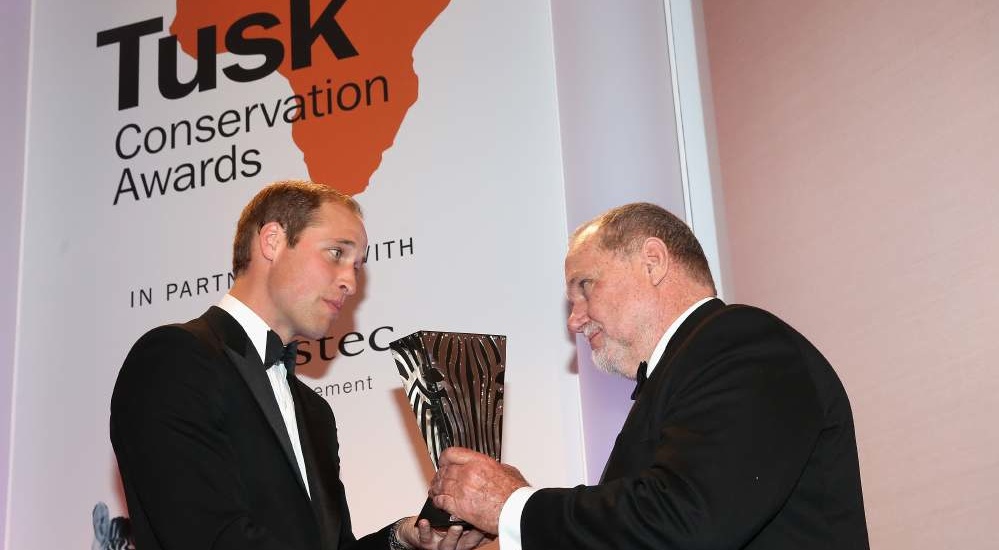
    Clive’s efforts in conservation were recently recgonised when he was awarded the lifetime Prince William Award for Conservation in Africa. His efforts (and those of other like minded people) are very commendable because not only do they keep threatened species alive, they also give people a livelihood.

    Without people stopping poachers and people managing conservation, there would be little or no wildlife, the wilderness that plays home to wildlife would cease to exist. Tourism is a key avenue through which conservationists like Clive raise funds to enable them to carry out the work that they do.

    Not all of us can go out there to fight poachers or become conservation champions but we can make a contribution to these efforts by doing something as simple as visiting one the country's eco-tourism reserves.

    Do you care enough to play a part in ensuring that Zimbabwe's threatened animals and environments are still around for decades to come?

    (Saviour Kasukuwere, Minister of Environment, Water and Climate congratulating Clive Stockil)

  • KLM To Resume Flights To Harare In October

    KLM To Resume Flights To Harare In October

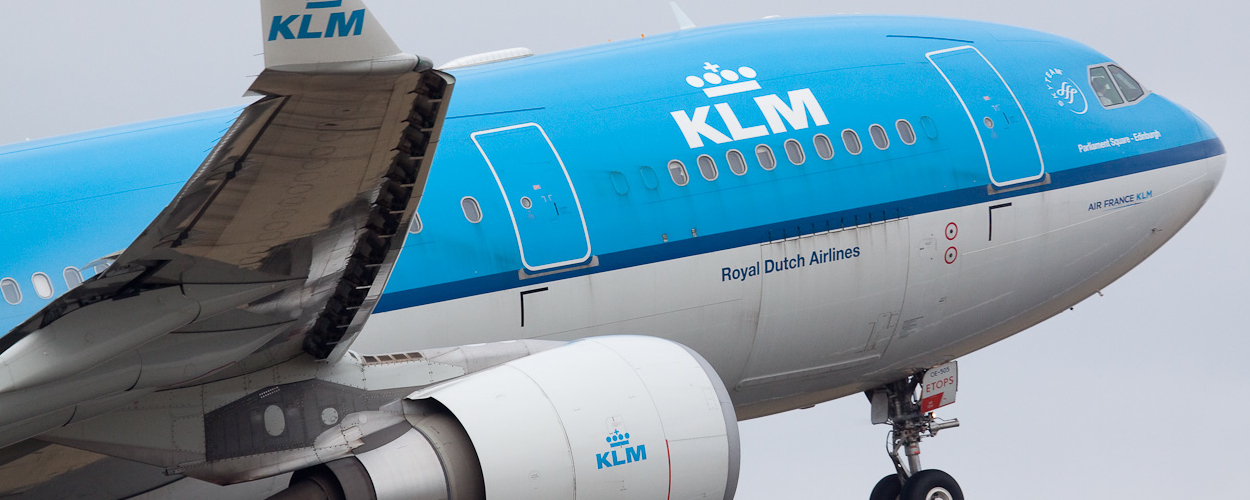
    Five months after Emirates started flying into Harare, another major international airline has confirmed its plans to start flights to Zimbabwe. Two days ago, KLM officially announced that it will start operating a service to Harare on 29 October 2012. It will operate a three weekly service from Amsterdam Airport Schipol to Harare International with an Airbus A330-200. KLM flight KL523 will depart from Amsterdam on Mondays, Thursdays and Saturdays at 10.20 hrs and arrive in Harare at 21.25 hrs on the same day. The return flight, also KL523, will depart from Harare at 22.30 hrs on the same day with a brief stopover in Lusaka and continue on to Amsterdam to arrive at 10.20 hrs the following morning.

    KLM stopped servicing Zimbabwe more thank a decade ago due to the political turmoil. Its return may be sign of increasing confidence in Zimbabwe and what it has to offer. From an operational perspective, the Harare service could be a very viable route seeing as tourist numbers are on the rise. The resumption of KLM flights to Zimbabwe could also aid in the nations economic recovery. From a local perspective, the increase in competition presents the traveling public with more flight options and hopefully more competitive ticket prices.

    With the introduction of services from another international carrier and Air Zimbabwe not currently flying internationally, it leaves one wondering if the national carrier will have a space left on international destinations once they get their act together.

  • Can Air Zimbabwe Fly Back Into The Black Like Air Pacific?

    Can Air Zimbabwe Fly Back Into The Black Like Air Pacific?

    Fiji, a former British Colony, a nation that was expelled from the Commonwealth and one that has various sanctions placed upon it, is a small island nation in the South Pacific ocean. It is ruled by what many seem to deem a dictatorial government lead by Commander of the Fijian Military Forces Frank Bainimarama. Does it’s recent history sound somewhat familiar?

    A number of airlines connect Fiji to a few of it’s neighbouring island’s and countries further afield with one of the service providers being Air Pacific, the national carrier. Like a number of airlines around the world who have found the aviation industry a challenge to make a profit in, Air Pacific saw itself slip into the red. But, this year they managed to slip back into the black and recorded an operating profit of $11.5 million versus an operation loss of $2.6 million the previous financial year. This bottom line result was attributed in part to an increase in the tourist numbers.

    As far as ownership goes, Air Pacific is owned by the government but now wholly! The government holds a 51% stake, Qantas 46.3% with the remaining 2.7% being held by other entities. Despite recent attempts by the government to exert greater control over the airline, it is still operating as normal.

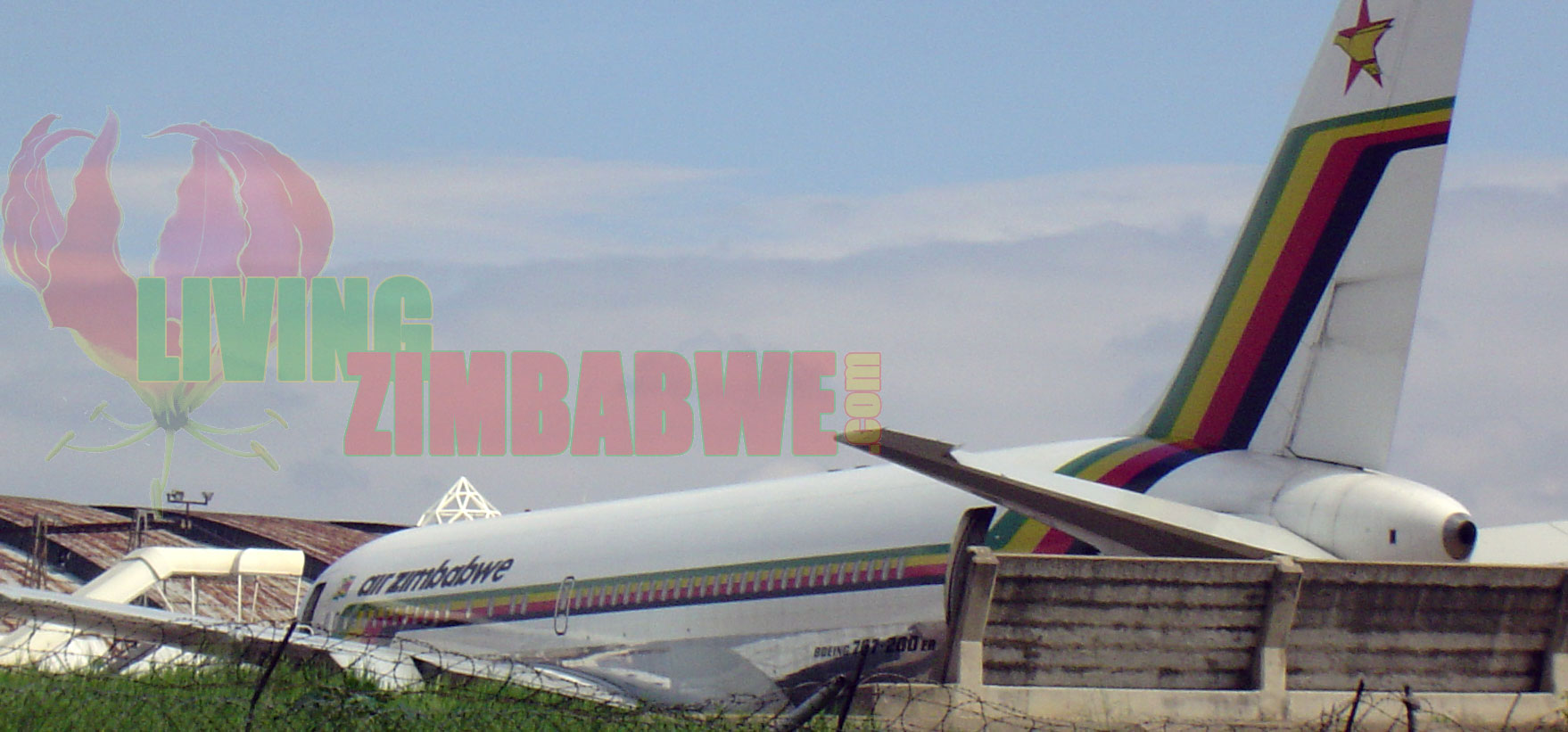
    Looking at Air Zimbabwe which is wholly owned by the government, the national carrier is in a serious state of distress and owes millions to various creditors and unpaid staff. At present, Air Zimbabwe is being threatened with losing it’s membership from The International Air Transport Association (IATA) over the renewal of its Operational Safety Audit. If this does happen, it means that the airline will not able to fly to international airports and airspace. But, this may be something that might not be a major concern seeing as they are currently only flying domestically.

    If the government deems it important enough for the country to not lose it’s national carrier and provides it with the minimum it requires in order to get back into full operation what then? The way in which they have been operating over the years has obviously not been working. Privatisation is something that has been spoken about in the past but something that the government does not seem keen on. That said, could them implementing a model such as Air Pacific’s work in transforming Air Zim into a viable airline? The Fijian government is one that likes to be in control but as far as the running of their national airline goes, they are only a majority shareholder. To add to that, it’s operations are overseen by a CEO who has no political affiliations and is not influenced by politics.

    Tourists numbers to Zimbabwe are reportedly on the rise which means that Air Zimbabwe will not be flying empty planes if they get back into full operation. As they continue to not fly international and try to figure out how to stay alive, other airlines are taking advantage of the huge gap they have left in the market. In recent months, South African Airways increased flight frequency into Harare and Emirates which recently started operating a 5 day/week service into Harare announced that they will soon start daily flights into the city. This goes to show that there isn’t a lack of travelers to and from Zimbabwe.

    With the passage of time, regional and international carriers will continue to increase their market share and squeeze the national airline out of a space that they should be dominating. Air Zim may need to quickly learn a lesson on ownership and operation from an airline such as Air Pacific and get themselves to where they should be before it’s too late.

    Is it already too late?