Category: Opinion

  • What to do during Zimbabwe’s 21-day coronavirus lockdown

    What to do during Zimbabwe’s 21-day coronavirus lockdown

    Coronavirus, COVID-19 has gripped the world and pretty much brought it to its knees. As of writing, there have been 1,203,923 confirmed cases, 64,795 deaths and 247,273 recovered. It has spread around the world quickly with some parts being hit a lot harder than others.

    Zimbabwe has not been immune to the coronavirus scourge. As at 4 April 2020, there have been 9 confirmed cases and the unfortunate death of Zororo Makamba. There is no telling what the actual number of cases in the country is. A big question mark also hangs over Zimbabwe’s preparedness? Is enough testing being done (349 to date)? Will facilities cope with serious cases?  Do frontline staff have adequate personal protective equipment? And the questions go on.

    Governments around the world have taken measures such as closing borders and ordering their citizens to stay at home in an effort to slow the spread of the virus. Zimbabwe has followed suit with a 21-day lockdown which started on 30 March 2020.

    What to do during Zimbabwe's 21-day lockdown

    This was an unwelcome move for many simply because not being able to go to work means not being able to make money to feed themselves and their families. In developed nations, working from home is something that is possible for many but Zimbabwe isn’t quite there yet. 

    With the lockdown in place, many people who are usually leading busy lives now find themselves with a lot of time on their hands.

    Here are a few ideas on things to do during the lockdown. But first and foremost, stay home, stay safe, only go out only when you really need to and do all that you can to protect yourself, your family and your community.

    Look at this time as an opportunity to somewhat reset and do those things that you want to do that you don’t have the time to do. This may mean being more intentional about where and what time is spent on. If you find yourself wondering how to spend that time, here are some suggestions:

    Connect with family

    Many of you will find yourselves at home with family and possibly spending more time than you have all spent together in a long time, if ever. This is a golden opportunity for families to get to know each other. Couples can get to know more about each other. Families with children can spend some quality time together and create good memories for all to remember.

    Do also reach out to other family not living with you and friends to see how they are doing. If resources permit, connect with them via a video call.

    Reset personal and professional goals

    Take some time out to reflect and take stock of where you are in life and what you want to get out of it.  If after this you feel like you need to reset your goals, do just that.

    This exercise will include actions such as writing down your goals, pathways to achieving them, obstacles you may need to overcome and accountability.

    Goal setting is not limited to personal development goals. If you are in business or thinking about getting into business, it could be business goals. Couples as well can get together and do some goal setting.

    Here are some resources to get you started:

    Goal Setting: A Guide to Setting and Achieving Your Goals

    How to Set and Achieve Life Goals The Right Way

    How to Use SMART Goals: Achieve More in Less Time

    Learn a new skill

    There are many reasons why it’s a good idea to keep learning. These include keeping your mind challenged and learning new things to improve your life. You can look at it as a self-development opportunity.

    From a professional capacity, as you learn new skills or enhance your existing skills, you increase your value proposition. As you develop them and put them into practise, you will give people more of a reason to want to work with you.

    Udemy, one of the best online learning platforms has over 250 free courses across a range of topics such as personal productivity, coding, public speaking and more available.

    Start a free course on Udemy

    Exercise mind, body and soul

    During this time of crisis, fear and anxiety about coronavirus and the situation it has created can be stressful and overwhelming. That said, it is important to pay particular attention to your mental and physical wellbeing. The mind, body and soul are all connected and all need attention.

    Mind – it is very easy for your mental wellbeing (and that of those around you) to go into a downward spiral. It is important to be able to recognise that this may be happening and to take steps to support yourself. Things that you could do include acknowledging your feelings, talking to family and friends and limiting media intake.

    Body – take good care of you body by eating a healthy, balanced diet. Stay active and exercise regularly. ASICS Studio: At Home Workouts is currently free and offers a range of exercises that can be done at home – get it on Google Play or on the App Store. Last but not least, make sure to get enough sleep.

    Soul – maintain inner peace by doing things such as meditation, prayer, mindfulness or whatever it is you do to quiet your mind. Udemy has some free courses on meditation and mindfulness available.

    Indulge in your hobby

    If you have a hobby or hobbies, now is a good time to indulge yourself. Having a hobby has in benefits in that it takes you away from the day-to-day of life. Hobbies can help with reducing stress and developing your creative brain.

    If you need some inspiration, read this guide on How to Find a Hobby.

    The above are some ideas on what you can do to pass the time and keep your sanity. We hope this helps you get through the lockdown and get out of it with renewed and rejuvenated.

    Do you have any other suggestions on what to do during the lockdown? If so, leave a comment below.

  • Dangerous drivers in Zimbabwe

    Dangerous drivers in Zimbabwe

    With the cops off the road, it’s been a welcome relief from the fines, harassment and often the daylight robbery. But now that they are gone the roads have become lawless, the number of idiotic drivers has seemed to increase along with the number of cars which are not clearly road worthy.

    From my observation not only the kombi drivers are driving like idiots but a lot of privately owned cars are more or less competing with the kombi drivers for the most idiotic driver awards. I think that Zimbabweans are fast becoming very inconsiderate impatient and dangerous drivers and how long will this trend last and will it become the norm in this country.

    If the police do come back what will their mandate be?

    https://www.facebook.com/LivingZimbabwe/videos/2507802082578602/

    This has been a submission by Anonymous.
    You too can become a Citizen Journalist by submitting your story here: Citizen Journalism by Living Zimbabwe
    The views expressed in the article are those of the author and not necessarily Living Zimbabwe.

  • Zimbabwe Dangerous Transport Networks

    Zimbabwe Dangerous Transport Networks

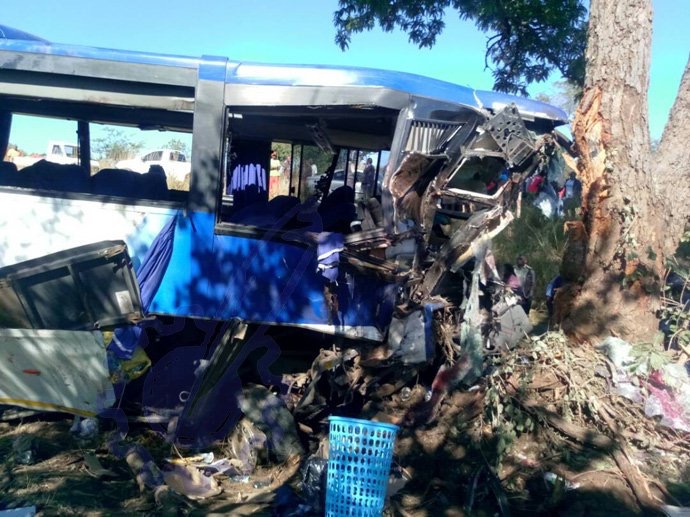
    The recent horror accident that has been reported to have claimed 45 lives of our brothers and sisters happened about 30km before Makuti along Harare and Chirundu highway is another sad chapter in our history. Police spokeswoman Charity Charamba said onThursday said that the bus crashed on Wednesday night about 96 miles north of the Zimbabwean capital, Harare. Charamba says the bus driver failed to negotiate a curve, though a formal investigation of the crash is underway.

    The accident is reported to have happened when the driver of King- Lion bus is alleged to have lost control and rammed into a tree resulting in this horrific accident. It is also reported that 24 passenger have been injured and they have been taken to Chinhoyi Hospital and arrangements to ferry the deceased to the same hospital were ongoing. I’m a saddened by this horror in our roads again, my heart goes to all the families affected by the accident.

    I duly challenge the government of Zimbabwe to put a lot more effort in making our roads safer and they should work on policies that change how we test Vehicles and Drivers of cross border vehicles and or passenger carrier. Many lives are being lost each year on the Zimbabweans roads and if this is not an alarm to the government I don’t know what is.

    Furthermore police officers are setting up too many roadblocks some are illegal money making scheme and this action is also another reason why drivers speed up to beat their roadblocks, putting lives at risk. The other issue is employee targets which results in high speed driving to beat targets to and from the route.

    21st Century we should be moving to digital world and retrain police officer. We must install traffic cameras and build many Service Areas and regulate breaking times. Installing speed cameras and good lighting will work as a deterrent to those who drive recklessly and ignore the rules. On the other hand any bus or coach should not be allowed to exceed a certain speed for example in the UK buses and coaches cannot exceed 70mph / 113kmh. Heavy fines should be issued to those who are found in breach of the Traffic Act.

    Traffic cops should be able to be equipped with cameras ( body cam) and dash cams, this action will help curb corruption in our roads. Bribes are becoming cancerous and it’s affecting the way both the police and drivers should be behaving, police officers should serve and protect the society and in turn as drivers we must refrain from paying our way out of trouble, let us change our ways and observe the Road Traffic Act.

    ZRP must reduce the number of police officers loitering around in our roads doing nothing more-so those receiving bribes and underperforming or endangering road users must be prosecuted or should face dismissal. Home Affairs Deputy Minister Cde Mguni said 357 police officers were suspended last year on allegations of corruption.“The disciplining mechanism which is there in the police has actually seen the suspension of more than 357 police officers last year who had been doing other things that are outside their working scope,” he said.

    Worryingly I’m reading that many drivers are not qualified to be behind the wheel, many drive under the influence or on a regular basis drive for longer hours with no rest, which also is in breach of the Road Traffic Act. Surely more needs to be done by companies that employ these drivers but most importantly the police force should restore faith in the road users. It is also our duty as individuals to observe the law and make sure that we save lives by allowing ample time to rest and travel it is also important for driver to refrain from engaging in activities that endangers passengers and others.

    Our transport network needs to be at the CORE of our discussion in a bid to save lives. We cannot just carry out investigations on this particular accident as pointed out by Mrs Charamba, but also go back to the root causes as to why we are witnessing many accidents on our roads.

    One thing for sure someone is at fault here. It’s either the buses are not roadworthy and if that’s true, how did the traffic cops miss this? Is someone paying their way out of proper checks and investigations. If the bus/coach was not fit, it should not be ferrying people about, or are the drivers doing something wrong which is endangering lives.

    I am however wondering what made the bus driver to misjudge the curve; was it because he was speeding ? If true, this will be classified as a human error, reckless and dangerous driving which carries an indictment charge or was it just the poor unsafe dangerous nature of our Zimbabwean roads.

    Some comments on social media are calling for a number of actions to be taken, this includes 1. Coaches must have mandatory speed limits. 2. 24hr tracking system by the company which must be compulsory and law 3. Mandatory insurance for passengers 4. Time travel limits “tiredness can kill.”

    I hope proper investigations will be carried out properly and a full report will be made public as to the real causes of the accident and the measures which are going to be put in place to avoid such a huge loss again on our roads. Someone is to blame here , the company, the driver or our government.

    This is a national tragedy I expect families of those affected to at least have compensation after a full enquiry or investigation but knowing Zimbabwe someone would want to cover it up and brush it under the carpet because we lack Institutions that advocate for such.

    Our roads are becoming dangerous to us the road users everyday, the funny part is many of us are paying road taxes but we see no real improvements on our roads, but utter decay.

    I believe our government should also have made huge strides with other means and mode of transport such as rail network but our only national rail NRZ is suffering and a recent report suggested that some of the carriages are now being used as brothels.

    This is why I disagree with many people who boast about Zimbabwe being full of educated people, educated how? What improvement has the government done to our rail network? Why can’t we have rail links between inner cities and town? Oh wait this cannot be possible because we lack visionaries. Just look at what other countries such as Kenya and Ethiopia did recently with their rail network, it just goes to show that these things are possible if you have the right people in right places.

    No one can convince me in 2017 that no one wants to travel safely and quicker. If our rail network is in full swing guess what we create “JOBS” yes jobs because for the running of the service the rail network will need Human Resources to make sure the free flowing of the transport system, and maybe we could have been thinking that at least the 2.2million jobs creation is no myth but as it stands only two jobs have been created. Of course I have said it, Bona and Simba Chikore the first family royalty are now the only 2 to get the jobs under the “Command No Jobs”.

    I do not want to dwell on Simba Chikore and his Air Zimbabwe dubbed Air Simbabwe because today I wanted to focus on rail and road, but we all know that Air Simbabwe is now suffering failing to pay its employees, to being banned flying into Europe.

    We have to revive our rail network because we are putting a huge burden on these poor constructed roads, if we had good railway links many of these accidents would have been avoided and passengers would have more choice as to which mode of transport they needed to use. Moreover trains are greener than many of the automobiles we use in our country. We deserve better in Zimbabwe.

    I am convinced that the statistics on the road causalities are appalling, if we have such a database that record road casualties yearly. If we do then what is the government doing to fix the problem? I am not saying that on beautiful roads vehicles don’t have accidents but my concern is around the lack of progress since 1980 to build sustainable transport networks. What is the government doing about the death toll on the roads?

    As someone from the Opposition our goals are set in making sure that we change the way people move from place to place without fear of death or serious harm to self and others. We need to show this “Ruining Party” Zanu PF and it’s cronies that we can build a better Zimbabwe. I also pray that I want Mr Mugabe to live longer to see these changes, I would be happy for him to board a train from Harare going to his rural KwaZvimba in a new Zimbabwe, safely and efficiently.

    How is this all possible? It can be achieved by making sure that we build safer roads and revive our rail network. We can achieve this by proper research and investing in good quality service from experts in the two areas in question. We also have to make sure that not only are the roads user friendly and safe but the vehicles on our roads are roadworthy too. In urban built up areas or CBD we must put up congestion and emission charges and promote the use of bicycles within the CBD itself, this will generate a lot of revenue that can be channelled to good use.

    Revenue received from vehicle taxes and charges from congestion and emissions will be ploughed back into road maintenance, this include, road markings, lighting , refugee areas, dualisation, camera installation ( speed and or traffic control). These are some of the items missing in our roads today and we are in 2017. Any government that doesn’t put its people first especially in matters such as safety on the roads is not of the people as it clearly is showing in Zimbabwe, were commissioning of a single traffic light in Chivhu makes headline news. Cry my beloved country.

    Why does our government not just look in the mirror and hold their hands up to say we have failed let others try and rebuild the country. I think there’s no shame in that line of thinking, but it is hard to imagine a Mugabe saying that I give up because his cronies won’t allow him to even contemplate stepping aside.

    My last words to you on this matter is just an encouragement, please do not allow this to continue happening let us challenge these people who are ruining our future. Let us help rebuild our country but it’s only possible after Zanu PF is gone as they are not willing to change. With Zanu PF in charge we are moving 20 years backwards, while others are thriving.

    Imagine a country that fails to build 3 way Motorway/ Highway/Freeway but continues to allow millions of cars good and bad to roam our streets! Let me leave this here I will come back to it on another day.

    Our country needs us next year let’s vote Zanu PF out and bring change in Zimbabwe.

    May the deceased rest in Peace. I also wish a speedy recovery to those injured. I would also like to extend my gratitude to those who helped the casualtie, God bless you all and your families.

    Written by Gilbert Navonika
    This has been a submission by Gilbert Navonika.
    Gilbert is a Law graduate and a politician, who is also a human rights activists based in the UK. He is very active in Zimbabwean politics, his passion is to inspire social change by demonstration.
    You too can become a Citizen Journalist by submitting your story here: Citizen Journalism by Living Zimbabwe
    The views expressed in the article are those of the author and not necessarily Living Zimbabwe.
  • The diasporan with a new hope of returning to Zimbabwe

    The diasporan with a new hope of returning to Zimbabwe

    The festive season has come and gone and with it, brought about an influx of diasporans returning home on holiday. For some, the visit was a long time coming and for others, it was part of a frequent commute home to visit family and friends.

    Many of the visitors enjoyed their visit and throughout their time in Zimbabwe, they bombarded their Facebook friends and Twitter and Instagram followers with update after update. The updates included tales and photos of everything they were doing, all the wonderful people they were coming across and just good things are, just to name a few.

    Most if not all of the diasporans have departed to get back to their lives in whatever part of the world they are now in. The rhetoric about their love for their short stay at home has continued but for some, it has changed to something else. What they saw and experienced when on the ground in Zimbabwe has given them a point of view different to what they were being feed by family, friends and the media.

    As far as they are now concerned, Zimbabwe is ripe and they see opportunity for them to actually consider leaving the Diaspora to return home to make a life for themselves. For these people, they saw opportunities for business that they could set up after seeing possible gaps in the market for various products and services. For others, they saw opportunities to partner with established businesses to enhance product and/or service offerings.

    Is this the case or were they being blinded by the ‘hepi hepi’ spending of the silly season and the cushion of spending money that they had spent months saving up for? Could the fantastical and sometimes reckless spending by the haves and some who are really have nots have given them false impressions of things being just fine?

    The reality for those that are here is that things are tough! Yes, there are the select few who have managed to find a vein of money that has afforded them a very comfortable living. But, for the majority, people have had to become hardened to the conditions and do whatever it takes to try and make ends meet.

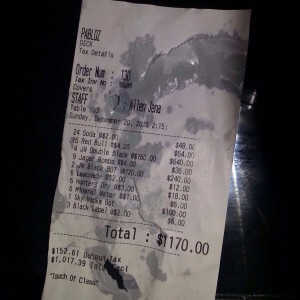
    Zimbabwe is a difficult place at the moment and not everyone has the capacity to drink away $1,000+ in a few hours. The pressing issues are trying to cover food, accommodation, transportation costs, school fees, medical expenses and so on.

    Pabloz-Bar-Harare-Drink-Receipt

    Yes, many of those who have fantasies of returning would be coming back with a wealth of skill and know-how in a number of areas and what they have to offer could be applied to the Zimbabwean context. Yes, things operate a little differently to the way that they do abroad. This is not to say that what they have acquired can’t be applied, may just need to be adapted so that it works well in Zimbabwe.

    Question is, should they be encouraged to return if for some of those who are considering it, their decisions are based on what might have been a false portrayal by others?

    This has been an interesting discussion point with varying opinions. We could write more but we’d love to hear your opinion. Share your thoughts by commenting below or if you have a lot more to say than just a comment, you could share your thoughts in an article/post (see here for details).

  • Ina de system by Rassie Ai

    Ina de system by Rassie Ai

    Ina de system scrupulously examines the experiences of a Zimbabwean migrant worker in the diaspora, his/her experiences on a social and community level as well the hardships faced due to perceptions of the host communities.

    Ina de system – Lyrics

    “Check it well this is Rassie Ai, I’m speaking to all the foreign guy,

    all migrant worker and all illegal guy. Lord!

    Ina de system, system, I won’t be a victim no way,

    Another system victim, the system a hackle me whoa

    The system a hackle me hey

    The system a hackle me whoa hey

    Mi lord de system a treachery, everyday you see it pon de new a bare tragedy

    Tek wey your vehicle home and money, nah smile at all because it doh funny

    No money, no visa, no work permit, a who you a guy turn to Lord?

    No friend, no bredren, no close family, only Jah you can turn to.

    Ina de system, system, I won’t be a victim no way,

    Another system victim, the system a hackle me whoa

    The system a hackle me hey

    The system a hackle me Lord God whoa

    Can’t buy a ticket fi a bus, and certain boy a road mi can’t trust

    Just choo dem check fi wah, mi status, fi mi immigration so mi get nervous

    One bag a question dem a ask us, “who you are, where you from, now get ina de bus”

    Have wi dung a detention dawn til dusk, worse than prisoner dem a treat us

    Who you a guy turn to ina your darkest Iyawa whoa Lord?

    Who a guy talk to, you better call on Jah Jah Lord God whoa

    Ina de system, system, I won’t be a victim no way,

    Another system victim, the system a hackle me whoa

    The system a hackle me Lord,

    The system a hackle me whoa see it ya

    Mi lord de system a treachery, everyday you see it pon de new a bare tragedy

    Tek wey your vehicle home and money, nah smile at all because it don’t funny

    No money, no visa, no work permit, a who you a guh turn to Lord?

    No friend, no bredren, no close family, only Jah you can turn to.

    The system a hackle me, pin down and shackle me Lord God whoa

    Choke and throttle me, a war and a battle me lord whoa

    I’m angry with hypocritical system lord God whoa

    Ina de system, system, I won’t be a victim no way,

    Another victim of the system, the system a hackle me whoa

    The system a hackle me hey,

    The system a hackle me hey whoa Lord, whoa Lord

    No money no visa no work permit

    And certain boy a road mi can’t trust”

    This has been a submission by Takura Donald Makoni aka Rassie Ai.
    You can connect with Rassie Ai via the following: https://twitter.com/DonaldMakoni, https://www.facebook.com/galleriakwamurongoarts.
    You too can become a Citizen Journalist by submitting your story here: Citizen Journalism by Living Zimbabwe
    The views expressed in the article are those of the author and not necessarily Living Zimbabwe.
  • #CecilTheLion: how did Zimbabwe take advantage?

    #CecilTheLion: how did Zimbabwe take advantage?

    Whether you are a fan of lions or not, whether you like hunting or not, whether you are into conservation or not, whether you love or hate Zimbabwe, a discussion that you more than likely came across or maybe got involved in yourself was that of Cecil The Lion.

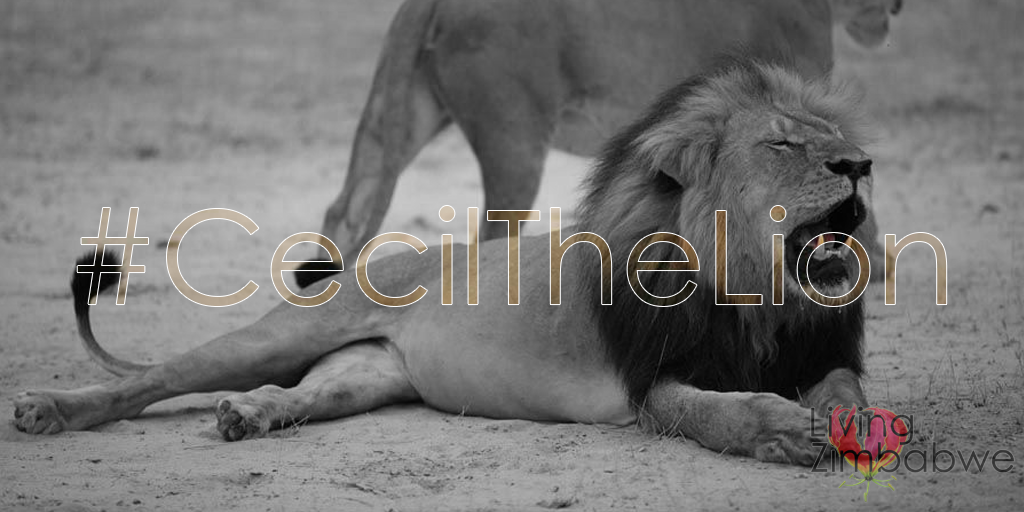
    If you don’t already know, Cecil was according to many, a much-loved lion that once roamed the plains of Hwange National Park. He was in an unfortunate turn of events hunted by American dentist, Walter Palmer. When news of the killing came to light it caused a huge uproar from a countless number of people and organisations across the world and it also became the story of the moment on many of the major new networks.

    That amount of coverage on the death of Cecil made it one of the top stories of 2015. Towards the end of last year, Parsely, a leading digital analytics solution provider, released data on the top stories of the year and how people discovered them namely via search (e.g. Google & Yahoo) or social (Facebook & Twitter). According to their numbers, Cecil was one of the top stories and it had a search to social traffic ratio of 73% meaning that it gained a lot of traction via social media.

    traffic-sources-top-news-2015-Parse.ly

    Google also released data on the most popular searches throughout 2015. One of the spikes on the timeline in August 2015 was Cecil. This shows that purely from a search perspective it was a popular topic.

    In the heat of the debate, people had wide and varying opinions on how they felt about the incident. For those directly involved such as the hunter, the guides and the authorities, there was some finger pointing and he said she said. At the end of the day, there really wasn’t a solid end result bar arresting a couple of local operators and tightening restrictions on hunting. In hind sight, the whole saga may have been a wasted opportunity with what it could have brought.

    Whilst all of this was going on, what could have happened is that someone could have taken a step back, analysed the situation and seen how to use it to our advantage.

    Some research shows that even though hunting (which in itself is a form of tourism – as controversial as it may be) brings in a considerable amount of revenue. However, it is not the number one tourism revenue generator. Ecotourism comes out on top with the revenue generated from it far surpassing that of hunting.

    Till he met his demise, Cecil had been studied in great detail by WildCRU. With this direct link to lion conservation efforts, maybe a story around a ‘conservation’ or ‘ecotourism’ theme could have been crafted to shed a positive light on tourism in Zimbabwe.

    With hunting, conservation, tourism and other associated activities already in the spotlight, maybe an organisation, a group of individuals, tour operators, a government department or a joint effort between some of the aforementioned for that matter could have drawn up a marketing strategy. This marketing strategy could have been aimed at getting out a message to say that yes, a lion had met its unfortunate demise; that this is not what we are all about; outlining what we are about and what is on offer as far as ecotourism goes and maybe even enticing potential ecotourists with discounted travel packages.

    The above is not the be all and end all of what could have been done to spin the incident around and use it for positive gain. There are always lessons to be learnt from such events. Part of that would involve taking some time to sit back and understand what went wrong and what can be done to fix it and to end up with a favourable outcome for all.

    There is a lot of negativity out there in the world and at the end of the day, it is up to us to choose how we respond to it. That response could be a negative one which could only make things worse or we could choose to address the situation and work towards a positive outcome. Let this be the year that you turn negatives into positives.

  • Is Mugabe still in power because of his Sangoma?

    Is Mugabe still in power because of his Sangoma?

    Robert Gabriel Mugabe has been president of Zimbabwe for decades and over that time, he has not shown and still doesn’t show any signs of wanting to let go of power. That said, a question that many a people has had is, how he has managed to hold on to power for so long?

    Over the years, people and the media have speculated on how he manages to hold on to power and these have included him turning to the occult to give him the upper hand. At a point in time, there were stories swirling around about Mugabe and the black bag that he carried around with him everywhere he went. Does the bag contain some sort of ‘juju’ that keeps him in at the helm?

    A man of God by the name of Apostle Michael Adeyemi ‘Yemi’ Adefarasin from Abuja, Nigeria, recently added more fuel to add to the fire in the conversation on Mugabe and his links with the occult. Apostle Yemi delivered a sermon where he touched on things that people have done in their lives to give satan an opening into it and a legal right over them.

    As he progressed through the sermon he mentions how by visiting sangoma’s and the likes, you are effectively entering into a covenant with the devil. This eventually led to him mentioning how Mugabe has paid visits to sangoma’s in Tanzania and has taped into various ‘power’ sources around the continent and resulted in him still being alive and kicking to this day.

    Apostle Yemi explains this to have come about through Mugabe’s adoration for Kwame Nkrumah, who has been seen by many as one Africa’s greatest leaders. With Mugabe being Nkrumaised so to speak, he followed suit in seeking assistance from the spirit world.

    Have a listen to the extract from the sermon and from there make up your mind up as to what you do or don’t believe. If there is any sort of truth to it all, does it give those who a looking to unseat Mugabe some insight into what sort of action they need to take to make it a reality?

    Share your thoughts in the comments section below.

  • How some titles have lost meaning in Zimbabwe

    How some titles have lost meaning in Zimbabwe

    Zimbabweans regularly fall into a frenzy for titles (tiltle-phoria) where everyone within the upper echelons of power wants to put that title either as a suffix or prefix to their name. In the end everyone becomes an entrepreneur, farmer or quite recently the trending doctor or prophet.

    Here are several titles that has been overused and abused in Zimbabwe that they have almost lost meaning altogether.

    1. Prophet

    The ‘bloodshed’ profiters have made their names by mesmerising their followers with tricks. At one point, they refereed to themselves as pastors before elevating themselves to apostles. As their arrogance grew, they anointed themselves as bishops before they found another title: prophet. Nowadays they stand at street corners uttering words they claim to be prophetic. They are yet to contribute solutions to Zimbabwe’s challenges but enjoy scaring people with their ‘bloodshed’ prophecies.

    2. Entrepreneur

    With the economy in a comatose condition, and slipping back to the horrendous 2008 levels, people have been jolted into seeking other money making ventures to complement earnings. Thanks to ZimASSET, almost everyone is selling something. Everyone has become a hustler offering products/services that almost everyone is else selling. The entrepreneur has become but the airtime vendor (a direct casualty of the economic meltdown) who is struggling to put food on the table. Propagandists and spin-doctors seeking to justify ZimASSET have abused the word and distorted its meaning. In 2008 everyone was a billionaire but with little to show for it, in 2014 everyone is an ‘entrepreneur’ but with little to show for it.

    3. New farmer

    It is now almost 14 years after ‘land distribution’. At most, some of the resettled farmers are over 10 years on their plots yet they are still referred to as new. Although they feel and look new, these farmers are not new at all. A president who has been at the helm for ten years cannot be referred to as a new president. The ‘new’ farmer Waits for the beginning of the rainy season to descend on his plot accompanied by at most two labourers equipped with hoes, a few sacks of fertilizers and nothing more. The farm is more of a summer vacation for the dude to escape from the wife and family.

    4. Doctor

    Whether medical or academic honorary, the title has lost its meaning. The 80’s frenzy when everyone scrambled to be recognised as fundi seems to have returned. This time no longer do people have to study to attain the degree. Now it is about money and power. The title ‘Doctor’ is now about prestige rather than to contribute towards social good. Unsurprisingly, the list of PhD holders in government and public offices keeps rising but the list of solutions to the nation’s crisis keeps dwindling.

    5. Comrade

    Comrade is Portuguese friend but the title has been ‘reserved’ for and to mean only veterans of the liberation struggle. In that way, it has been used to alienate the rest of the society. However, there is a new crop of comrades (Young Turks) who have managed to smuggle themselves into the system with no other intention but to steal and plunder.

    The new “comrades” are but looters and opportunists have outwitted the old guard, sliding through the backdoor to get a chance to bite the national cake that has now become a preserve of the few. In the end, the comradeship that existed during the struggle has since been lost and the true comrades who carried the struggle have been forgotten and replaced by elite (black Smith regime).

    Its really a circus when one begins to be addressed as “doctor-comrade-amai” so and so or when they referred to as “doctor-prophet.”

    I therefore call upon those with the might to return to sanity and restore the dignity especially of our academic titles.

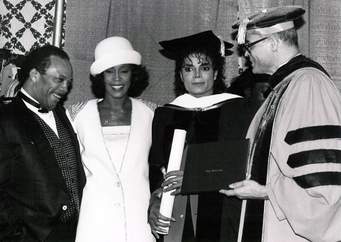
    Even Michael Jackson had a doctorate

    This has been a submission by Ittai Bryan.
    You can connect with Ittai Bryan via the following: http://ibmatteu.blogspot.com, http://twitter.com/ibmatteu, http://facebook.com/ibmatteu.
    You too can become a Citizen Journalist by submitting your story here: Citizen Journalism by Living Zimbabwe
    The views expressed in the article are those of the author and not necessarily Living Zimbabwe.

  • The next generation of African leaders, a talk by Fred Swaniker

    The next generation of African leaders, a talk by Fred Swaniker

    When someone decides to step up and become a leader, they are signing up to be that person that has the interests of a peoples at heart. If you put the words ‘Africa’ and ‘Leader’ together in the same conversation, you are likely to either have a discussion about those who have made a real and positive difference in people’s lives or those who have left or will leave a legacy of despair.

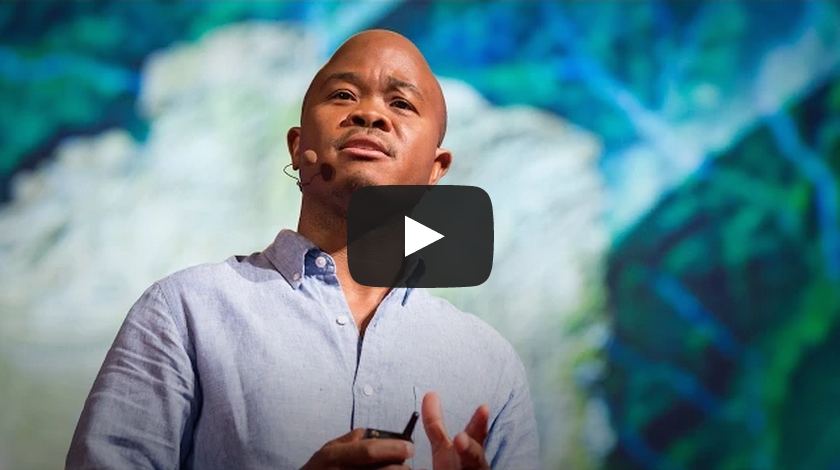
    In a recent TED talk in Rio de Janeiro, Fred Swaniker touched on a handful of topics related to Africa and leadership. These included leadership over the generations, where his take on it was that Africa has gone through 3 progressively better generations of leaders. For him, the first generation were the ones who freed us from colonialism and included Kwame Nkruma and Julius Nyerere. The second generation included the likes of Mobutu Sese Seko and Sani Adacha who brought with them havoc, warfare and corruption. The third generation which he termed the stabiliser generation have worked or are working to clean things up and were accountable to the people. In this generation he included Mandela and Kagame but then the 3rd generation and their achievements is debatable given what some of Africa’s current leaders have brought upon their people.

    Nonetheless the talk goes on to discuss the next generation of African leaders and the kind of issues they would need to tackle in order to make a meaningful difference. Given the weak state of institutions such as constitutions around Africa, leaders have a great deal of power and the decisions that they make can make or break a nation.

    The talk then moves on to the next generation of African Leaders and it is at this point where you really start thinking about ‘who will be next?’ or more importantly who we want next and what we want them to achieve.

    This topic is very relevant and even more so in the Zimbabwean context where a change in leadership is imminent.

    Watch the talk and then ask yourself a question, who do you want to see leading Zimbabwe after Mugabe?

  • Why Are You Telling Mistruths About Zimbabwe?

    Why Are You Telling Mistruths About Zimbabwe?

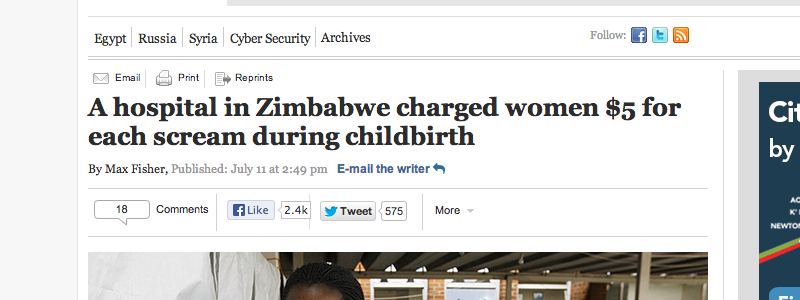
    Last week, a story was published by a reputable media outlet about women being charged $5 per scream during childbirth, a story for which the headline itself seems out of this world. The story went out social media and caused discontent as can be seen by the reactions on Twitter below:

    Can you imagine being a woman going through childbirth who after going through the associated pains and bringing a new life into the world is presented with a bill that includes extra charges. Labour and delivery cost are in themselves “a cost” and the addition of a “screaming charge” is just ridiculous.

    There are in this world influential people and organisations who when they say something, people will stand up and listen. On the flip side of the coin are, with all due respect, ignorant people who are easily influenced whom when they read such stories will believe everything they have to say and further aid in spreading them regardless of their authenticity. The sad thing about these kinds of stories is that the spread mistruths about Zimbabwe and increase negative sentiments about the country and even it’s people.

    A big question that can be and should be asked is why people and organisations would want to publish such stories? Only “they” will know the real reasons for their decisions to publish and without them, it’s anyones guess. That said, people who have Zimbabwe at heart have reacted with the following:

    [quote]Even if you hate ZANU PF you’ve gotta admit this story is LIES, LIES, LIES!!! Where does the western media get such phony stories???[/quote]

    can you blame them?

    Zimbabwe is at a point in time where it doesn’t need any more negative publicity than it has already received. We haven’t delved into verifying the legitimacy of the report and others like because efforts should be concentrated on building Zimbabwe. Yes, there are unpleasant truths to life in Zimbabwe but there are also pleasant truths.

    That said, we need to share these pleasant truths about life in Zimbabwe. If you have a story to share with the world, Living Zimbabwe has a platform that allows you to do just that. Be that person who tells the truth! Visit: https://www.livingzimbabwe.com/citizen-journalism for more information on how to make a submission.