Author: Living Zimbabwe

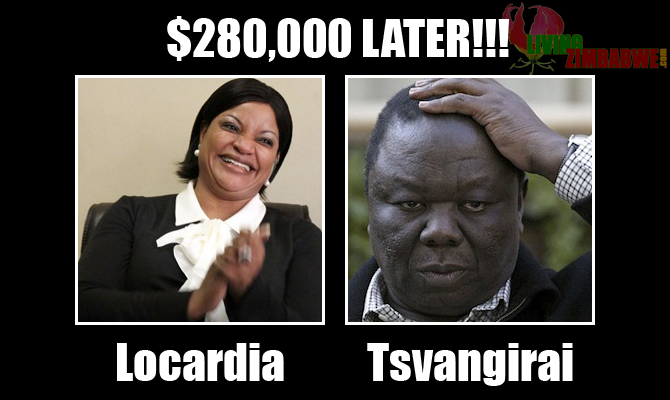
  • Locardia, Tsvangirai And The $280,000 Payment?

    Locardia, Tsvangirai And The $280,000 Payment?

    Since the death of his wife Susan in 2009, Morgan Tsvangirai has found companionship with a number of women over the years. The relationships have taken various shapes and forms with some allegedly resulting in promises of marriage such as the one with South African Nosipho Regina Shulubane. Another of his relationships with Loreta Nyathi, a woman almost 40 years his junior resulted in a love child. And yet another one of his relationships and probably the most famous was with Locardia Karimatsenga who was recently recognised by the courts as his customary wife.

    After all of these relationships, Mr. Tsvangirai eventually settled on Elizabeth Macheka as the woman he was going to “officially” marry but when some of the women from his past heard about it, they took measures to prevent it from happening. Locardia made the most notable push in stopping the marriage but her bid was not 100% successful.

    Such indiscretions rarely go unpunished and end up with someone paying in one way or another and Tsvangirai did not come out unscathed. Locardia did not let the matter lay to rest and has made a number of demands that have included maintenance payments. In the last few days there have been reports that her and Tsvangirai have reached a settlement agreement that will see her receive a lump sum payment of between US$280,000 to US$300,000.

    This is just over a quarter of a million dollars and is not a small amount of money by any measure and especially so for a man who is essentially a civil servant. That said, it leaves a lingering question, if such an amount was agreed upon, how can Zimbabwe’s Prime Minister afford to make such a payment?

  • The UAE & Zimbabwe Open Skies Agreement

    The UAE & Zimbabwe Open Skies Agreement

    On 3 October 2012, The United Arab Emirates (represented by Mr. Omar Bin Ghaleb, Deputy Director General of the UAE General Civil Aviation Authority (GCAA)) signed an air services Memorandum of Understanding (MoU) and Air Services Agreement (ASA) with the Government of Zimbabwe (represented by Mr. Munesushe Munodawafa, Secretary for Transport, Communications and Infrastructural Development).

    The agreements which are effectively ‘open skies’ agreements allow for full route access, capacity, number of frequencies and types of aircraft in either a passenger or cargo capacity between the two countries. Also present at the event were various interested parties which included representatives from Emirates, Etihad and RAK Airways. Given that Air Zimbabwe’s international operations are currently grounded, the aforementioned (with Emirates in particular) would be particularly interested in the agreements going through since they face no competition on the route and stand to profit from it.

    As already mentioned, the route will facilitate for increases in freight and passenger services between the two nations and will make trade much easier. But, you can’t help wonder why the push to secure such trading links with Zimbabwe and other Sub-Saharan countries?

    Middle Eastern countries like the UAE have been increasing their investments in Africa and have also been eyeing and buying land in various African nations to ensure a steady supply of food for it’s people. Having open skies agreements with Zimbabwe and other African nations further cements their foothold in Africa with investments that may not necessarily benefit Africans.

    The question is, where will this coupled with Chinese investment leave us in years to come?

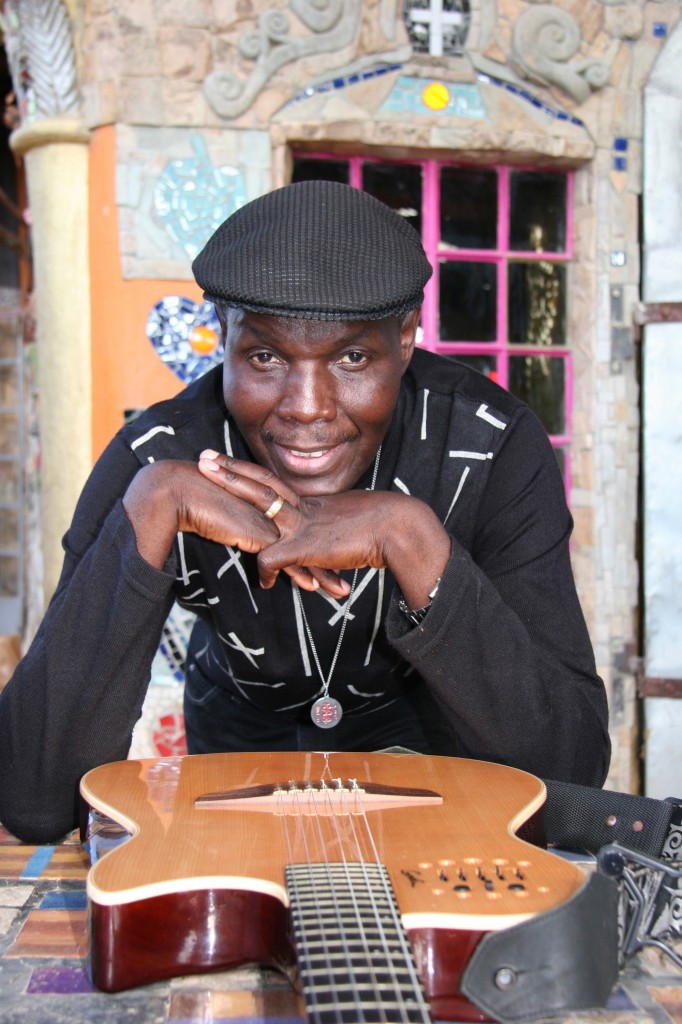
  • Zimbabwean Music Legend Oliver “Tuku” Mtukudzi is 60!

    Zimbabwean Music Legend Oliver “Tuku” Mtukudzi is 60!

    Rest in Peace ‘Tuku’ – 23 January 2019


    22 September 2012 marks the day that one of Zimbabwe’s greatest musicians Oliver “Tuku” Mtukudzi turns 60. Over the decades he has entertained generations of Zimbabweans and to this day he is still making a contribution to music and society. He is still recording, has just released his 61st album, ‘Sarawoga’ and has 3 more ready to be released. To add to that, he mentors young aspiring artists at Pakare Paye Arts Centre (a centre that he founded in 2003) so that they too can one day realise their dream. What more can one do to be classified as a legend?

    Turning 60 doesn’t mean that we will be hearing less and less of him, in his own words, “As long as mankind exists, there is always something to talk about and as long as there is something to talk about there is something to sing about. And so I shall sing always”.

    Happy Birthday Tuku!

  • The Fight Against Chronic Disease In Zimbabwe

    The Fight Against Chronic Disease In Zimbabwe

    Since the early nineties, Zimbabwe has been plagued by HIV/AIDS which over the years has seen countless numbers of people being infected and losing their lives. The high infection rates lead to various organisations investing a huge amount of resources to combat the disease.

    Whilst this fight against HIV/AIDS has been taking place, another menace has been slowly creeping up and making it’s way to the forefront. That menace is chronic disease and there is an ever increasing number of Zimbabweans who are succumbing to cancer, diabetes, cardiovascular disease and other chronic conditions.

    For some people, words such as “cancer” and “diabetes” are just that; words. For others they go far beyond being just words and have become a reality that they have to live with for the rest of their lives. This reality is not limited to the victims, their loved ones also fall victim with the emotional turmoil that they go through and they too may need to make slight adjustments to their lifestyles.

    Increasing numbers of Zimbabweans are being diagnosed with various chronic conditions. For some, diagnosis is made at a later stage of the disease progression and at a point when a significant amount of irreversible damage has already been done. Such a diagnosis will more than likely bring about emotional and physical turmoil that may lead people into a state of hopelessness which may then lead them to having to deal with depression as well.

    One of the necessary steps in the fight against chronic disease is education. There needs to be an increase in awareness to the point where the public has a basic understanding about various conditions and knows the answers to questions such as:

    • what is cancer?
    • what are the risk factors?
    • what is diabetes?
    • how do you prevent diabetes?
    • how do you detect cancer?
    • how do you prevent cancer?
    • how do you detect diabetes?
    • where can I get more information?
    • where can I discuss any concerns?
    • and so on and so forth….

    Knowledge is power and being more informed about these topics will allow people to make better life choices. For those living with diabetes, cancer and other conditions, being knowledgable about their condition will allow for better self management.

    There is no time better than the present to start having a conversation about chronic diseases. Beyond having these conversations, we need to start taking action on a number of fronts. Evidence suggests that a number of these diseases a brought about by lifestyle choices. That said, we can choose to make choices in our lives that reduce our risk factors and these can include good nutrition, keeping physically active, staying away from tobacco and managing stress.

    These diseases are not going away anytime soon and you really need to ask yourself a question; is your life and the lives of your loved ones worth it?

  • In America by NoViolet Bulawayo & The Cost Of Living In The Diaspora

    In America by NoViolet Bulawayo & The Cost Of Living In The Diaspora

    A few weeks ago, Zimbabwean author NoViolet Bulawayo made an appearance on Rendezvous With Zeinad Badawi. During her appearance she read an extract from a story that she wrote “In America”. The story is about the immigrant experience and the costs that some people pay for leaving home and not being able to return.

    [quote] And when our parents reminded us over the phone that it had been a long, long time, and that they were getting old and needed to see us, needed to meet their grandchildren, we said, we are coming mama, siyabuya baba, we are coming gogo, tirikuuya sekuru. We did not want to tell them we still had no papers. And when they grew restless and cursed

    America for being the greedy monster that swallowed their children, swallowed the sons and daughters of other lands and refused to spit them out, we said, we are coming very soon, we are coming next year. And next year came and we said, next year. When next year came we said, next year for sure. And when next year for sure came we said, next year for real. And when next year for real came we said, we are coming, you’ll see, just wait. And our parents waited and they saw, saw that we did not come.

    They died waiting, clutching pictures of us leaning against the Lady Liberty in their dried hands, graves of lost sons and daughters in their hearts, old eyes glued to the sky for fulamatshinaz (diaspora planes) to bring forth lost sons and daughters. [/quote]

    The story tells a tale about the struggles of getting to America and upon getting there, people forgetting about the dreams that they went there to pursue. This left work as the next option and due to visa restrictions, it meant working illegal and with the passage of time, the expiration of visas and people becoming illegal immigrants and all the while working menial to support family back home.

    It carries on telling the story of becoming stuck in the diaspora and longing for Mother Africa. Children being born  and raised in a way that is completely different to how they are raised at home. The passage of time also brings with it the passing of loved ones (parents) and facing the harsh reality of not being able to properly say goodbye. It then leads on to their own inevitable aging and their children putting them in nursing homes to be taken care of by strangers which is soon followed by death, an unceremonious burial and a spirit left in limbo.

    Being stuck in the diaspora and not having the papers to return back home is a story echoed by many Zimbabweans. “In America” gets you thinking about the costs of living in the diaspora and leaves you wonder if it is worth it?

    The article was published in Callaloo, an African Diaspora literary journal and can be found in it’s entirety here.

  • KLM To Resume Flights To Harare In October

    KLM To Resume Flights To Harare In October

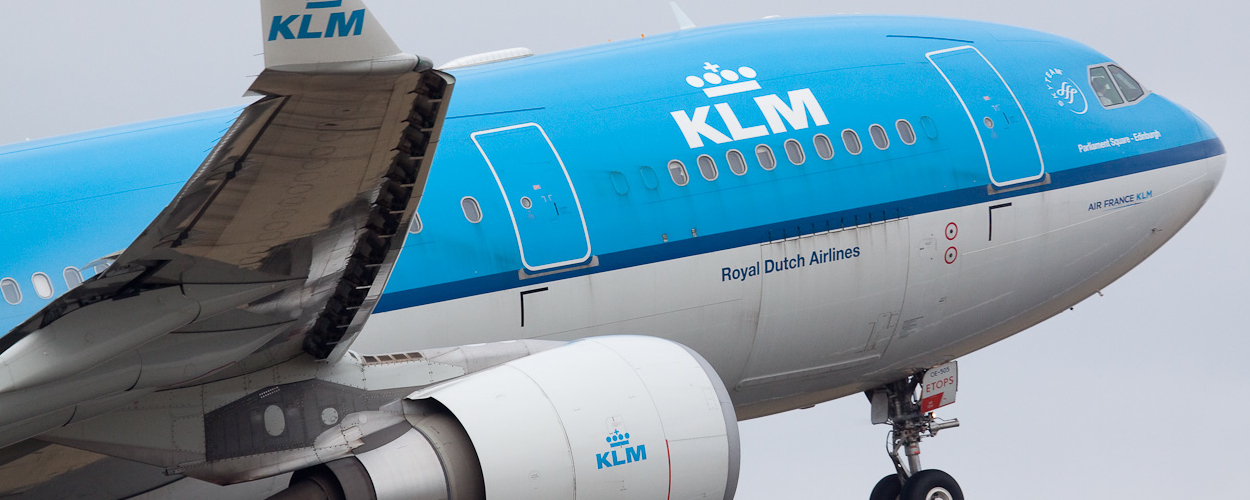
    Five months after Emirates started flying into Harare, another major international airline has confirmed its plans to start flights to Zimbabwe. Two days ago, KLM officially announced that it will start operating a service to Harare on 29 October 2012. It will operate a three weekly service from Amsterdam Airport Schipol to Harare International with an Airbus A330-200. KLM flight KL523 will depart from Amsterdam on Mondays, Thursdays and Saturdays at 10.20 hrs and arrive in Harare at 21.25 hrs on the same day. The return flight, also KL523, will depart from Harare at 22.30 hrs on the same day with a brief stopover in Lusaka and continue on to Amsterdam to arrive at 10.20 hrs the following morning.

    KLM stopped servicing Zimbabwe more thank a decade ago due to the political turmoil. Its return may be sign of increasing confidence in Zimbabwe and what it has to offer. From an operational perspective, the Harare service could be a very viable route seeing as tourist numbers are on the rise. The resumption of KLM flights to Zimbabwe could also aid in the nations economic recovery. From a local perspective, the increase in competition presents the traveling public with more flight options and hopefully more competitive ticket prices.

    With the introduction of services from another international carrier and Air Zimbabwe not currently flying internationally, it leaves one wondering if the national carrier will have a space left on international destinations once they get their act together.

  • Will You Be Supporting Zimbabwe During The Olympics?

    Will You Be Supporting Zimbabwe During The Olympics?

    The 2012 London Olympics are just 3 weeks away! Zimbabwe will be sending a few athletes over to the United Kingdom to represent their nation and compete against the worlds best in their respective disciplines.

    At the last Olympics in Beijing 2008, Zimbabwe recorded a medal haul of 1 gold and 3 silvers all of which were won by “Golden Girl” Kirsty Coventry. The ideal situation at the upcoming games would be for a similar or better result but it wont be an easy ask as the athletes will be vying against the worlds best. One saving grace for some of them is that they are based out of Zimbabwe where they are coached by and train with the world’s best.

    According to All Africa (as of today), the following athletes have managed to qualify for the Olympics:

    Kirsty Coventry
    Cutbert Nyasango
    Wirimai Juwawo
    Sharon Tavengwa
    Chris Felgate
    Jamie Fraser-Mackenzie
    Micheen Thornycroft

    One thing that always goes a long way towards helping athletes go above and beyond and achieve success (when it matters most) is the support they are shown whilst they are competing. If you are lucky enough to attend an event where a Zimbabwean athlete is competing, a show of support could be something as simple as waving the Zimbabwean flag. During the 2011 Rugby World Cup Final, a Zimbabwean flag was spotted on a banner that read “Zimbabwe I’m Coming Home Rosie”. Some weeks ago at a test match between South Africa and England in Johannesburg, a Zimbabwean flag was once again spotted in the crowd. Both of these games did not feature Zimbabwean teams but some individuals felt the need to take their country flag along with them and display them in a prominent position.

    For those of you who want to show support or just feel the need to fly the flag, the Olympics provide the perfect opportunity to just that.

    If you don’t have a flag and would like to get your hands on one, they can be purchased cheaply from the following:

    Amazon
    eBay

    GOOD LUCK TO ALL ZIMBABWEAN ATHLETES TAKING PART IN THE 2012 LONDON OLYMPIC GAMES

  • Can Air Zimbabwe Fly Back Into The Black Like Air Pacific?

    Can Air Zimbabwe Fly Back Into The Black Like Air Pacific?

    Fiji, a former British Colony, a nation that was expelled from the Commonwealth and one that has various sanctions placed upon it, is a small island nation in the South Pacific ocean. It is ruled by what many seem to deem a dictatorial government lead by Commander of the Fijian Military Forces Frank Bainimarama. Does it’s recent history sound somewhat familiar?

    A number of airlines connect Fiji to a few of it’s neighbouring island’s and countries further afield with one of the service providers being Air Pacific, the national carrier. Like a number of airlines around the world who have found the aviation industry a challenge to make a profit in, Air Pacific saw itself slip into the red. But, this year they managed to slip back into the black and recorded an operating profit of $11.5 million versus an operation loss of $2.6 million the previous financial year. This bottom line result was attributed in part to an increase in the tourist numbers.

    As far as ownership goes, Air Pacific is owned by the government but now wholly! The government holds a 51% stake, Qantas 46.3% with the remaining 2.7% being held by other entities. Despite recent attempts by the government to exert greater control over the airline, it is still operating as normal.

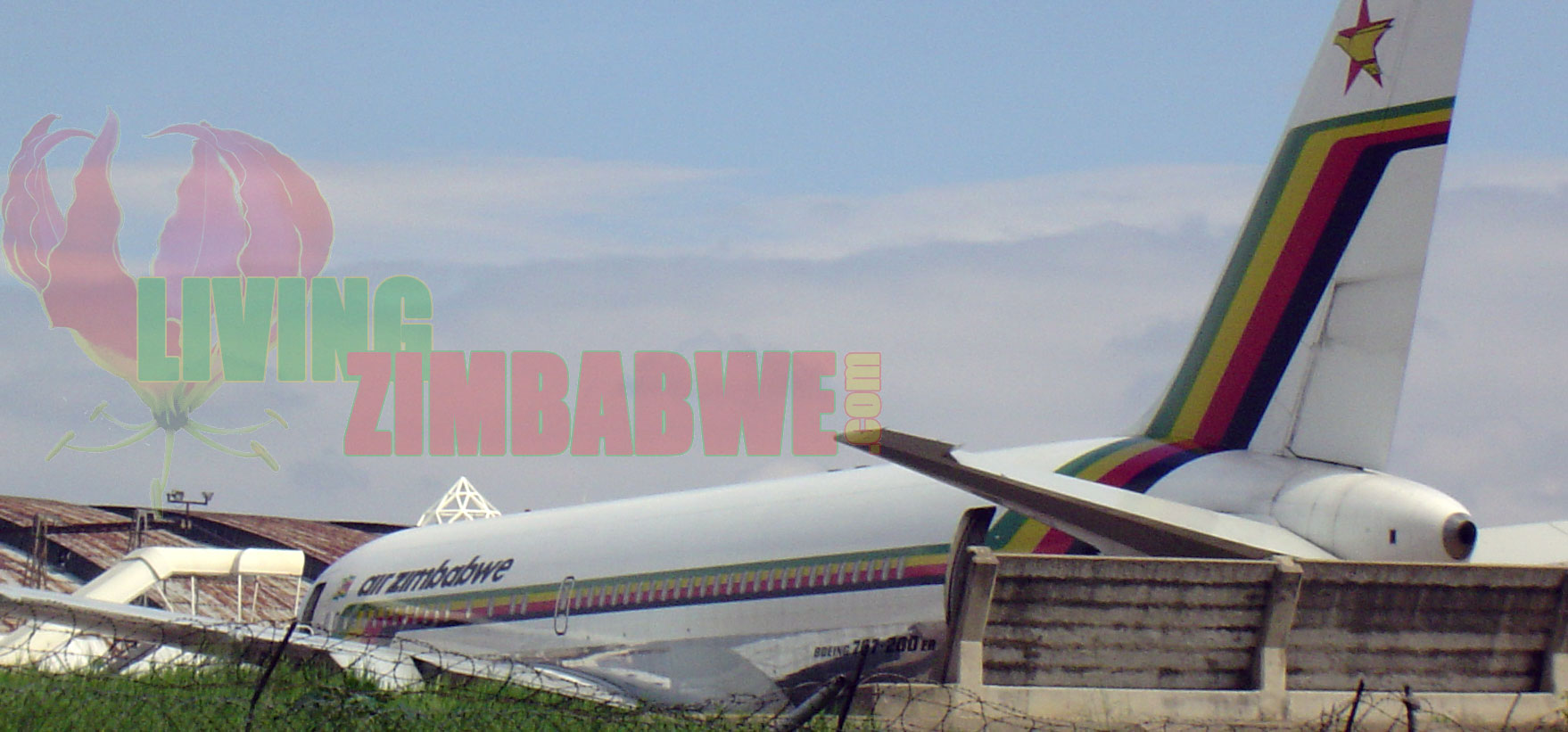
    Looking at Air Zimbabwe which is wholly owned by the government, the national carrier is in a serious state of distress and owes millions to various creditors and unpaid staff. At present, Air Zimbabwe is being threatened with losing it’s membership from The International Air Transport Association (IATA) over the renewal of its Operational Safety Audit. If this does happen, it means that the airline will not able to fly to international airports and airspace. But, this may be something that might not be a major concern seeing as they are currently only flying domestically.

    If the government deems it important enough for the country to not lose it’s national carrier and provides it with the minimum it requires in order to get back into full operation what then? The way in which they have been operating over the years has obviously not been working. Privatisation is something that has been spoken about in the past but something that the government does not seem keen on. That said, could them implementing a model such as Air Pacific’s work in transforming Air Zim into a viable airline? The Fijian government is one that likes to be in control but as far as the running of their national airline goes, they are only a majority shareholder. To add to that, it’s operations are overseen by a CEO who has no political affiliations and is not influenced by politics.

    Tourists numbers to Zimbabwe are reportedly on the rise which means that Air Zimbabwe will not be flying empty planes if they get back into full operation. As they continue to not fly international and try to figure out how to stay alive, other airlines are taking advantage of the huge gap they have left in the market. In recent months, South African Airways increased flight frequency into Harare and Emirates which recently started operating a 5 day/week service into Harare announced that they will soon start daily flights into the city. This goes to show that there isn’t a lack of travelers to and from Zimbabwe.

    With the passage of time, regional and international carriers will continue to increase their market share and squeeze the national airline out of a space that they should be dominating. Air Zim may need to quickly learn a lesson on ownership and operation from an airline such as Air Pacific and get themselves to where they should be before it’s too late.

    Is it already too late?

  • Zim Names (Part 3)

    Zim Names (Part 3)

    Caroline Hooper-Box, writing a few years ago for the Sunday Independent, tells the movingly tragic story of the tribulations of an immigrant painter at the hands of South African police and Home Affairs officials. No money for guessing which country the man, named Between Siziba, hails from. A decade and a half ago, the Woolworths Food Market in Sea Point, Cape Town had in its employ (in its meat section) a gentle, hardworking and friendly man, unfortunately now late, from up north. His name? Delicious Mafanya.

    Malawians too have been at it. As soon as the cellphone appeared there, talking names followed : Selefone Banda, Eyatime Sakala, Richaji Phiri, Netweki Mwale, Simikadi Mbewe, Henisfree Ngoma are some of the names reported in a widely distributed e-mail.

    But why are Zimbabweans so uniquely fond of these names? To be honest my queries drew blanks. A friend suggested that an African name must say something. Many, if not all, African nations have names that “speak”. In fact a typical African name reflects the hopes, wishes, fears, feelings and prevailing circumstances of the parents, family or community of the newborn. My own grandfather, Njini, was so named because he was born in 1897 when the first railway engine steamed into Matabeleland. I used to think my late great uncle Fleza’s name was a distortion of the name Frazer until my grandmother explained to me that he was born in 1918 in the height of the great influenza epidemic that swept the world that year.

    In Africa, speaking names are normally in the indigenous and first language of the family. They are common in Zimbabwe too. Rudo, Tererayi, Simbarashe, Kudakwashe and so on among the Shona. Thulani, Nkululeko, Thokozani among the Ndebele. Nothing different from any other African peoples. But what should we make of Zimbabweans’ penchant for direct translation to English?

    Is it the famed love for education? The love for English in particular. And loved it is. I recall the speaking of indigenous languages being a punishable offence at Mpumelelo, my township primary school in Bulawayo. Justification for a two hour slog in the school vegetable garden was provided by no more than a two word entry in a prefect’s notebook- “Ndebele speaking”!

    It is as if parents are competing to show off their knowledge of the Queen’s language. Why call the little girl Ntokozo when you know how to say Happiness? or Sicino when Last is only an English word away? Why Babusi, Baphathi or Vatongi when Rulers is there for the taking?? There is no problem really. Well , not until the love for English gallops a little too far ahead of the knowledge of it. And Thulani ends up in someone’s birth certificate as “Keepquiet” or even “Shutup”!!

    Babusi Sibanda. Mobile : +27721969188 E-mail: kwizeen@gmail.com
    Zimbabwean born, South African, freelance writer and columnist .
    Has had numerous articles published in a variety of publications in the last 25 years including The Chronicle (Bulawayo), The Sunday News (Bulawayo), Moto, Parade, The Cape Times, Food & Home, Rootz, Femina, African Decisions, Mercedes , Mail & Guardian and others.

    Member of SAFREA (Southern African Freelancers Association). Visit us at www.safrea.co.za

    This has been a submission by Babusi Sibanda.
    You can connect with Babusi Sibanda via the following: http://www.safrea.co.za, , .
    You too can become a Citizen Journalist by submitting your story here: Citizen Journalism by Living Zimbabwe.

  • Zim Names (Part 2)

    Zim Names (Part 2)

    At home, Zifudlana (meaning little streams in siNdebele) Ndlovu, the man who helped herd our cattle, and taught me most of what I know about the bush, had his first born daughter named Surrender! There are numerous other examples. One of my abiding childhood memories is of a cousin (Given Maphosa) , chasing us around the cattle kraal while we taunted him with a newly learnt Salvation Army Sunday school chorus “ My sins are for-given…. Are yourrrrrrs? Aaaare yourrrrrs?”

    For some odd reason the country’s footballing world seems to attract more than its fair share of interestingly named players. I remember Doubt Sithole’s blistering right wing runs (for Bulawayo’s Highlanders FC, in the late 70s). The National team in the early 80s boasted Shakeman Tauro, Friday Phiri, Sunday Marimo. All in one team! And these were not nicknames. We are not talking about the likes of Sugar Muguyo here. The latter, whose real name was Ebson, together with Onias Musana were well known Zimbabwean expatriates in the South African soccer scene of the late 70s. The number of interesting names in one team has never been bettered although we have had people like Boy Ndlovu, Mercedes “Rambo” Sibanda in the mid to late 80s.

    In the last few years we have also seen the likes of Pressmore Moyo (former under 17 player) Master Masuku (AmaZulu) and Pope Moyo (who kept goals for Highlanders) to name a few. A recent Zimbabwean national team headed for the 2006 Africa Cup of Nations in Egypt with a squad that included Gift Mudzadzi, Energy Murambadoro, Method Mwanjali, and Honour Gombani.

    After Kirsty Coventry sensationally bagged Zimbabwe’s 3 swimming gold medals in the 2004 Olympics (and was, rather disingenuously, feted by Robert Mugabe) a hilarious e-mail did the rounds among Zimbabweans all over the world. It listed some of the names, purportedly garnered from Zimbabwean maternity wards, in the weeks after Kirsty’s feats, that parents gave to their newborns. These included Freestyle Madongo, Goldengirl Mazorodze, Threemedals Sibanda, Backstroke Karimanzira and yes, why not, ….Kestricoventry Munyoro

    The more refined “sports” are not exempt. Zimbabwe’s entrant in the 2005 M-Net face of Africa Finals has the name Greatmore Chatya. A few years ago, after an earthquake rocked part of Zimbabwe and Mozambique another e-mail doing the rounds referred to nurses from Harare’s Ambuya Nehanda maternity home announcing that names of newborns discharged the next day included: Shakes Dube, Vibration Kunonga, Tremble Magwaya, Tremor Dangare, Tectonic Muzondiwa, Kudengenyeka Charovachii, Richter Sibanda and Earthquake Maposa. The e-mail was probably a joke but it could only have been a Zimbabwean joke!

    Babusi Sibanda. Mobile : +27721969188 E-mail: kwizeen@gmail.com
    Zimbabwean born, South African, freelance writer and columnist .
    Has had numerous articles published in a variety of publications in the last 25 years including The Chronicle (Bulawayo), The Sunday News (Bulawayo), Moto, Parade, The Cape Times, Food & Home, Rootz, Femina, African Decisions, Mercedes , Mail & Guardian and others.

    This has been a submission by Babusi Sibanda.
    You can connect with Babusi Sibanda via the following: http://www.safrea.co.za, , .
    You too can become a Citizen Journalist by submitting your story here: Citizen Journalism by Living Zimbabwe.