Author: Living Zimbabwe

  • Get US Dollar hard cash in Zimbabwe through WorldRemit

    Get US Dollar hard cash in Zimbabwe through WorldRemit

    Bond notes, US dollar, RTGS and so on keep Zimbabwe’s economic machine in motion. As far as the Reserve Bank of Zimbabwe is concerned, these are officially at a one to one ratio. But, as those living Zimbabwe at the moment know, that is not the case at all!

    Zimbabwe’s economy has once again gone into freefall and on the ground that one to one ratio is non-existent. The past few weeks has seen the various rates fluctuate quite drastically. This has lead to various shortages for commodities such as fuel, gas, cooking oil and bread just to name a few.
    https://www.instagram.com/p/BpZZK_CgJsY/
    Disclosure: This post contains affiliate links, which means we may receive a small commission, at no cost to you, if you make a purchase through a link.

    Businesses have had to resort to limiting the quantities bought per person on certain items. As far as payment goes, in some instances, some businesses are offering a mix and match of tiered pricing depending on your method of payment. In others, swipe and EcoCash are being shunned and they only accept hard cash be it Bond or US (once again with different prices for each). Further to that, some will only do business with you if you are paying in US dollars (which by all rights is illegal but who is going to police and bring them to account?).

    For a short while, queuing for necessities such as fuel, gas and cooking oil had once again become the order of the day. As at writing of this piece, the queues are now few and far between. In some cases, you can expect to wait a little while for some of those basics.

    No one wants to go back to 2008 and some are trying to buffer themselves in the event of a possible economic disintegration. People are hoarding (if they can afford) for personal use as a just in case. Some speculators are hoarding to sell on the black market for well above market value when the time is right.

    One thing that is for certain is that there is economic uncertainty. Prices are on the rise and the 2% tax on electronic transactions has made cash king and more so the United States Dollar.

    To get USD in Zimbabwe, the options include but aren’t limited to, buying it from money changers on the black market, from family and friends visiting the country and through a remittance service provider such as WorldRemit.

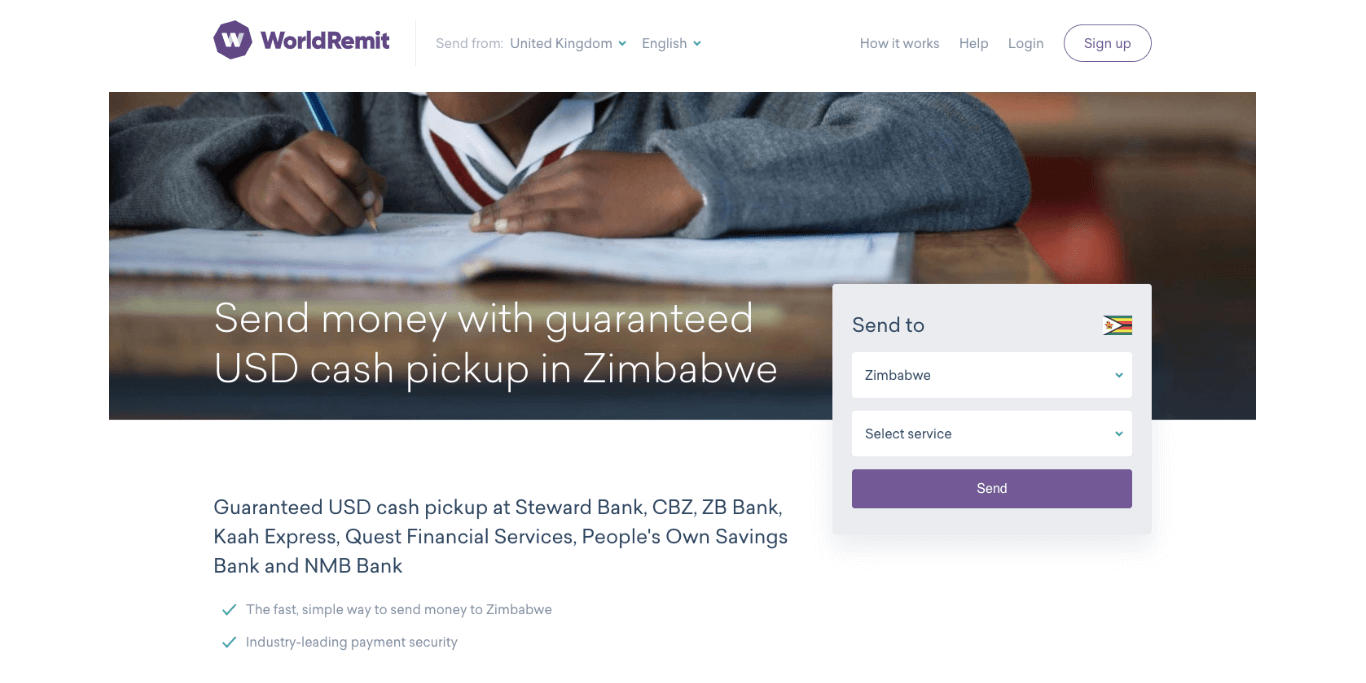
    WorldRemit provides a money transfer service that provides users with a quick, secure and low cost way of sending money to more than 145 countries around the world. In the case of Zimbabwe, they provide a number of options through which recipients can receive money and theses include, bank transfer, cash pickup, mobile money (EcoCash) and airtime top up.

    At this point in time, cash pickup’s are the most logical because at the moment, WorldRemit guarantees USD cash pick up in Zimbabwe. They have partnered with a number of institutions throughout the country from which cash can be collected. They include Steward Bank, CBZ, ZB Bank, Kaah Express, Quest Financial Services and more (click here for a full list of pickup locations).

    To add to their competitive rates and low fees, WorldRemit also has a refer a friend program where users get rewarded with cash to put towards your next transfer. For example, if someone in the UK refers a friend (via a unique code on the refer a friend page), once the friend sends £100 or more, the referrer gets emails and £20 WorldRemit voucher code.

    So, if you have someone overseas looking to send money home or it you yourself want to send money home, consider using WorldRemit; Sign up today and get Zero fees on your first money transfer – use promotion code FREE!
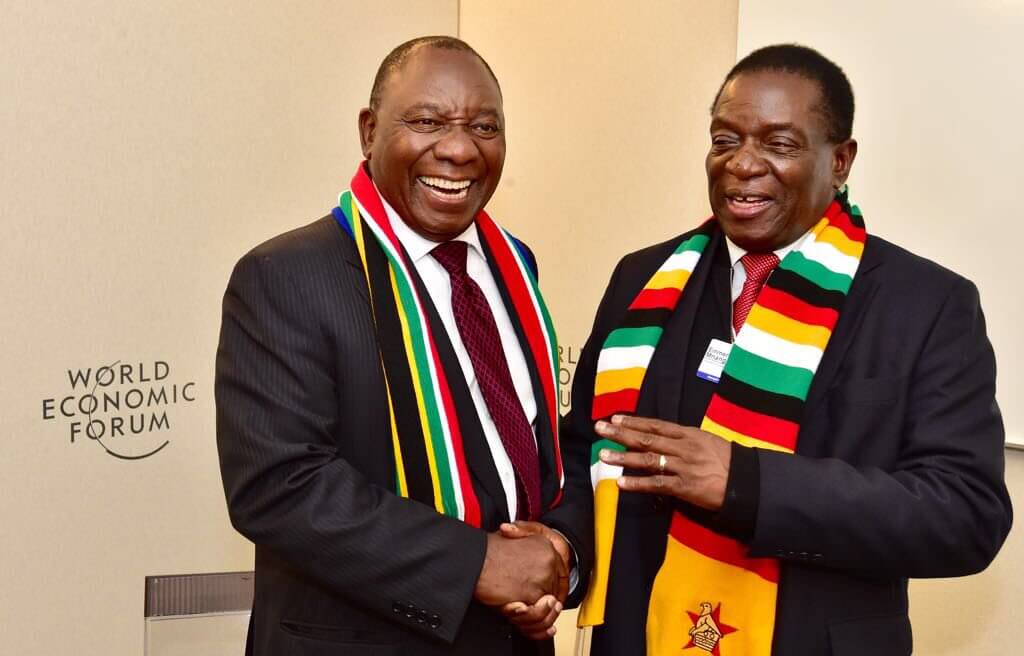

  • Where to get the scarf Emmerson Mnangagwa wore at the World Economic Forum

    Where to get the scarf Emmerson Mnangagwa wore at the World Economic Forum

    The World Economic Forum holds an annual meeting in Davos at the end of January where leaders of politics, business and society converge to discuss various issues facing the world in an effort to make a positive change. It is not very often that a Zimbabwean President is invited to attend the meetings. But, with the recent change in leadership and the ‘West’ seeming to warm up a little to the new president, an invitation was extended.

    President Mnangagwa accepted the invitation and attended the meeting where he sat down with and had televised conversations with the likes of Mishal Husain (BBC) and Richard Quest (CNN) and meetings with amongst other people, Christine Lagarde‏ from the IMF. He was on a major drive to attract investors to Zimbabwe with his key message being, ‘Zimbabwe is now open for business’.

    There has been varying opinion on whether or not what Mnangagwa had to say in Davos would see investment coming into the country. Some were impressed by and others were not so impressed by what he said. Only time will tell if his efforts are able to bridge the divide between Zimbabwe and Foreign Direct Investment.

    Another talking point from the president’s visit to Davos was the scarf he wore (pictured below in ANC President Cde Cyril Ramaphosa’s tweet).

    Once again, there have been mixed feelings about the scarf. Some people have absolutely loved it and are asking where to get their hands on one. Others are not so fond of it and are pointing out the fact that the colours do not follow the sequence of the Zimbabwe flag. But, without knowing the intent of the designer, who is to say what is wrong or right?

    Where to get the ED Scarf

    For those who want to get their hands on the scarf, journalist Hopewell Chin’ono posted the details of the designer (and person selling them) on Twitter. The ED Scarf was designed by Celia Rukato, founder of Chjaa Enterprise, a fabric manufacturing clothing brand. The scarf costs $15 and can be ordered via the following channels:
    email: Chjaa.ent@gmail.com
    mobile (WhatsApp): +263783137263
    address: 28 Transtobac Building, Hillside Road Ext

  • Zimbabwe’s Military coup, Mugabe must go, continuing to live our lives

    Zimbabwe’s Military coup, Mugabe must go, continuing to live our lives

    If you are part of a Whatsapp group or an avid social media user, then mid last week, you would have started getting messages and seeing updates about tanks and military personnel making their way to Harare. On the back of Emmerson Mnangagwa’s recent sacking as Vice-President of Zimbabwe, the Commander of the Zimbabwe Defence Forces General Constantino Chiwenga, released a statement and with the events the followed, many jumped to speculation of a military coup.

    General Chiwenga’s Statement 13 November 2017

    https://www.facebook.com/LivingZimbabwe/posts/2260874480604698

    Early the next morning, there was apparent gun fire and explosions somewhere in Harare, the military went on to take over the Zimbabwe Broadcasting Corporation and eventually made a statement outlining their motivations behind the actions they had taken.

    Major General SB Moyo’s (Chief of Staff Logistics) Statement

    https://www.facebook.com/LivingZimbabwe/videos/2262134067145406/

    This fuelled the speculation even more with many seeing this as that the time finally coming where Mugabe’s reign comes to an end. Yes, there have been suggestions that this is the case. Offical statements have been released here and there but no definitive statement that outlines the way forward for Zimbabwe.

    Very excitable times for many as many want to see Mugabe go and this could be it. On the same token, it is a stressful time for others because with Mugabe gone, their future is uncertain.

    That said, we don’t really know what is going on behind closed doors. We don’t really know what the next few days will bring. Whatever the case may be, it is very clear that the masses want Mugabe gone! As we speak, there are thousands of people of all ages and races are marching in Harare and Bulawayo and freely expressing their sentiments.

    After the march everyone will make their way back home and continue on with their lives. At the end of the day, families need to be fed, bills need to be paid and day to day life has to go on. As far as our leadership is concerned, we don’t as yet know what is going to happen in the short or long time. Some people are getting over excited and on the verge of making irrational decisions. If you aren’t directly link with what is going on between the powers that be, don’t forget to get on with what you need to do to live your life. The challenges that you were facing yesterday may still be there today and may still need to be tackled tomorrow!

  • How do you afford emergency medical care in Zimbabwe?

    How do you afford emergency medical care in Zimbabwe?

    Now and then, we face situations where we are involved in accidents or, things go wrong with our bodies and we need emergency medical attention. During these times we really aren’t left with much of a choice but to seek medical attention in order to get back to a normal or close to normal state of being. Not seeking help could mean death or a diminished quality of life due to health complications.

    Here are two instances from the very recent past where people have been in situations where they needed medical attention.

    One was involved in a car accident resulting in a fractured limb. They went to Parirenytwa and when there, no one seemed too interested in attending to them. Seeing as they weren’t going to get the help they needed, they ended up going to the Avenues Clinic. The other had a sudden onset medical situation that required urgent attention. Given the state of government-run institutions, they decide to bypass Pari and made their way to The Avenues.

    On arrival, both were welcomed into the hospital but before they were attended to, the issue of payment was brought up. The accident victim who wasn’t critical was lucky enough to have some money on them to get treatment started. What they had wasn’t enough to cover all expenses and they had to call upon relatives for a top up to cover all the expenses.

    The other person was critical and required urgent surgery. This person only had some money on them but nowhere near the amount required to cover the costs. Given the situation, surgery was carried out after giving a guarantee that they had access to funds to make full payment. They too had to call upon relatives both locally and abroad (via a WorldRemit transfer) for assistance in order to make up the difference.

    In the end, both got the treatment that they needed after spending well over $1000!

    Even if you do have that amount of money sitting in the bank getting cash out is easier said than done. How do you access the amounts that you need, given the current daily withdrawal limits imposed by the banks? Instead of concentrating on getting treated, people find themselves stressing about how they can or can’t afford to pay for treatment.

    This difficult situation is further compounded by a shortage of (disgruntled) medical personnel, inadequate infrastructure, shortage of drugs and so on.

    The sad thing about events like these is that once upon a time, anyone could walk into a government run hospital, receive good quality care and pay a nominal fee. Nowadays, if you are aged between 5 and 65 years, you can expect to pay $20 for a consultation at a government run hospital. Depending on what prompted you to seek medical attention, the costs can rise. How high they rise depends on any tests, follow up treatments, specialist consultations, medication and so on that may be required.

    What does one do when they clearly need treatment but don’t have the money? Do they seek alternative forms of treatment or do they just go home and hope for the best?

    That begs the question, how do you afford emergency medical care in Zimbabwe?

  • The real cost of free WiFi in Zimbabwe

    The real cost of free WiFi in Zimbabwe

    Zimbabweans and Zimbabwean businesses are becoming more and more connected to the world wide web. This is a good thing because increased connectivity opens us up even more to a world of opportunity. To add to that, from a business point of view, increased connectivity (more so broadband) can increase business process efficiency. But, that said, connectivity costs in Zimbabwe are comparatively higher than those in other countries in the region which makes access somewhat restrictive to the everyday Zimbabwean.

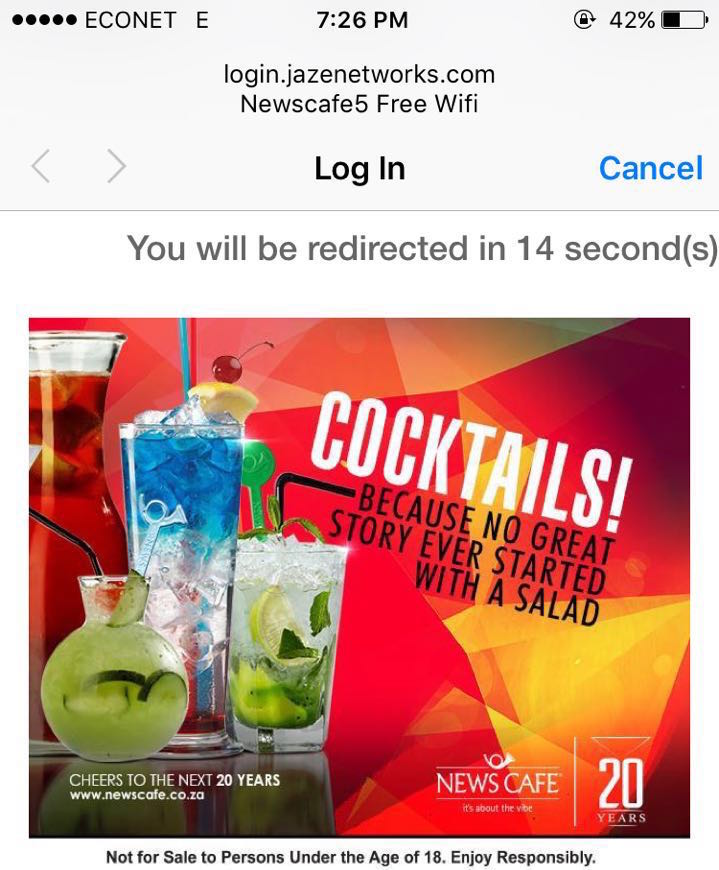
    A number of establishments are as part of their service offering, providing customers with free WiFi. There may however be conditions of use which may include limits on the amount of data available. Or, you may be forced to view an advertisement such as is the case with using the free WiFi at News Cafe.
    (continued below)

    Free-WiFi-News-Cafe-Harare-Zimbabwe-Advertisement-2

    Having free access to the internet would have many jumping for joy, with the cost of having to view an advertisement or having limited data being a small price to pay. But, at the end of the day, the cost of connecting to a free WiFi connection may be much more than you bargained for.

    The risks of using free public WiFi

    When you connect to free WiFi, you don’t know how secure the network is and who else is connected to it. There may be a hacker lurking around who manages to position themselves between you and the WiFi network (Man-in-the-middle attack (MitM)) and gets access to all traffic, therefore ALL the information sent between you and the internet.

    An even more dangerous method that hackers could use when you connect to free WiFi is malware. This is where they install infected software onto your device. The malware can potentially give attackers full access to your device and can take over everything that you do online.

    Once a hacker has a hold of the information that they need, they are free to do the damage that they need to. They could potentially clear out your bank accounts and whatever other damage they may feel they need to inflict depending on what they find.

    How to protect yourself

    The best way to protect yourself on free WiFi is to not connect to a free network in the first place. If that for you is easier said than done, there a options to secure your information and device. One thing to note is that some publications may say that you are safe if accessing an HTTPS website but, with MitM, your data is still accessible to attackers.

    The best way to protect yourself is with a virtual private network (VPN) where all information transferred between you and the internet is passed through a secure tunnel where data is encrypted and out of the reach of attackers. For a brief explanation on what a VPN is, take a look at the video below or read: Become anonymous online with a VPN & prevent the Zimbabwe government from spying on you.

    https://www.youtube.com/watch?v=yC9hsjjvZ2g

    There are a number of VPN options to choose from and some of them come free. But remember, there can be a cost attached to free. As a start, you can take a look at PureVPN, Hide.me (both offer free plans with limited features) and Norton WiFi Privacy as per the video above.

    So, the next time you decide to connect to free WiFi connect, think about what it could really cost you if you don’t have security measures in place.

  • Is Acie Lumumba Capitalising on #ThisFlag?

    Is Acie Lumumba Capitalising on #ThisFlag?

    This week and Wednesday 13 July 2016 in particular, has been quite moving. It was the week in which someone was arrested for inspiring others to speak up. It saw scores of people come together in person at the Harare Magistrates Court and in spirit via social media in support of Pastor Evan Mawarire (#ThisFlag Pastor) at his court appearance. 200 lawyers turned up for his court appearance and hundreds if not thousands or everyday Zimbabweans also turned up with their flags to support and pray for him.

    At the end of the day, Pastor Evan walked out of the courthouse and thanked everyone for their support. What happened on that day went to show that he is someone who is widely loved and revered for what he has done and what he stands for.

    On the other hand, we have Acie Lumumba. He has of late received notoriety for certain actions and opinions. He is someone with whom people have mixed feelings about. Going by discussions that we have engaged in and from comments on social media it’s either that people love him or hate him.
    (Continued below)

    mugabe-vs-lumumba-fufriday-15-july-2016

    Whatever the case may be, he put out a video this week talking about how he did not believe that #ThisFlag would go anywhere. Now that he has seen the traction the movement has gained, he is thankful to Pastor Evan for his efforts.
    (Continued below)

    Question is, was this genuine gratitude and appreciation or him trying to capitalise on the situation to further his own agenda?

    Share your thoughts by leaving a comment below.

  • What to do if WhatsApp gets blocked in Zimbabwe

    What to do if WhatsApp gets blocked in Zimbabwe

    Zimbabwe once again finds itself going tough times and that said, Zimbabweans are speaking out more about their frustrations. Many are sharing their feelings, thoughts and frustrations via social media and other communication platforms such as WhatsApp. The messages have inspired many to speak out and stand up for what they feel is right.

    But, the government does not seem to like what people are doing and saying and has deemed some of these communications as being tantamount to treason. To that effect, POTRAZ put out a statement to inform citizens that communications on social media and WhatsApp will be monitored. They went on the say that people with messages that, “cause despondency, incite violence, threaten citizens and cause unrest, will be arrested and dealt with accordingly in the national interest”.

    If this is of concern to you, you can employ various methods to prevent the Zimbabwe government from spying on you and your online activity.

    As far as WhatsApp goes, the company itself says that they offer end-to-end encryption where the only person who can read a message is the person or group chat it is sent to. They go on to say,

    No one can see inside that message. Not cybercriminals. Not hackers. Not oppressive regimes. Not even us. End-to-end encryption helps make communication via WhatsApp private – sort of like a face-to-face conversation.

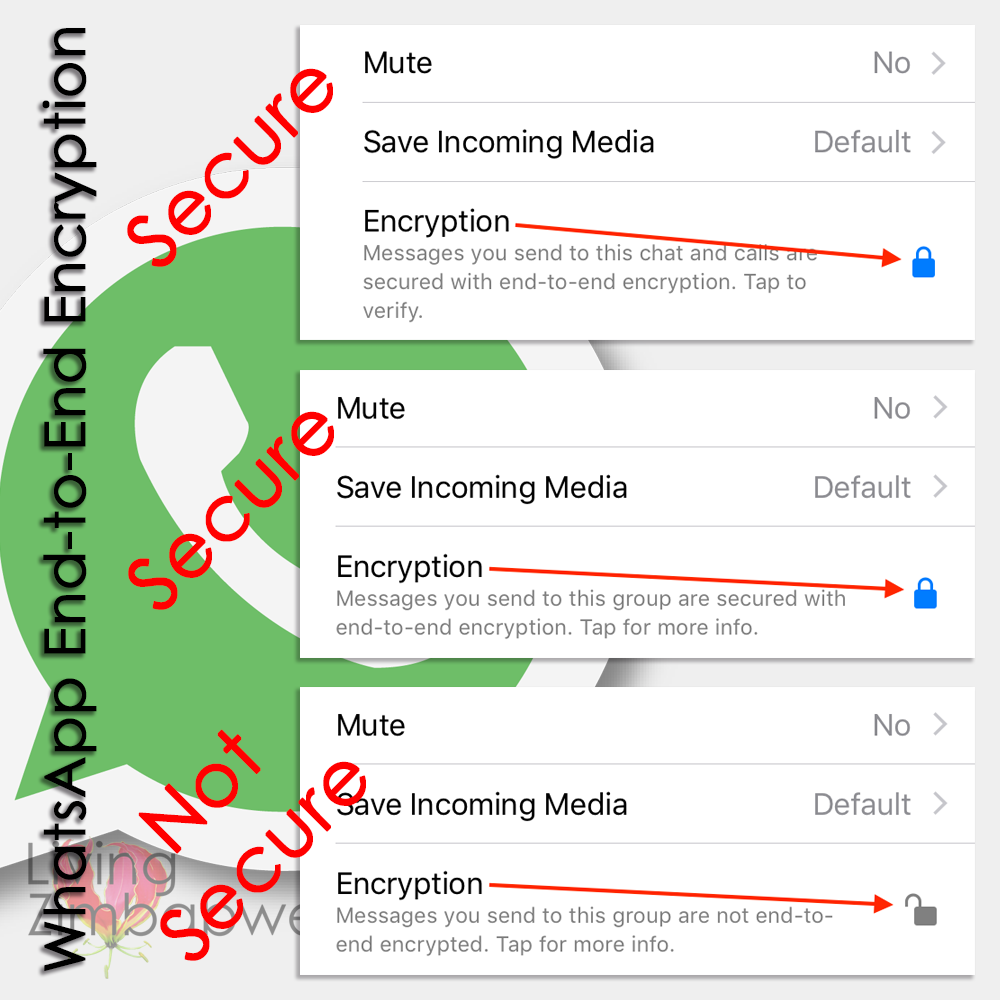
    But, in order for encryption to be activated, all parties within the conversation have to be using the latest version of WhatsApp. Are you and all of your contacts using the latest version? As already mentioned in the post about being spied on (link above) it was mentioned that in the case of a conversation between two people, it is easy enough to get encryption assurance. All you have to do is tell the other person to update their software. In the case of group conversations, that may be easier said than done. All it takes is just one person to not be using the latest version which effectively makes the conversation insecure and open to prying eyes. (continued below)

    WhatsApp-End-to-End-Encryption-Living-Zimbabwe

    More often than not, it is via groups that a number of the messages that the government doesn’t was spread are shared. So, make sure that everyone within your groups is running the latest version. Besides the added security of a VPN, end-to-end encryption is a good way to ensure that you are shielded from prying eyes.

    Another issue that citizens of Zimbabwe faced last week and may well so face in the future is not being able to use WhatsApp. On the 6th of July, many people reported not be able to use it to communicate. This may (or may not) have been the government/service providers blocking there service as a result of #ShutdownZim2016/#ZimShutdown2016.

    How to unblock WhatsApp

    If you do find yourself not being able to use WhatsApp, setup a VPN (virtual private network) and try it out. Not only will it give you an extra layer of security, it will also unblock any services that become blocked by the government and/or ISPs (internet service providers). See the video below (from PureVPN.com) for a brief rundown on what a VPN is and what it can do for you with regards to any apps that may get blocked.

    https://youtu.be/TNuhOvnaua0

    Do you have any other methods that people can use to unblock WhatsApp if it gets blocked in Zimbabwe?

  • Become anonymous online with a VPN & prevent the Zimbabwe government from spying on you

    Become anonymous online with a VPN & prevent the Zimbabwe government from spying on you

    Over the last few weeks, Zimbabweans have been exercising their freedom of speech and especially so via social media and messaging platforms such as WhatsApp. All that you have to do is log into Facebook or Twitter where you will more than likely come across updates from friends expressing their sentiments on the situation in Zimbabwe. If it’s not them expressing their own sentiments then it may be them sharing various content from other Zimbabweans who have had enough. Even if you aren’t active on social platforms but are on WhatsApp, then you will probably have received an image or video of people expressing their feelings.

    Movements such as #ThisFlag which was started by Pastor Evan Mawarire may have been one thing that really got the fire burning. Using the Zimbabwe flag as a centrepiece, it inspired people to share their frustrations online by either uploading a video of them saying what they have to say or them being part of the movement by proudly displaying their Zimbabwean flag. This eventually led to a call to action being made for citizens of Zimbabwe being asked to shut Zimbabwe down and stay away from work because of inaction from the government.

    #ShutdownZim2016/#ZimShutdown2016 took place on 6 July 2016 and it saw city streets being deserted on a day where they would have otherwise been hustling and bustling.

    https://instagram.com/p/BHhDmh9juiW/

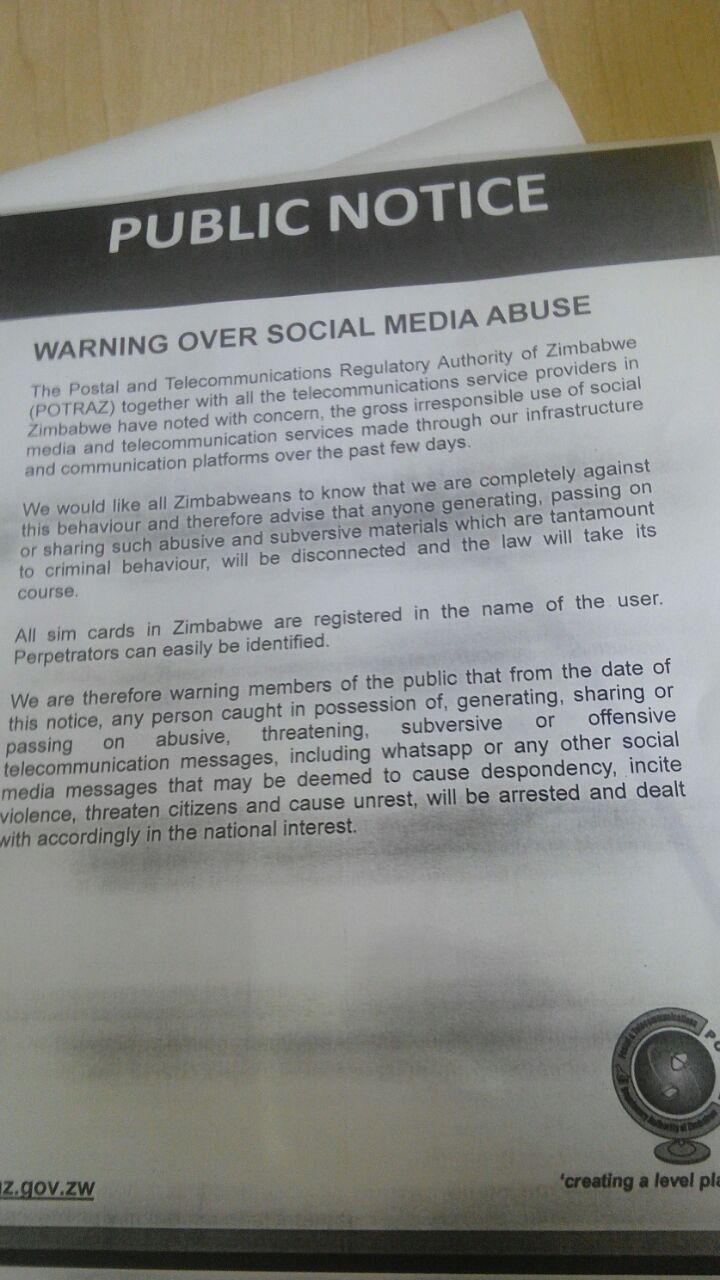
    All of this activity has not gone unnoticed by the government and other associated organisations. The government decided to act on the matter and released a statement via the Postal and Telecommunications Regulatory Authority of Zimbabwe (POTRAZ). The statement served to inform citizens that certain types of communications will not be tolerated in Zimbabwe and anyone caught with or distributing such would be dealt with accordingly. (continued below)

    Warning-Over-Social-Media-Abuse-POTRAZ

    An extract of the statement reads:

    “All sim cards in Zimbabwe are registered in the name of the user. Perpetrators can easily be identified. We are therefore warning members of the public that from the date of this notice, any person caught in possession of, generating, sharing or passing on abusive, threatening, subversive or offensive communication messages, including WhatsApp or any other social media messages that may deemed to cause despondency, incite violence, threaten citizens and cause unrest, will be arrested and dealt with accordingly in the national interest,”

    Strangely so, on the 6th of July, scores of people were not able to use WhatsApp. Was this the government showing that it has the ability to block various forms of communication in their interests? A tweet by Jonathan Moyo caused a bit of a stir as some people took it as an informal admission that there would be difficulties using WhatsApp.

    Whatever the case may be, as far as blocking certain services go, who knows what the government is or isn’t capable of doing? Internet traffic, yes, that is easy enough to monitor. But, services like WhatsApp do say they have end to end encryption which only works when all parties are using the latest version of WhatsApp. More often than not, groups messages aren’t secure. If only one person in the group has not updated their WhatsApp then messages within the group won’t be secure. Are you part of a group that frequently discusses and shares content that could result in your arrest?

    You never really know who may be monitoring your online activity and even with services that say they encrypt data, you can’t always take their word for it. The best thing you can do for yourself if you are concerned about the possibility of being spied upon by the authorities or other unscrupulous individuals online, is to install a VPN.

    What is a VPN (Virtual Private Network)

    Besides giving you a good layer of protection, a VPN which is a virtual private network does three main things and that is to keep you secure online, makes you invisible online and give you internet freedom (being able to access content and/or services that have been blocked by your service provider or government).

    It creates a secure tunnel (so to speak) between you and whatever you are accessing on the internet. A VPN hides your IP address and location and makes you appear as if you are in a location (country) different to where you actually are. It also encrypts your communication thus preventing, hackers, your ISP (internet service provider) and the government from accessing, tracking and monitoring you. Because it gives you the ability to choose your location, this allows you to use services that may otherwise become blocked in Zimbabwe.

    VPNs can be installed on Windows, Mac, iOS, Android and other devices that connect to the internet such as TVs and game consoles.

    How do I set up a VPN

    If you are technically inclined, it is possible to set up your VPN server at home. To set one up on your own, there is a wealth of information on Google on how to do this. Be aware that if the setup is not done correctly it can leave you vulnerable, leaving your IP address and data being visible to prying eyes.

    The other way of setting up a virtual private network is through one of the many VPN providers put there. Most of these providers offer easy setup options that will see your network up and running in only a few clicks. Most of them do come at a cost but some offer free service options that will get you up and running. Hide.me and PureVPN.com offer free options that give 2GB data transfer per month.

    Now it’s time for you to take a look at your digital life and ask yourself, ‘is my data secure and is my online activity hidden from the government or anyone else who might want to spy on me’?

  • Become anonymous online with a VPN & prevent the Zimbabwe government from spying on you

    Over the last few weeks, Zimbabweans have been exercising their freedom of speech and especially so via social media and messaging platforms such as WhatsApp. All that you have to do is log into Facebook or Twitter where you will more than likely come across updates from friends expressing their sentiments on the situation in Zimbabwe. If it’s not them expressing their own sentiments then it may be them sharing various content from other Zimbabweans who have had enough. Even if you aren’t active on social platforms but are on WhatsApp, then you will probably have received an image or video of people expressing their feelings.

    Movements such as #ThisFlag which was started by Pastor Evan Mawarire may have been one thing that really got the fire burning. Using the Zimbabwe flag as a centrepiece, it inspired people to share their frustrations online by either uploading a video of them saying what they have to say or them being part of the movement by proudly displaying their Zimbabwean flag. This eventually led to a call to action being made for citizens of Zimbabwe being asked to shut Zimbabwe down and stay away from work because of inaction from the government.

    #ShutdownZim2016/#ZimShutdown2016 took place on 6 July 2016 and it saw city streets being deserted on a day where they would have otherwise been hustling and bustling.

    https://instagram.com/p/BHhDmh9juiW/

    All of this activity has not gone unnoticed by the government and other associated organisations. The government decided to act on the matter and released a statement via the Postal and Telecommunications Regulatory Authority of Zimbabwe (POTRAZ). The statement served to inform citizens that certain types of communications will not be tolerated in Zimbabwe and anyone caught with or distributing such would be dealt with accordingly. (continued below)

    Warning-Over-Social-Media-Abuse-POTRAZ

    An extract of the statement reads:

    “All sim cards in Zimbabwe are registered in the name of the user. Perpetrators can easily be identified. We are therefore warning members of the public that from the date of this notice, any person caught in possession of, generating, sharing or passing on abusive, threatening, subversive or offensive communication messages, including WhatsApp or any other social media messages that may deemed to cause despondency, incite violence, threaten citizens and cause unrest, will be arrested and dealt with accordingly in the national interest,”

    Strangely so, on the 6th of July, scores of people were not able to use WhatsApp. Was this the government showing that it has the ability to block various forms of communication in their interests? A tweet by Jonathan Moyo caused a bit of a stir as some people took it as an informal admission that there would be difficulties using WhatsApp.

    Whatever the case may be as far as blocking certain services go, who knows what the government is or isn’t capable of doing? Internet traffic, yes, that is easy enough to monitor. But, services like whatsapp do say they have end to end encryption which only works when all parties are using the latest version of WhatsApp. More often than not, groups messages aren’t secure. If only one person in the group has not updated their WhatsApp then messages within the group won’t be secure. Are you part of a group that frequently discusses and shares content that could result in your arrest?

    You never really know who may be monitoring your online activity and even with services that say they encrypt data, you can’t always take their word for it. The best thing you can do for yourself if you are concerned about the possibility of being spied upon by the authorities or other unscrupulous individuals online, is to install a VPN.

    What is a VPN (Virtual Private Network)?

    Besides giving you a good layer of protection, a VPN which is a virtual private network does three main things and that is to keep you secure online, makes you invisible online and give you internet freedom (being able to access content and/or services that have been blocked by your service provider or government).

    It creates a secure tunnel (so to speak) between you and whatever you are accessing on the internet. A VPN hides your IP address and location and makes you appear as if you are in a location (country) different to where you actually are. It also encrypts your communication thus preventing, hackers, your ISP (internet service provider) and the government from accessing, tracking and monitoring you. Because it give you the ability to choose your location, this allows you to use services that may otherwise become blocked in Zimbabwe.

    VPNs can be installed on Windows, Mac, iOS, Android and other devices that connect to the internet such as TVs and game consoles.

    How do I set up a VPN?

    If you are technically inclined, it is possible to set up your VPN server at home. To set one up on your own, there is a wealth of information on Google on how to do this. Be aware that if the setup is not done correctly it can leave you vulnerable, leaving your IP address and data being visible to prying eyes.

    The other way of setting up a virtual private network is through one of the many VPN providers put there. Most of these providers offer easy setup options that will see your network up and running in only a few clicks. Most of them do come at a cost but some offer free service options that will get you up and running. Hide.me and PureVPN.com offer free options that give 2GB data transfer per month.

    Now it’s time for you to take a look at your digital life and ask yourself, ‘is my data secure and is my online activity hidden from the government or anyone else who might want to spy on me’?

  • How to beat Zimbabwe’s Bond Notes

    How to beat Zimbabwe’s Bond Notes

    Our economy has been through all sorts in the last few years. It’s has gone from a functional Zimbabwe dollar to a dysfunctional dollar that saw unprecedented levels of hyperinflation that caused all sorts of chaos. It got to a point where it didn’t make sense to transact in our own currency where trillion dollar notes were being exchanged for goods and services. This crisis eventually led to businesses and traders alike resorting to only accepting foreign currency with the government also conceding and adopting the multi currency economy we live in.

    The acceptance and use of multiple currencies eased a lot of pressure for many a Zimbabwean even though many may not of have respected the mighty US dollar for the value it holds. But, the adoption of all of these currencies has also brought about its own challenges such as really dirty money which is something we now just live with but now, it’s getting harder to get a hold of actual physical cash, dirty or not.

    Besides dirty money, the multi currency economy has brought about a cash crisis/liquidity crisis where citizens just don’t have cash in hand. You may have a bank account that says you have $xyx in it but getting that money may be easier said than done. People just don’t have the cash that they need to get on with their daily lives.

    That said, banks are now putting daily limits on withdrawals, travellers can only take certain amount of money out of the country and business looking to import products have to go through a tedious process in order to pay for their imports.

    The ongoing crisis has spurred the Reserve Bank of Zimbabwe (RBZ) to take action with that being them announcing the introduction of bond notes. We already have a few million dollars worth of bond coins floating around the country, coins that some people still won’t accept.

    The looming injection of bond notes into the economy has freaked out quite a few people. Why? They see it as the return of bearer cheques that saw us transacting in billions and trillions. The RBZ has picked up on public concern and have tried to allay fears. They have put out statements such as they will not replace the current multi currency and that more bond notes will not be printed at will. But, this is all just a wait and see.

    Whatever the case may be, hope is still there that we may one day (sooner rather than later) get back to having a stable economy.

    Some people are taking to hilarity maybe as a way of coping with what may come. One example was in the form of a WhatsApp forward that outlined practical steps to getting by in a bond note economy:

    10 practical steps to beating Bond Notes

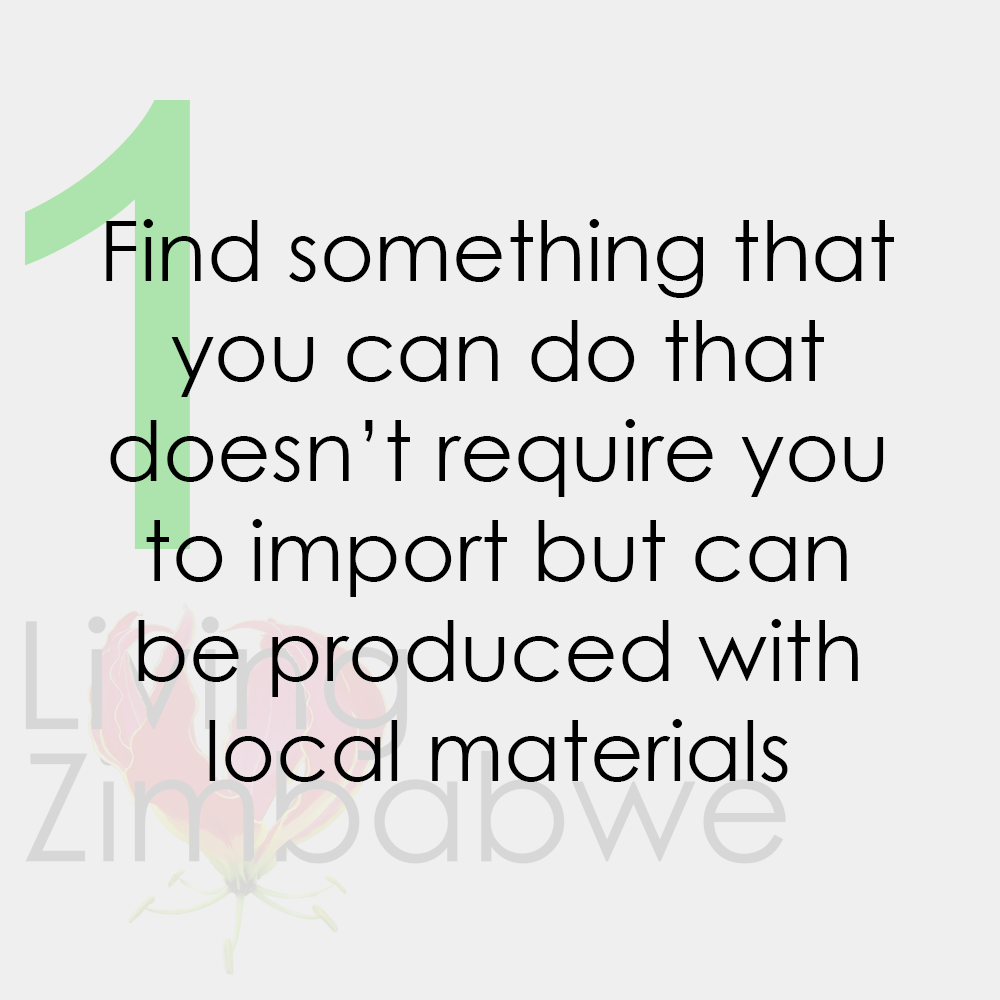
    1. Find something that you can do that doesn’t require you to import but can be produced with local materials.

    Local-Materials-Surviving-Zimbabwe-Bond-Notes-LZ

    2. Find something that you can export.

    Export-Surviving-Zimbabwe-Bond-Notes-LZ

    3. Don’t sell your assets.

    Keep-Assets-Surviving-Zimbabwe-Bond-Notes-LZ

    4. If you have a kumusha, buy cattle now, especially if your home area hasn’t been hit by drought.

    Buy-Cattle-Surviving-Zimbabwe-Bond-Notes-LZ

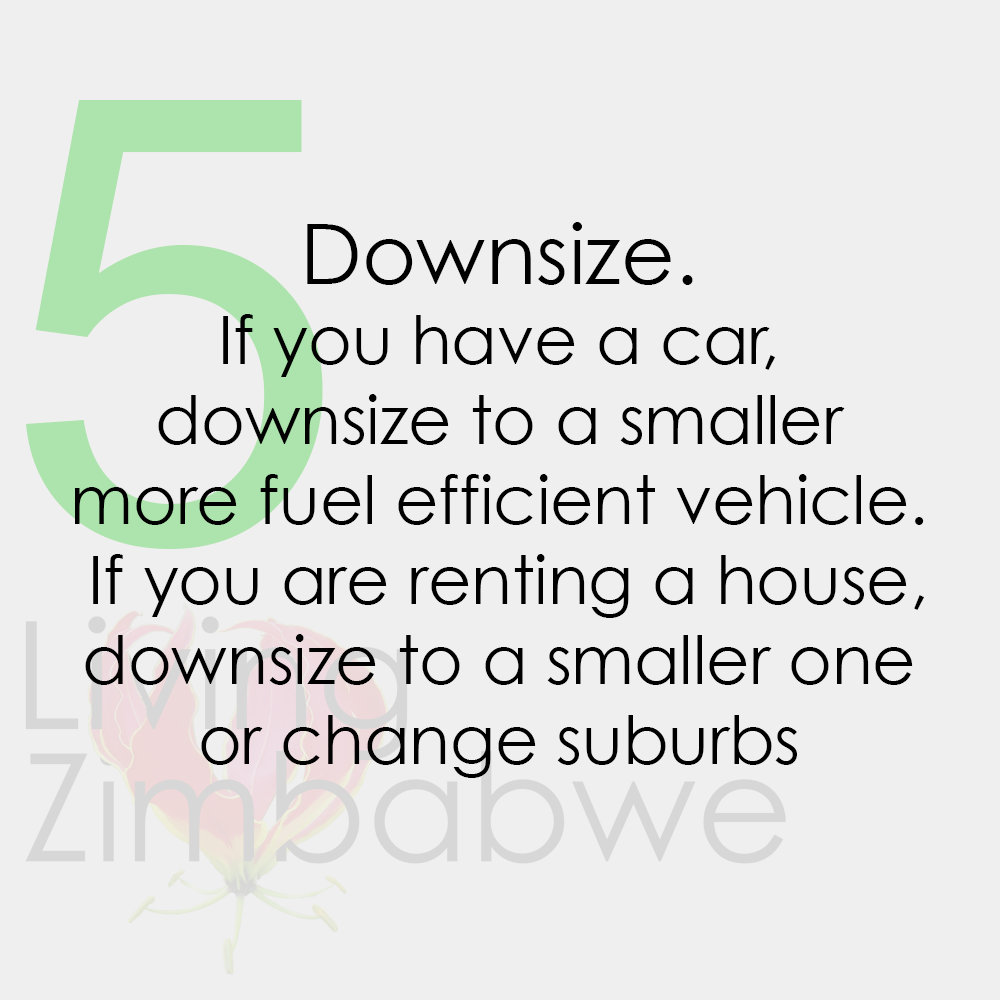
    5. Downsize. If you have a car downsize to a smaller and more fuel efficient vehicle. If you are renting a house, downsize to a smaller one or change suburbs.

    Downsize-Surviving-Zimbabwe-Bond-Notes-LZ

    6. Don’t do things for prestige. Send your children to a school you can afford.

    Affordability-Surviving-Zimbabwe-Bond-Notes-LZ

    7. If you have space, grow vegetables and/or breed chickens (and zvihuta!).

    Grow-Vegetables-Breed-Zvihuta-Surviving-Zimbabwe-Bond-Notes-LZ

    8. If you are renting but have a stand elsewhere, move to your stand. Build something basic and live there. Forego luxury living.

    Forego-Luxury-Surviving-Zimbabwe-Bond-Notes-LZ

    9. If you are married don’t fight over money. Hapana hapana. Put your heads together and think of survival tactics instead of fighting and accusing each other. Not everyone can sell things or be a vendor.

    Dont-Fight-Survive-Surviving-Zimbabwe-Bond-Notes-LZ

    10. Be at peace! This is important. Stress levels will go up. They are already up! Don’t be a victim of things that are not in your control. Speak to others, pray with others and attend church even more. Hearing the word of God heals the broken hearted.

    Be-At-Peace-Surviving-Zimbabwe-Bond-Notes-LZ

    How do you plan on surviving the bond note economy?