Here is a preacher who took it upon himself to go onto 1st Street in Harare to set-up a pulpit and preach to whoever would listen. He was preaching about how this is the year to prosper and that they only way to get there is with God by your side.
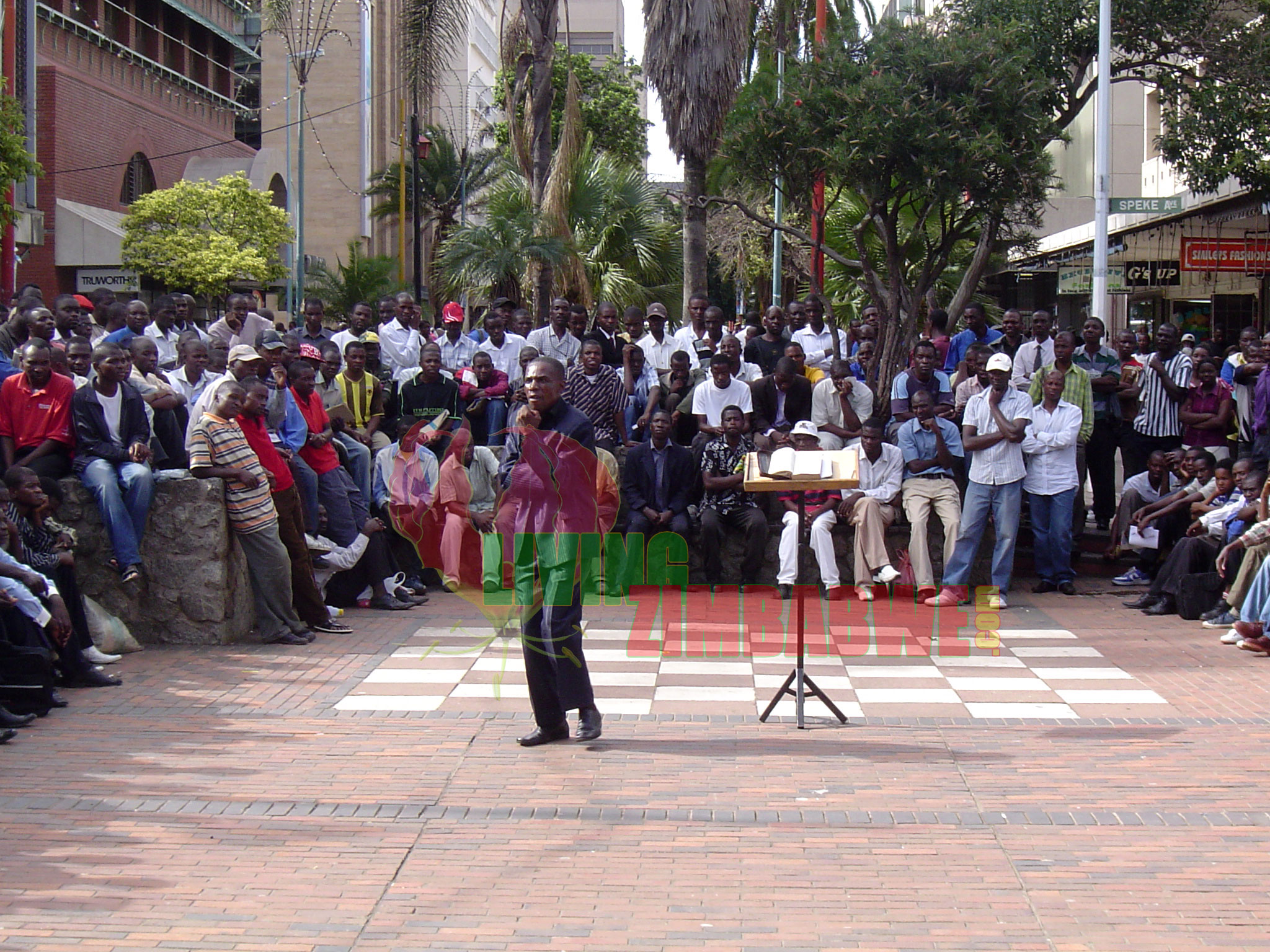
Here is a preacher who took it upon himself to go onto 1st Street in Harare to set-up a pulpit and preach to whoever would listen. He was preaching about how this is the year to prosper and that they only way to get there is with God by your side.
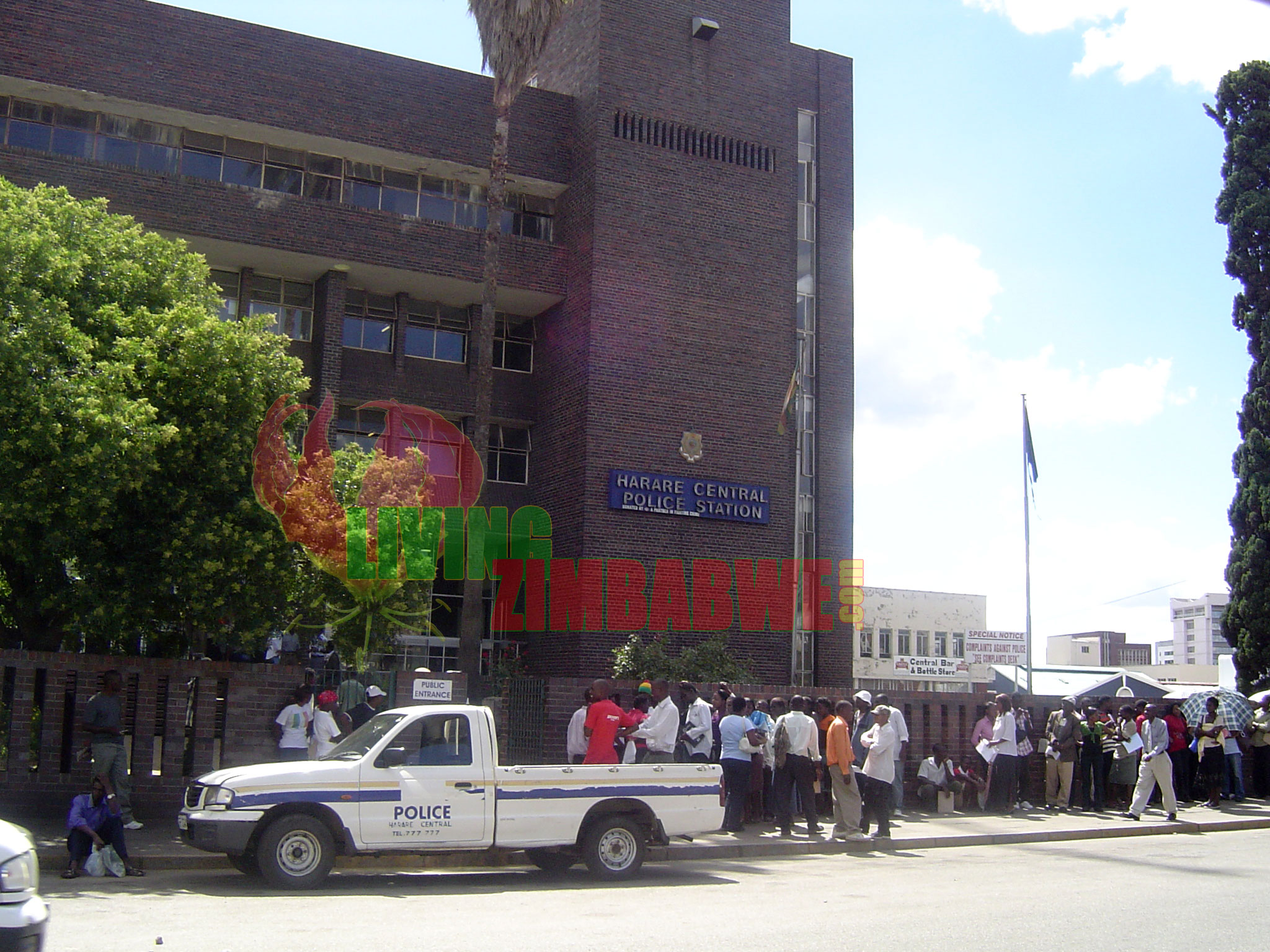
Getting arrested in Zimbabwe and being taken to any police station let alone Central is something you want to avoid at all costs. Guilty or not, once you are in a position where you are being taken to station, bribe them to get out of it. In most instances, the police are more than willing to take a few dollars to look the other way. Bribery and corruption is part and parcel of life in Zimbabwe.
[ad#Adsense 468×60, Posts]

Here are photos of a couple of billboards that are dotted around the place. They serve to get those with a small house to think about the possibility of their small house having someone else. This goes to show that this culture is recognised as a major problem in the fight against HIV/AIDS.

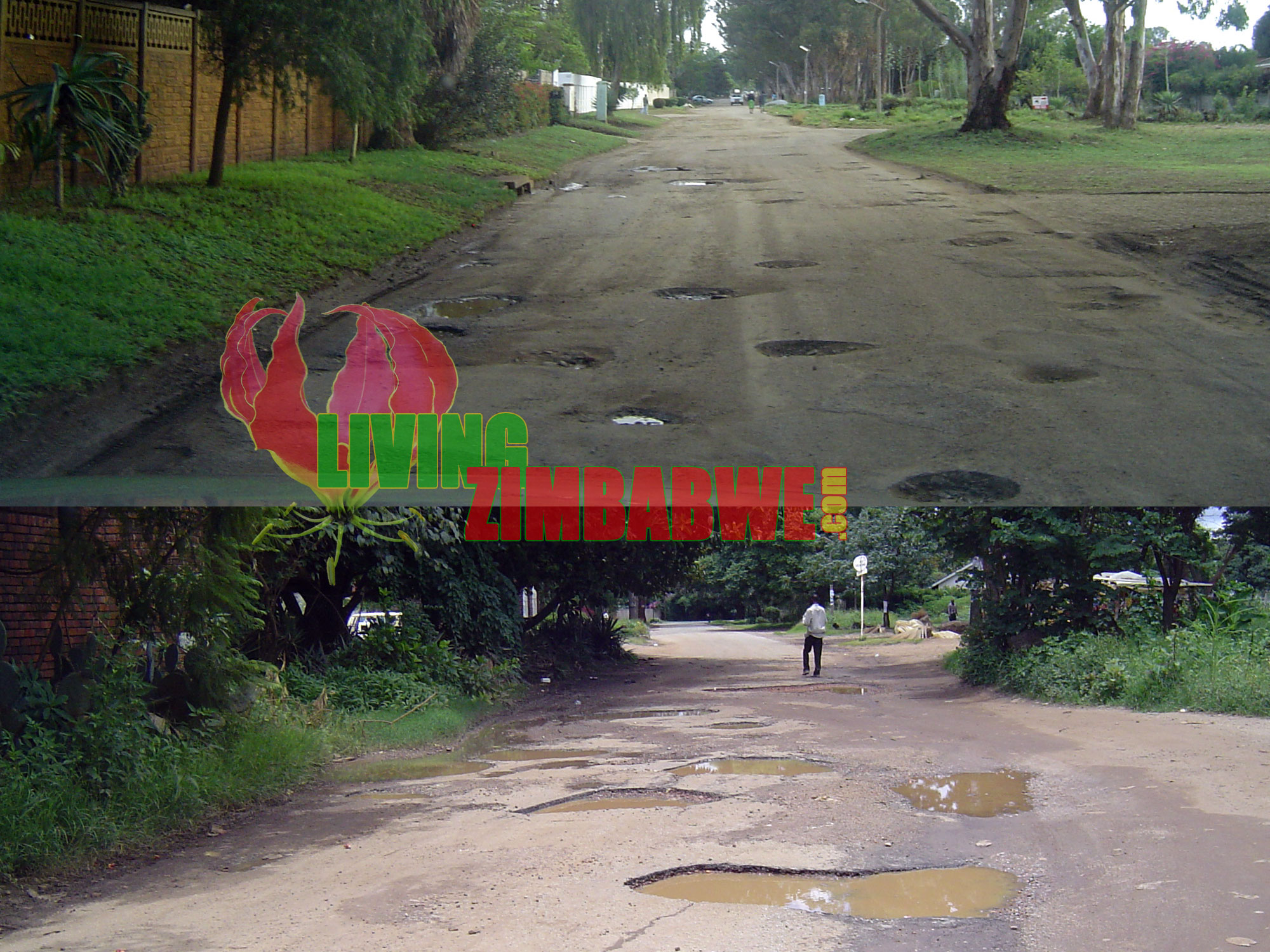
One thing that you will be hard pressed to not find on the streets of Harare are potholes. Some roads are good with only one or two potholes here and there whilst others are really bad to the point where no matter what you do, you wont be able to avoid them (click on images for larger view).
When looking at and thinking about the state of the roads the notion of thinking about where to start fixing them is overwhelming! Surprisingly enough though, earlier in the year, it looked like strides were being made to get the roads back to an acceptable and safe standard. After driving down roads on a regular basis, you get to know where all the potholes are and how to avoid them but some potholes on various roads were being filled in with tar and the funny thing is that it felt odd to be driving down them and not have to play the game of dodging potholes.
Before then, some people took it upon themselves to try and improve the conditions of certain stretches of road by filling the potholes with concrete or ruble. This was only probably being done because it may have been the road that they live on or use on a regular basis and have a vested interest in the longevity of their vehicles. People who have been unlucky enough to hit a pothole hard enough have come off second best with two flat tyres, cracked rims, cracked suspensions and the list goes on.
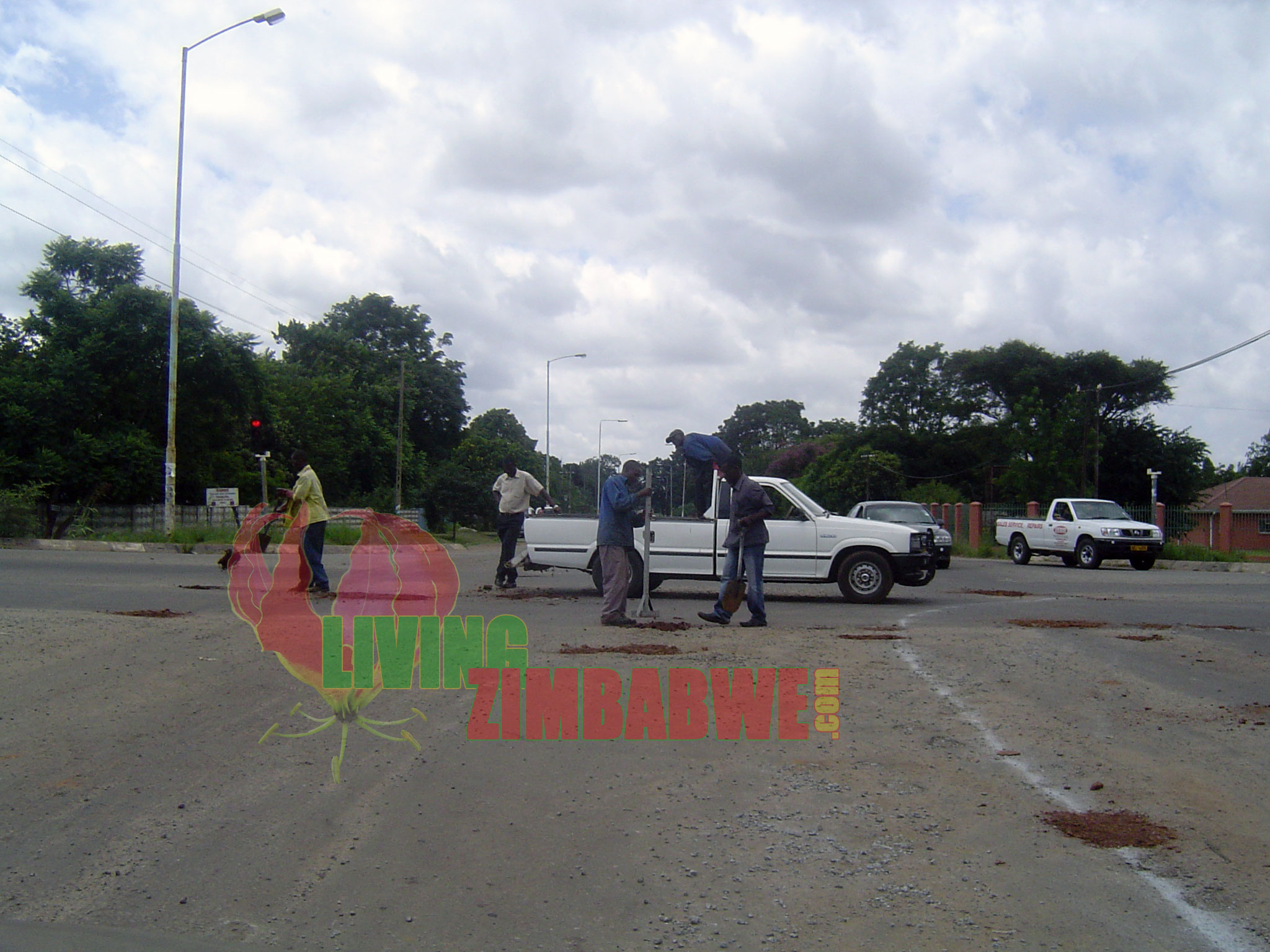 Some people have gone as far as trying to capitalize on the situation to try and make a few dollars. One such scenario was when two men took it upon themselves to fill a relatively big pothole in the middle of a busy road. The pair worked away breaking bricks with metal poles with home made cardboard signs on either side of them that read something along the lines of ‘filling potholes voluntarily and donations of $1 or 50c are kindly accepted’. I didn’t see anyone stop to make a donation.
It is going to take a lot to get the roads of Zimbabwe back to an acceptable and safe condition. In the meanwhile it is going to continue to cost vehicle owners a fair amount of money as they try to keep up with repairing damage caused by potholes.
People in Zimbabwe love being on their cell phones. To see them in action all you need to do is walk on the streets of Harare and you will see that every Tom, Dick and Chikwama has a cell phone and a number of them are using it. People are beginning to access the internet more and more both via computers or a 3G mobile phone if they are lucky enough to have a 3G subscription and be able to afford Econets monthly subscription fee. There are however some spots in Harare where you can get free Wi-Fi access. These include the Harare Information Centre at Unity Square and a major hotel (whose name I will not mention for obvious reasons) in the city whose network you can access but may not actually be free. It is not rare to find people sitting outside HIC or in the hotel parking lot and taking advantage of the free connection.
However, using the internet in Zimbabwe is an extremely painful process especially if you are accustomed to using broadband connections that are reasonably fast (lets say 10-25 Mbps). Even if you connect to a number of broadband connections you disconnect a while later disappointed that you didn’t achieve what you wanted to or could have achieved. It’s after experiences like that that you get to appreciate fast connections. It is then that you also get to have a bit of an idea about what people mean when they say that in a business setting, internet connection speeds have effects on efficiency and productivity.
The country does seem to be moving in the right direction and working towards making fast and reliable internet a reality. As already mentioned you can connect to the web via Econet’s 3G network if you were lucky enough to get your hands on a connection before the suddenly stopped signing up new subscribers. It has been reported that Econet is laying down their own fibre optic cables as well as launching a 4G network. Information Technology Minister Nelson Chamisa also recently announced that Zimbabwe have started laying down a fibre optic link that would connect Zimbabwe to the Beira under-sea cable. If this project does go to completion it will be welcome news for all who access the internet as it could lead to true broadband being available. The only question that stands if it does happen is that of how much it will cost. At the moment accessing the internet is not cheap. You can visit various ISP websites such as ZOL, Africa Online or YoAfrica just to name a few.
These are all very exciting developments that will have a number of positive flow on effects. Telecoms penetration rates are high in Africa and this could present a number of investment opportunities for locals, Diasporans and foreigners who want to cash in on what Zimbabwe has to offer. Please don’t take cashing in to me people literally taking advantage off, cashing in and running away after leaving a big mess. Cashing-in in this context could mean returns on capital investment or profits on sales of devices perfect for mobile browsing such as netbooks, smartphones and the recently released iPad.
Are you going to take part in the internet revolution that is about to hit Zimbabwe?
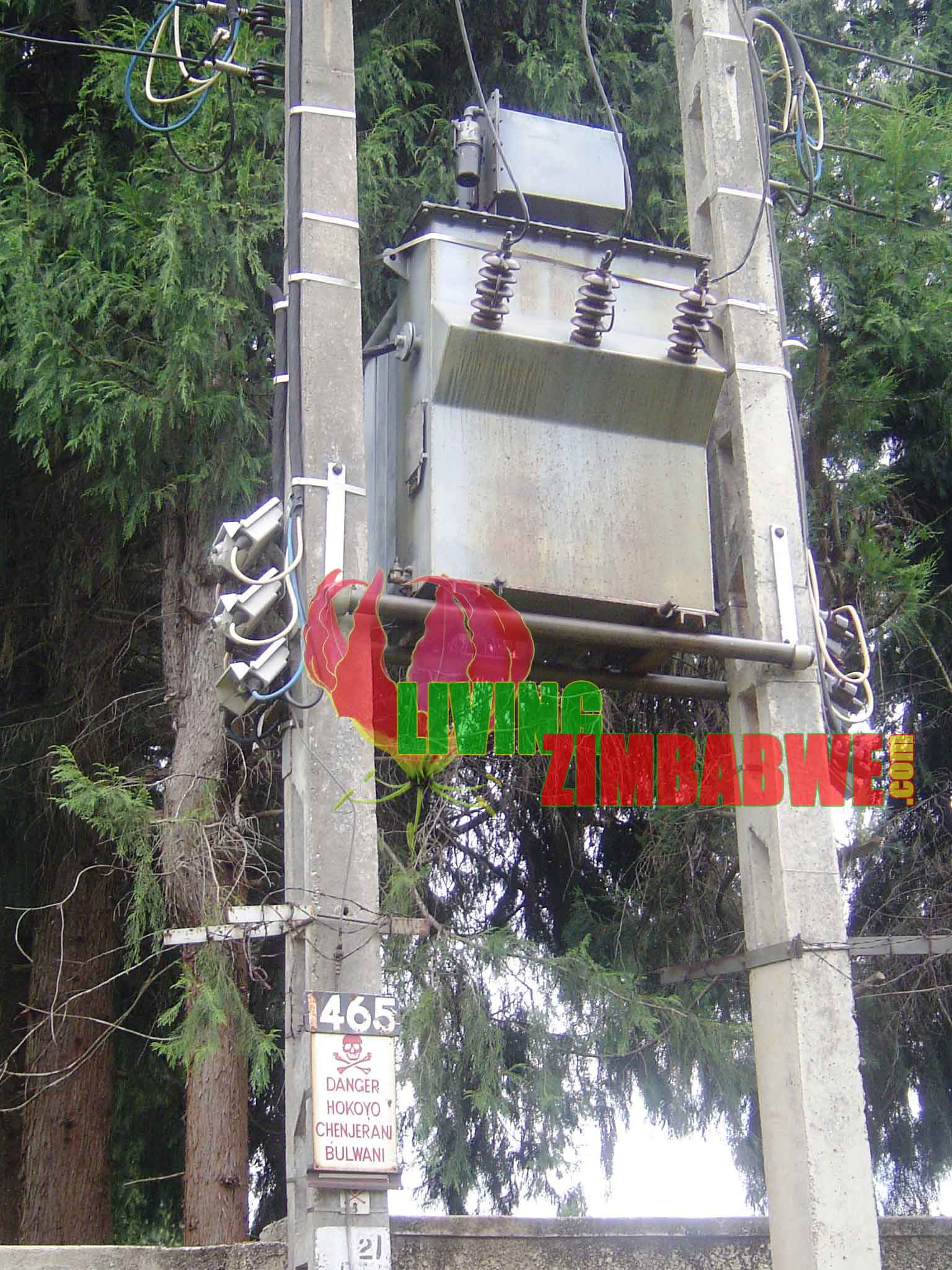 One thing that you get used to in Zimbabwe is the erratic electricity supply. The outages can last from hours to days to weeks to months. Some areas may experience outages on a daily basis and in other areas it may only happen every other day. A lot of the time the outages are due to load shedding courtesy of the Zimbabwe Electricity Supply Authority (ZESA) but some are a result of blown power transformers where it could take weeks or months before power is restored.
Oil theft is to blame for the blown transformers and this seems to be a common occurrence that is happening all over the place. If it is indeed oil theft, only those who are stealing it know what they are doing with it. People are however speculating that they are selling it off to companies in industrial areas, other say that it is being sold to welders to be used in welding machines and some have even gone on to say that they selling it ZESA.
[ad#Adsense 250×250 white-posts]
Whatever the case may be, this is a very selfish act because they are not only leaving people without power for weeks on end, the transformers have to be repaired or replaced and that comes at a cost. Take for example the transformer shown in this post (click on image for larger view). Oil was stolen from it and ZESA informed residents that it could not be repaired and needed to be replaced at a cost of US $12,000. Depending on how lucky you are, ZESA may or may not come to your rescue. In some instances residents who find themselves without power due to thefts have had to band together and come up with the money to get a new transformer. Some even go as far as hiring a security guard to watch over it thus ensuring it does not happen again.
Questions that come to mind are; would someone in the right mind who has not worked with that kind of equipment disassemble and steal oil from it? Given that they are fiddling around with high voltages where the chances of death are extremely high. That gets you thinking about who would go ahead and attempt to do such. Could it be people working for ZESA or former employees?
The money that these thieves get from carrying out this act can’t compare to the inconvenience that it puts people through and the amount of money needed to restore things back to normal. Is all of that worth an amount of money that may not take you too far?
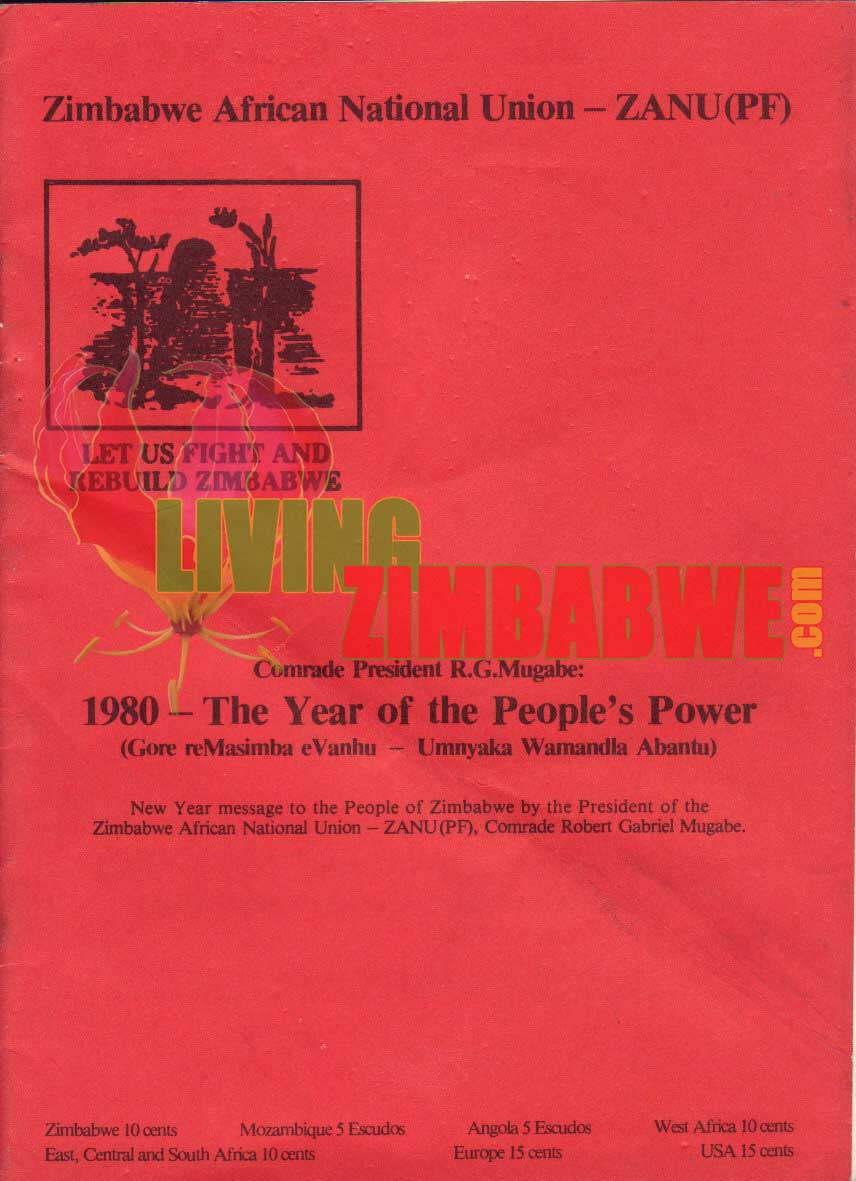
1980 – The Year of the People’s Power (Gore reMasimba eVanhu – Umnyaka Wamandla Abantu) is a publication that was put out in 1980. It is a New Year Message to the people of Zimbabwe by Comrade Robert Gabriel Mugabe, the President of the Zimbabwe African Union ZANU (PF).
In it, he talks about the revolutionary triumphs and misfortunes that they face along the way. It also touches on the progress of certain objectives such as the ZANLA Forces Eleven Tasks, British colonisation, traitorous puppets working against the victorious Zimbabwean masses and other significant events in the liberation war (Chimurenga).
Here is an excerpt of the first two paragraphs:
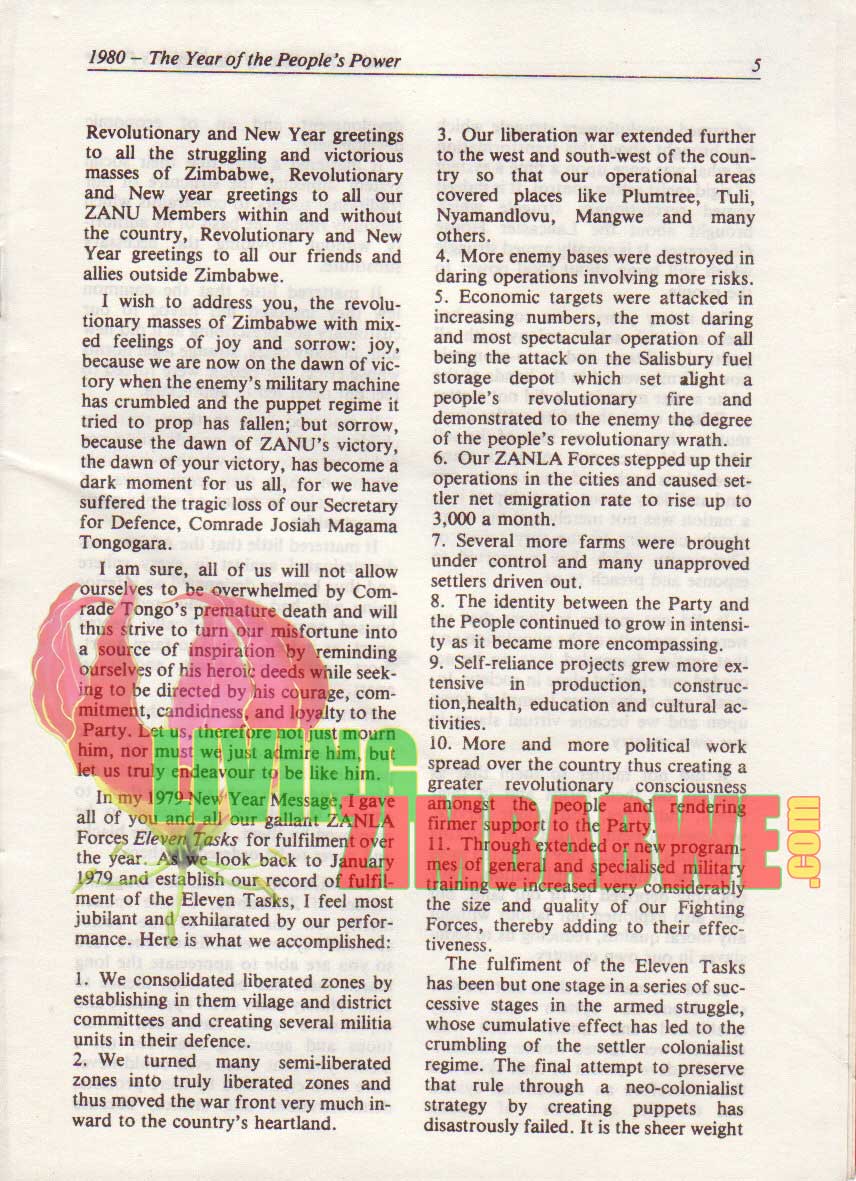 Revolutionary and New Year greetings to all the struggling and victorious masses of Zimbabwe, Revolutionary and New year greetings to all our ZANU Members within and without the country, Revolutionary and New Year greetings to all our friends and allies outside Zimbabwe.
I wish to address you, the revolutionary masses of Zimbabwe with mixed feelings of joy and sorrow: joy, because we are now on the dawn of victory when the enemy’s military machine has crumbled and the puppet regime it tried to prop has fallen; but sorrow, because the dawn of ZANU’s victory, the dawn of your victory, has become a dark moment for us all, for we have suffered the tragic loss of our Secretary for Defence, Comrade Josiah Magama Tongogara.
The full 12 page publication is available in PDF format for US$0.50. To purchase the publication visit the Living Zimbabwe Store or by clicking on the Buy Now button below which will take you through to PayPal
[wpsc_products category_id=’3′ number_per_page=’1′]
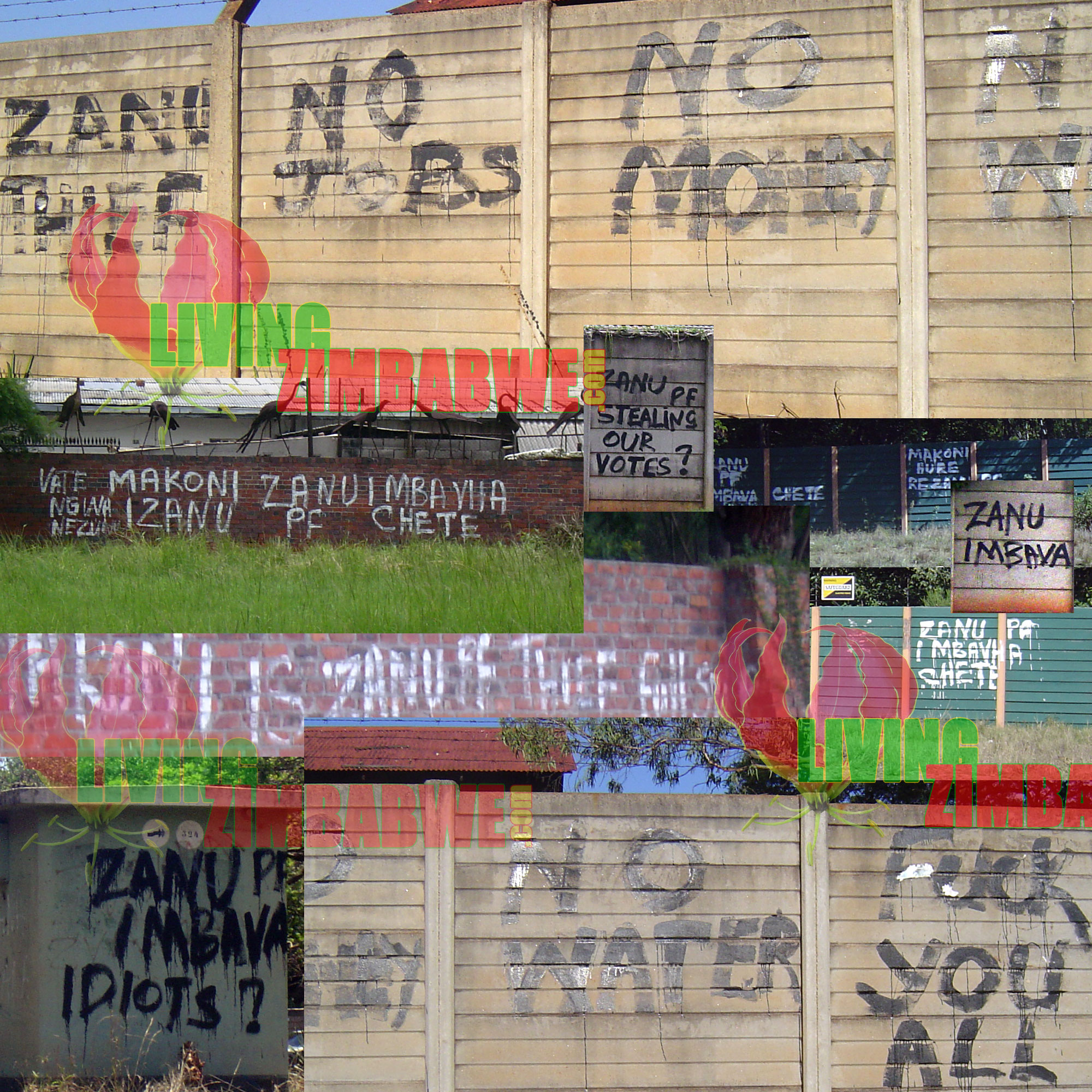
Driving around Harare, it is hard not to notice graffiti dotted all over the place. Most the graffiti is politically motivated and expresses people’s sentiments on the state of certain affairs in Zimbabwe. A lot of the graffiti points towards disdain for President R. G. Mugabe and Zanu PF and even towards the Chinese who are increasing in number in Zimbabwe.
Sometimes it is really not that hard to see where people stand with political issues. When listening to political conversations/debates there will be those who 100% support the actions of the last few years and those who clearly have a deep seeded hatred for Mugabe and members of Zanu PF because of their actions, attitudes and stance on various issues. Those with that deep seeded hatred have said that no matter what steps are put in place to rectify situations, they still would not find it in their heart to forgive.
If people were to step up to the plate and publicly acknowledge wrongdoings and ask for forgiveness, would you find it in your heart forgive?
Below are only just a few examples of what people had to say:
[ad#Adsense 468×60, Posts]
I had an issue with my laptop which I could not rectify myself. I had to resort to calling the manufacturer (they have a presence in Zimbabwe) to ask if they could take a look at it and when I could bring it in etc. One thing that surprised me was that before I even got a chance to talk to a technician, the lady who answered the phone was telling me all sorts about ‘surge’. She asked me if my machine was still under warranty which it was and then went on to tell me that “Zimbabwe has a problem with surge” and if that is what affected the machine then it would not be covered by the warranty. What got to most was her saying all of that before I had a chance to tell her or a technician what was going on with the machine. So, my advice to you is, if you are taking surge sensitive electronics to Zimbabwe, make sure you have surge protection!
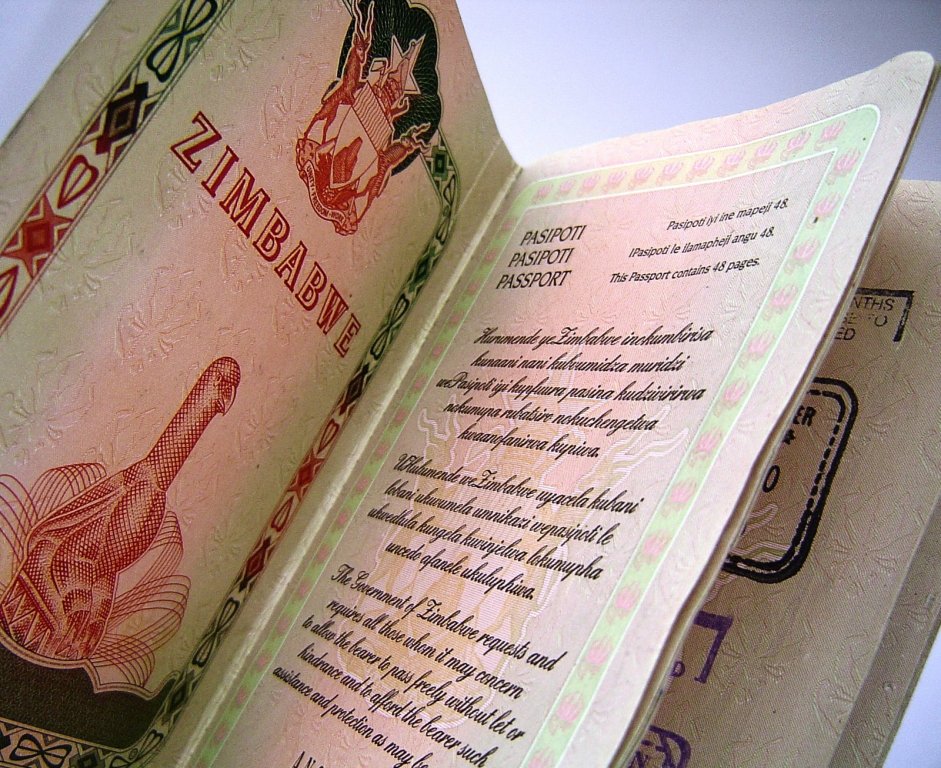 To be frank, the Registrar-General’s Makombe building passport office experience was a ‘bitch’! Hoards of people, queues that at first didn’t make sense, civil servants full of attitude, soaring summer time temperatures, irritable applicants and the list goes on.
When I first went over there to check what the price of a new passport was, it did not make much sense at all to me as to where to start off with the application process. There were queues and groups of people all over the place. One to pay for the application form and application fee, another to get this checked on the form after you have filled it out, another to get that checked on the form after you have gotten ‘this’ checked and another to submit the application after this and that has been checked. After that, depending on what type of application you put in, you return in 1, 3 or 14 days to collect you brand spanking new Zimbabwean Passport or ETD which you hope is not fake (we will get into that in another post).
One thing that you should expect though is to not get you passport in the 1, 3 or 14 days. I have personally come across people who have put in applications for 24 hour passports at the start of one week and when they have gone back the next day to pick it up, they have been told to return the following week.
It is not fun to be lining up outside at the height of summer to get your hands on an application form. You would think that it would be a bit more bearable once you get into the building but that is not the case. In the corridors you will find queues or people lining up to get into various rooms. There is no ventilation and it can be almost impossible to pass through various sections unless you literally push people out of your way in order to get through. All of that leads to tempers flaring with a few words being exchanged and on a couple of occasion fists being exchanged so you best be careful what you do and say.
If you do not want to be driven completely insane, the best thing to do is to something that ever since way back when has always been done, get a hold of someone who works in the office and ask them to assist you. Their assistance will see you jump queues (maybe not all of them) and avoid the stress of pushing and shoving with people all day long to get the application through. For some it can be a very stressful experience and if you pay the office a visit, do not be surprised if you find someone in tears and not knowing what to do.
It is extremely irritating for some to go through the hassles of trying to get a passport given that if you are a Citizen of Zimbabwe you have every right to have a passport and the process of getting one should not be as complicated and stressful as it is. Some put it down to not only beaurocracy but to the civil servants working in these and other government departments seeing themselves as being in a position of power where they can and may very well make life hell unless they are compensated accordingly. Who is to blame for this corruption and exploitation? Is the government, the civil servants or has society just taken up that frame of mind?