Tag: US Dollar

  • Impact of ZiG Devaluation: How to Protect Your Wealth in Zimbabwe

    Impact of ZiG Devaluation: How to Protect Your Wealth in Zimbabwe

    On the 28th of September 2024, many a Zimbabwean became aware of the resolutions of the monetary policy committee meeting held the day before. A number of resolutions were made which included an increase in the bank policy rate from 20% to 35% and reduction of the amount of forex an individual can take out of the country from US$10,000 to US$2,000. 

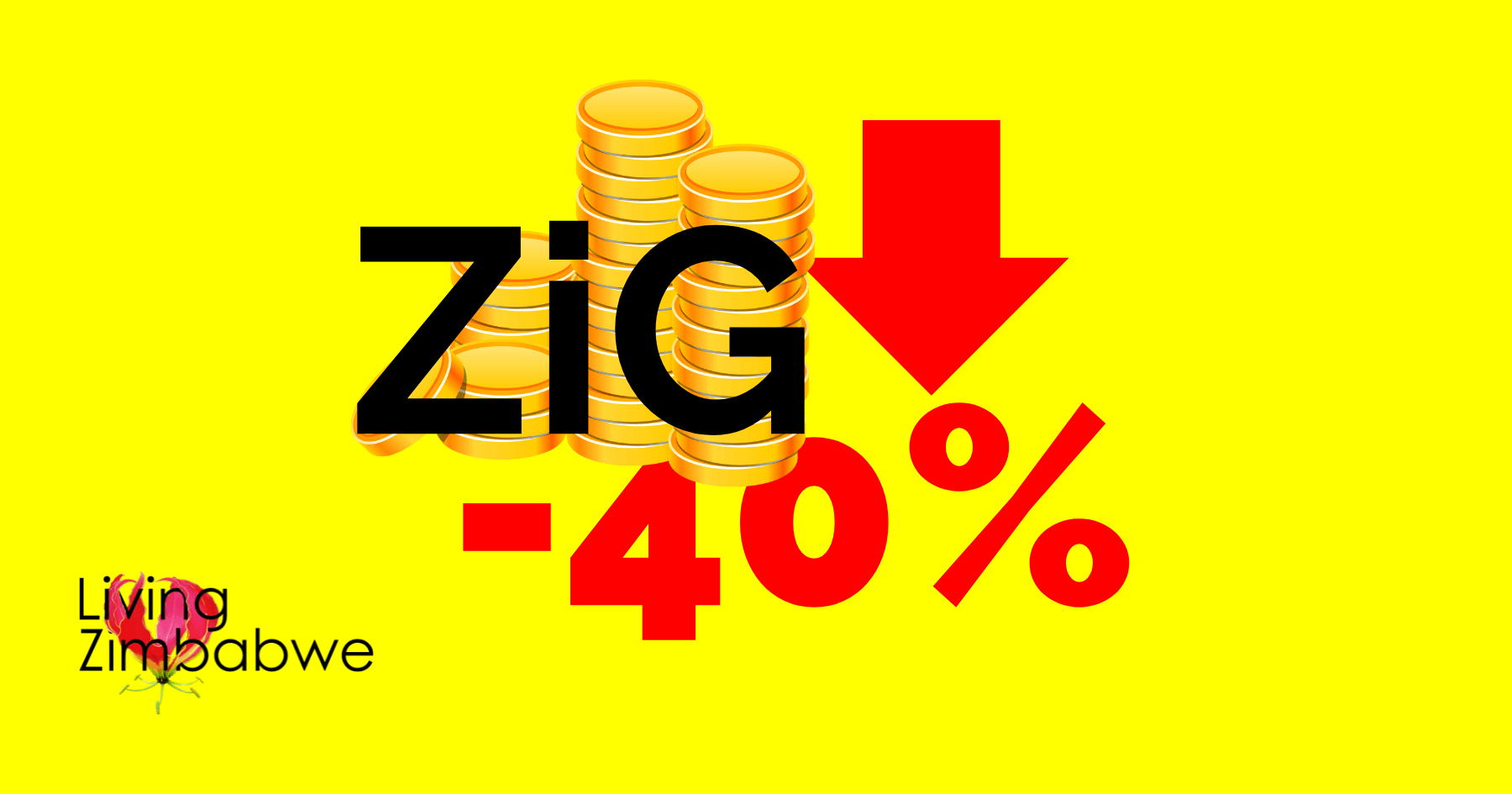
    For people on the ground, the most significant impact was the devaluation of the ZiG from US$1:13.5 to US$1:25. This move knocked just over 40% off the value of the ZiG (The Zimbabwe Gold (ZiG; code: ZWG) just under six months after its introduction as official currency in April 2024). So, from one day to the next, your money was worth a lot less than what it was (again!).

    Is the ZiG a Reliable Store of Value?

    This begs the question, what’s the point of transacting in or holding the ZiG if it can be drastically devalued just like that? Many traders no longer (some haven’t for a while) accept ZiG and prefer to transact in the ‘stable’ US dollars. 

    The US dollar has for the ages been the world’s reserve currency but who knows how long that will hold with BRICS nations looking to establish a new currency? Where would that leave us USD addicted Zimbabweans? How would we trade and save?

    Protecting Wealth in an Unstable Environment

    The daily grind is not just about survival, it’s also about thriving and getting ahead financially. This is easier said than done especially in economies where decisions can take you backwards or almost wipe out possibly years of savings at no fault of your own. How do you build and protect your wealth?

    Should Zimbabweans completely turn their backs on the ZiG and look to alternatives like the US dollar, physical gold, or cryptocurrencies like Bitcoin or stablecoins? These asset classes offer varying degrees of stability and growth potential, but each comes with its own risks. Read: Is it time for Zimbabwe to adopt Bitcoin, stablecoins and other cryptocurrency?

    Gold, for example, is a traditional store of value, especially in uncertain times. Cryptocurrencies like Bitcoin which are volatile are gaining attention for amongst other things being a hedge against inflation and government interference. Stablecoins, which are pegged to assets like the US dollar have the same advantages as crypto without the extreme price swings.

    Key Insights:

    • ZiG to USD: ZiG has devalued by 40% since its introduction in April 2024.
    • Zimbabwe Gold Price (per gram): Local gold prices increased by over 20% between April and September 2024.
    • World Gold Price (per ounce): Global gold prices have risen by 17.2% from April to September 2024.
    • Bitcoin: Bitcoin showed a slight decline (-3.23%) from April to September 2024 but had a substantial gain (+138.74%) from September 2023 to September 2024.

    Planning for the Future

    Time waits for no one and as it ticks along, we age. As we age, financial security becomes even more important, particularly with the potential for increased medical costs and reduced income in later years. Decisions made today about how to protect and grow wealth will have lasting consequences for the future.

    Not only should the short-term impact of currency devaluation be considered, but also a long-term strategy for wealth preservation. Is it better to move completely to US dollars? Is cryptocurrency the way to go? Or is it best to stick with the primary store of value, gold?

    What are you doing to protect your wealth and financial future in this unpredictable environment?

    Disclaimer: The content provided is for informational purposes only and should not be considered financial advice. These are ideas and suggestions for potential ways to preserve and grow wealth in the Zimbabwean context. Always consult with a qualified financial advisor before making any financial decisions.
    Resources

    Reserve Bank of Zimbabwe

    Mining Zimbabwe

    Gold Price

    Google Finance


  • Money Laundering in Zimbabwe; Why The Dirty US Dollar Bills?

    Money Laundering in Zimbabwe; Why The Dirty US Dollar Bills?

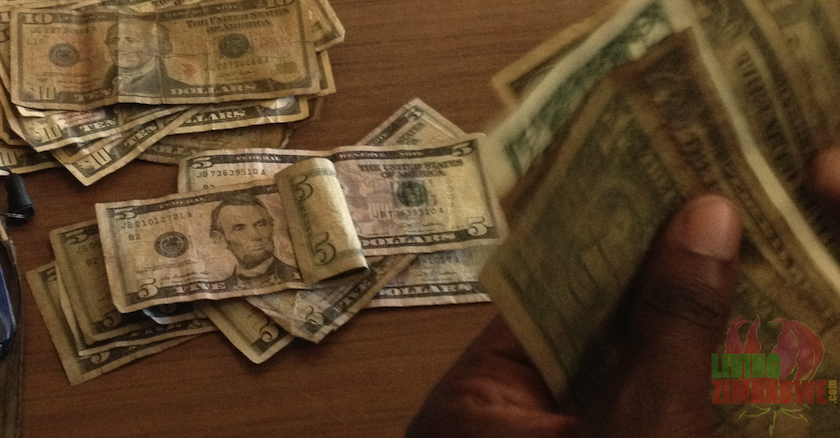
    According to a recent report from an international news network, money laundering in Zimbabwe takes on a different meaning because it literally means laundering money with soap and water versus what the phrase means in the traditional sense. For those who have cash in hand, the chances of them being in possession of a clean and crisp US dollar note are not that high. What you are likely to find is a dirty, flimsy, tattered and smelly note.

    The “dirty money” has become the norm but you will find that on occasion you may come across someone not willing to accept your money when paying them for a product or service. This situation can make things difficult for consumers because who would want to end up with a bunch of notes that are not being accepted by anyone?

    In a “normal” economy, notes that have passed their “use by” date are replaced accordingly. In the case of US dollars being used outside of the United States, this would mean a trip back to the Federal Reserve to be destroyed and replaced with brand spanking new notes. But, our economy isn’t quite “normal” and citizens are apparently taking measures into their own hands and are cleaning the money as official channels aren’t doing this for them.

    Another reason for the state of the bills that are in circulation may be that a lot of people have lost faith in the formal banking sector. As Finance Minister Patrick Chinamasa has said, traders “were keeping their money under the pillow” and that it is a market that he intended to tap and bring the value back to the formal sector.

    With the current situation in the banking sector where some depositors have to queue for extended periods of time to make a withdrawal, can you blame people for not wanting to bank their money?

    With all of the above issues in mind, enter Zimbabwe’s mobile operators into the picture. Econet has been working hard at pushing the mobile money transfer product, EcoCash. Telecel has also joined the fray with a similar product offering to rival EcoCash. Given the current liquidity situation these products could be a God send because of the ability to transact electronically and negating the need to go to a bank. The success that these products realise all depends on public update of these offerings.

    As far as now and cash goes, if the situation does not improve, Zimbabwe will have yet another challenge to tackle. The Reserve Bank has added even more currencies to an already multi-currency economy for one reason or another. But, is adding more currencies to the mix the way to go in respect to addressing this issue? We could end up with more dirty notes of all sorts of different currencies and denominations that can’t be used anywhere else but in Zimbabwe.

    What end in sight do you see for Zimbabwe’s multi-currency economy that is filled with dirty money?

  • Zimbabwe State Lotteries – Safest In The World!

    Zimbabwe State Lotteries – Safest In The World!

    During the 2009/2010 festive season, US$1 could have instantly made you US$100,000 richer. How? All you had to do was buy a scratch card from the State Lotteries and all going well you could have won that amount. Another popular game that was introduced was Bingo which people could play Monday to Saturday from 11am to 7pm.

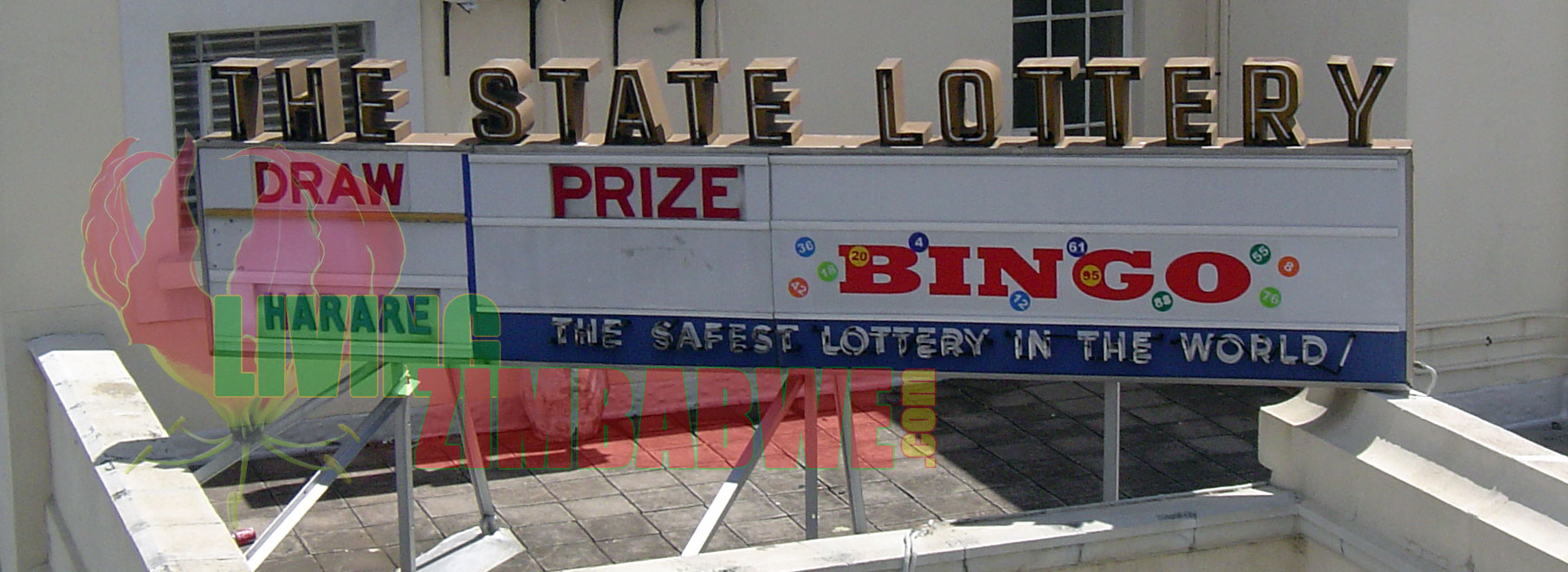
    As with lotteries around the world, the chances of winning are very slim but the winnings are big. Just imagine someone in Zimbabwe going from a few dollars to being $100,000 richer? One thing that you can be rest assured about though is that the State Lottery in Zimbabwe is the Safest Lottery In The World!