Tag: People

  • Showing the True Face of Zimbabwe and Africa

    Showing the True Face of Zimbabwe and Africa

    I visited the continent of Africa for the first time in 1993, and like most Americans of my generation, I arrived with a mind filled with misconceptions. I’d grown up being bombarded by the distorted cinematic portrayals (most notably the Tarzan movies, which weren’t even filmed in Africa, but in Mexico), popular media focus on the continent’s problems, National Geographic magazine with its exotic animals and people, and a lack of content in the world history courses I’d taken up to that time. Africa, ‘the Dark Continent’, was terra incognita in my mind – a monolithic place of poverty and war. Even the so-called Africa Hands at the State Department where I worked at the time, tended to refer to ‘Africa’ as if it was somehow a single state rather than a diverse collection of cultures and people.

    My first African ‘home’ was Sierra Leone, where I lived for three years while I was assigned to the American Embassy in Freetown. The country was in the throes of a violent civil war and ruled by a military dictatorship. Despite these conditions, though, I quickly discovered that it was far from a total lost cause. In the first place, the country, as small as it was, was amazingly diverse. Sure, there was violence, hunger, disease, poverty, and corruption. But, there was also resilience, love, laughter, and a desire to live a better life. The terrain wasn’t the steaming jungles of the Tarzan films. There were mountains, plains, and forests. Driving through some of the villages in the northwest region of Sierra Leone reminded me of some of Georgia or Alabama’s back country roads.

    I’ve been an avid photographer since my teens, but I didn’t take my camera with me to Sierra Leone in 1993 – much to my regret. I would love to have been able to document my travels throughout the country. I got that chance decades later. In 2009, the State Department assigned me to Zimbabwe, another country in turmoil. There was no war, but disease, political violence, and economic instability affected most of the country’s population. I’d only been in southern Africa once before – I visited Johannesburg, South Africa in 1994 right after the end of apartheid – and only for a few days. So, I was unprepared for Zimbabwe. The briefings had led me to expect gun-wielding soldiers on every street corner and children with swollen bellies playing in sewage. The country had – and still has – its problems, but nothing like that. I found that you could walk the streets of Harare or Bulawayo and not even be aware of the political or human rights problems. They were still there, but existing alongside positive things as well – things that seldom found their way into the international media coverage of the country.

    I traveled the length and breadth of Zimbabwe during my three-year stay; always with my camera handy. I was determined to document the many faces of the country. Since other media were doing a good job of documenting the negative, though, I emphasized the other side of the coin. Smiling faces, fantastic landscapes, diverse wildlife – all showing Zimbabwe’s potential, if only its leadership would focus more on developing true economic security for the population. I’ve been a freelance writer and photographer for decades, and while I lived there, I did a number of articles on Zimbabwe’s tourism potential, but I wanted to do more. I wanted to show the world that Africa is not a ‘single’ place, but like the world’s other continents, a place of immense diversity. A place that has both good and bad, beauty and ugliness. I’ve done two photo-journals focusing on Zimbabwe: African Places: A Photographic Journey Through Zimbabwe and southern Africa, which I published in June 2012, a few months before I returned to the United States to retire from government service. My most recent, A Portrait of Africa, was published in January 2014, and while it includes photos from other areas (Senegal, Cameroon, South Africa, and Tanzania), as with the first book, the bulk of the photos were taken during my travels throughout Zimbabwe.

    It is my wish that those reading A Portrait of Africa, whether African or non-African, will come away with an enhanced appreciation of the diversity and potential of the continent that is the birthplace of humanity – that they will be able to see beyond the popular images to the reality that lies just beneath the skin. What I hope everyone reading this book will see is that there is still hope – hope for the African continent, hope for Zimbabwe, and hope for us all.

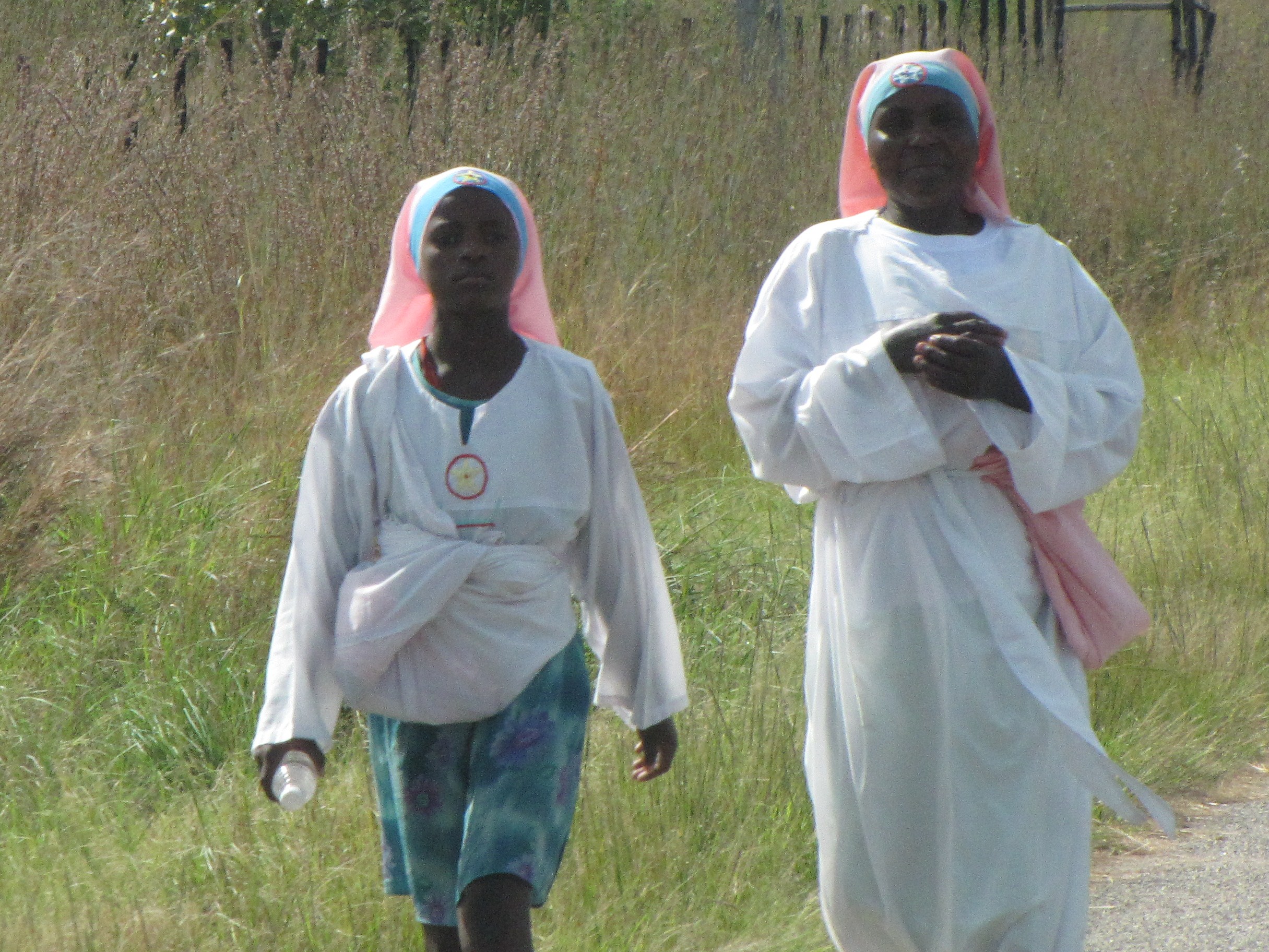
    IMG_0424

    This has been a submission by Charles Ray.
    You can connect with Charles via the following: http://charlesaray.blogspot.com, http://twitter.com/charlieray45, http://www.facebook.com/CharlieRay45.
    You too can become a Citizen Journalist by submitting your story here: Citizen Journalism by Living Zimbabwe
    The views expressed in the article are those of the author and not necessarily Living Zimbabwe.

  • Telling The African Narrative Like Komla Dumor

    Telling The African Narrative Like Komla Dumor

    When it came to telling the world stories about Africa, no-one did it as well as Komla Dumor. He was a person who believed that you needed to understand people and collaborate with them in order to tell Africa’s story. Having this kind of an attitude towards his journalism is one of the things that made him stand out. It also made shows such as BBC’s Focus on Africa a success which did a lot in raising the profile of Africa.

    Sadly, Komla suddenly passed away on the 18th of January, 2014. The news came as a shock and he will be missed by not only by family and friends but by people around the world who he reached through his work.

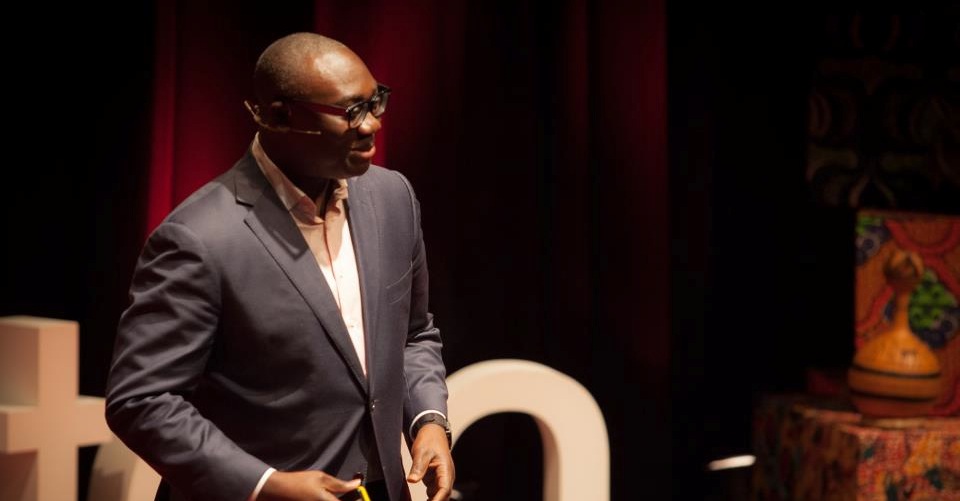
    In 2013 he spoke at TEDxEuston on telling the African story. This is one of the many things to remember him by and in this talk he also imparts words of wisdom for those who want to tell the African story or that of an African nation that they call home. His presentation draws you in with a mix of realness and humor as he gets across four points that he saw as being essential to telling the African story. They included not just telling one side of the story but having “balance” with a second point being the question of who an expert on Africa is, is it someone from Washington or London?

    He finished off his talk with a proverb that he leaves open for interpretation:

    [quote]The narrative will always glorify the hunter until the lion itself learns how to write[/quote]

    The talk is well worth a watch. Rest in Peace.

    If you have a story to tell, you can share it with the world right here on Living Zimbabwe. To Find out more and to make a contribution, visit Citizen Journalism by Living Zimbabwe.

  • Zimbabwean Music Legend Oliver “Tuku” Mtukudzi is 60!

    Zimbabwean Music Legend Oliver “Tuku” Mtukudzi is 60!

    Rest in Peace ‘Tuku’ – 23 January 2019


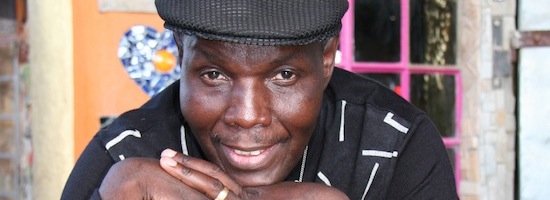
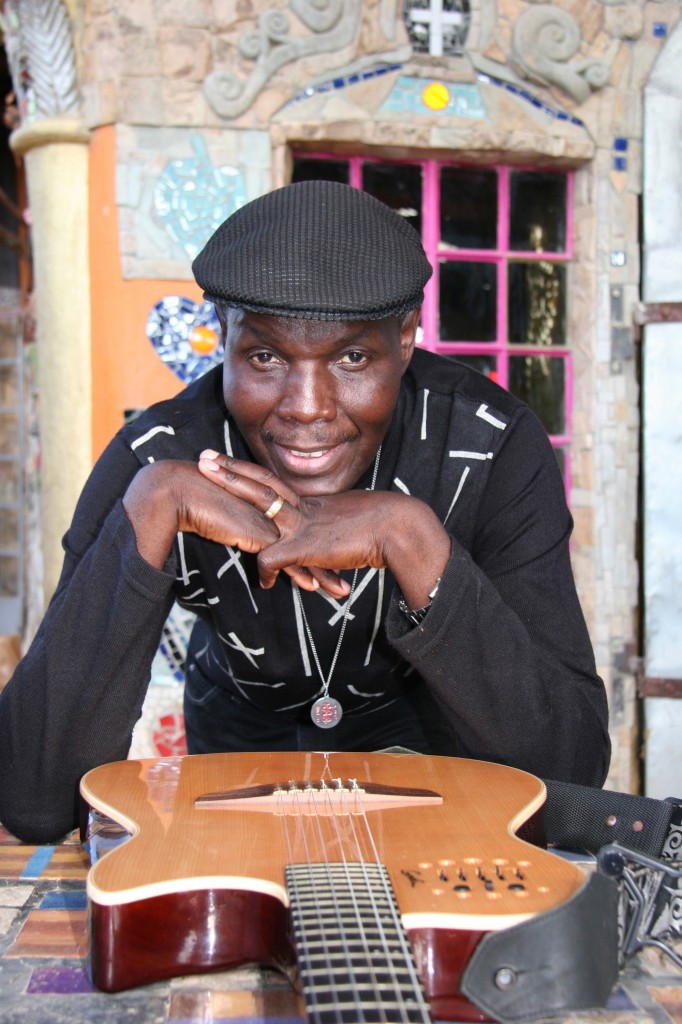
    22 September 2012 marks the day that one of Zimbabwe’s greatest musicians Oliver “Tuku” Mtukudzi turns 60. Over the decades he has entertained generations of Zimbabweans and to this day he is still making a contribution to music and society. He is still recording, has just released his 61st album, ‘Sarawoga’ and has 3 more ready to be released. To add to that, he mentors young aspiring artists at Pakare Paye Arts Centre (a centre that he founded in 2003) so that they too can one day realise their dream. What more can one do to be classified as a legend?

    Turning 60 doesn’t mean that we will be hearing less and less of him, in his own words, “As long as mankind exists, there is always something to talk about and as long as there is something to talk about there is something to sing about. And so I shall sing always”.

    Happy Birthday Tuku!

  • Four Young Zimbabweans Up For Prestigious International Honours

    Four Young Zimbabweans Up For Prestigious International Honours

    Four young Zimbabweans from different facets of life are up for a prestigious international honour under the 2012 Junior Chamber International (JCI) Ten Outstanding Young Persons of the World Program (TOYP). Tendai Wenyika, a political activist and Deputy President of the Pan Africa Youth Organisation, humanitarian and Harvard student Dalumuzi Mhlanga, Journalist Brian Hungwe and Businessman-cum-musician Tawanda Mutyebere are amongst the final 20 contestants in the global program, which identifies and honours ten young people from across the globe in various categories.

    Announcing the achievement, 2012 JCI Zimbabwe National President Mr Spicer Munjeri, whose organisation identified the honourees at national level called upon the general public to support the young achievers through on line voting, which will partly contribute to the selection of the final 10.

    “In celebrating the thirtieth anniversary of the JCI TOYP program which started in 1983, JCI has this year opened up an opportunity for the general public to contribute to the selection of the final ten by voting through Facebook. As a nation, lets show support for these young people creating positive change by voting through this platform”, said Munjeri.

    Munjeri added that the to have 4 Zimbabweans amongst the 20 finalists is a huge vote of approval for the impressive work young Zimbabweans are doing, and deserved national support.

    “Their individual achievements deserve the recognition they have received”, he said

    Wenyika, who was nominated in the Political/Government of Legal Affairs Category, became the first female student to be elected President of a Students Representative Committee (SRC) at a Zimbabwean University. She went on to serve on the Zimbabwe Youth Council Board before getting involved with the Pan African Youth Union (PYU) where she oversees PYU programs across the entire South African region, fighting for active participation by young people in their countries. She has also taken part in several grassroots peace missions in many African countries and is an inspiration to young female politicians in the country and region.

    Mutyebere, nominated for Personal Improvement and/or Accomplishment, rose from being a humble baker at the age of 23, to become one of the country’s most recognised entrepreneurs, at the helm of the Slice fast food outlets that include the hugely popular Chicken Slice brand. Mutyebere’s business’ community involvement sets a strong example for both employees and business leaders that community action provides a sense of self-worth and unity within a corporate culture.

    Mhlanga was recognised for mobilizing youth to be socially responsible citizens who address community needs through leadership, internships and service through an organisation he founded in Bulawayo, Lead Us Today. While studying in Swaziland, Mhlanga had also formed Career Support Initiative which helped young people make informed early career choices through holding Career Fares.

    Brian Hungwe’s work as a Journalist has seen him travel around war-torn zones in Africa, covering instances of human rights violations, violence and thefts despite incurring backlash from African authorities and risking his life. He carries an inspiring commitment to his work, going beyond his professional boundaries and using values and morals to direct his path.

    Both Hungwe and Mhlanga were nominated in the Humanitarian and/Voluntary Leadership category.

    The JCI TOYP is an annual international program that selects 10 outstanding young people under 40 who live the JCI Mission in extraordinary ways. It highlights the accomplishments of these young active citizens in a variety of fields, inspiring young people across the world to be better and realize our full potential as active citizens. The honourees motivate their peers to seek excellence and serve others. Their stories of discovery, determination and ingenuity inspire young people to be better leaders and create better societies.

    Previous winners in the competition from Zimbabwe include Charlene Hewat (Environment Africa), Strive Masiyiwa (Econet), Advocate Sabelo Sibanda (School of African Awareness) and Betty Hazviperi Makoni (Girl Child Network).

    JCI is a membership-based non-profit organization of 200,000 young people ages 18 to 40 in 5,000 communities and more than 100 countries around the world. Its members share the belief that in order to create lasting positive change, they must improve themselves and the world around us. They seek targeted solutions to the unique problems in our communities to build a better world, creating global impact.

    Top20Honourees

    This has been a submission by Lloyd Ngwenya. You can connect with Lloyd Ngwenya via the following: , , http://www.facebook.com/xoduster. You too can become a Citizen Journalist by submitting your story here: Citizen Journalism by Living Zimbabwe.

  • In America by NoViolet Bulawayo & The Cost Of Living In The Diaspora

    In America by NoViolet Bulawayo & The Cost Of Living In The Diaspora

    A few weeks ago, Zimbabwean author NoViolet Bulawayo made an appearance on Rendezvous With Zeinad Badawi. During her appearance she read an extract from a story that she wrote “In America”. The story is about the immigrant experience and the costs that some people pay for leaving home and not being able to return.

    [quote] And when our parents reminded us over the phone that it had been a long, long time, and that they were getting old and needed to see us, needed to meet their grandchildren, we said, we are coming mama, siyabuya baba, we are coming gogo, tirikuuya sekuru. We did not want to tell them we still had no papers. And when they grew restless and cursed

    America for being the greedy monster that swallowed their children, swallowed the sons and daughters of other lands and refused to spit them out, we said, we are coming very soon, we are coming next year. And next year came and we said, next year. When next year came we said, next year for sure. And when next year for sure came we said, next year for real. And when next year for real came we said, we are coming, you’ll see, just wait. And our parents waited and they saw, saw that we did not come.

    They died waiting, clutching pictures of us leaning against the Lady Liberty in their dried hands, graves of lost sons and daughters in their hearts, old eyes glued to the sky for fulamatshinaz (diaspora planes) to bring forth lost sons and daughters. [/quote]

    The story tells a tale about the struggles of getting to America and upon getting there, people forgetting about the dreams that they went there to pursue. This left work as the next option and due to visa restrictions, it meant working illegal and with the passage of time, the expiration of visas and people becoming illegal immigrants and all the while working menial to support family back home.

    It carries on telling the story of becoming stuck in the diaspora and longing for Mother Africa. Children being born  and raised in a way that is completely different to how they are raised at home. The passage of time also brings with it the passing of loved ones (parents) and facing the harsh reality of not being able to properly say goodbye. It then leads on to their own inevitable aging and their children putting them in nursing homes to be taken care of by strangers which is soon followed by death, an unceremonious burial and a spirit left in limbo.

    Being stuck in the diaspora and not having the papers to return back home is a story echoed by many Zimbabweans. “In America” gets you thinking about the costs of living in the diaspora and leaves you wonder if it is worth it?

    The article was published in Callaloo, an African Diaspora literary journal and can be found in it’s entirety here.

  • Fire leaves Zimbabaweans Homeless in Durban, South Africa

    On Sat night 2 July, a fire outbreak damaged a building in Central Durban which housed Zimbabwean refugees. The fire destroyed most of their belongings including passports and other personal documentation. This building is one of the many commercial properties in Durban which have been converted to housing, comprised of small sized rooms, by unscrupulous businessmen to exploit desperate Zimbabweans. They are being charged exorbitant rentals in these buildings which are flouting municipal fire and health standards. These buildings are over crowded and have become health hazards due to poor maintenance and overcrowding.

    Most of the Zimbabweans who were victims of this fire are now being housed in homeless shelters in Durban.

    However, according to eye witness accounts at the scene the damage to property could have been minimal if the Fire Department personnel had acted more competently in putting out the fire. In addition, the Municipal Fire Department response to the scene was hours late and the residents helplessly watched as their possessions were consumed by the fire.

    Article submission by: Chamunorwa Nhau

  • Zumailer Eusen-Maman | Mr Iron Man Zimbabwe

    Zumailer Eusen-Maman | Mr Iron Man Zimbabwe

    Zumailer is a long standing Mr Iron Man Zimbabwe. At a chance encounter with him at a popular entertainment venue in Harare, he had a small crowd around him. He felt the need to tell people exactly who he was and show them what he is all about.

  • Preaching in 1st Street, Harare

    Preaching in 1st Street, Harare

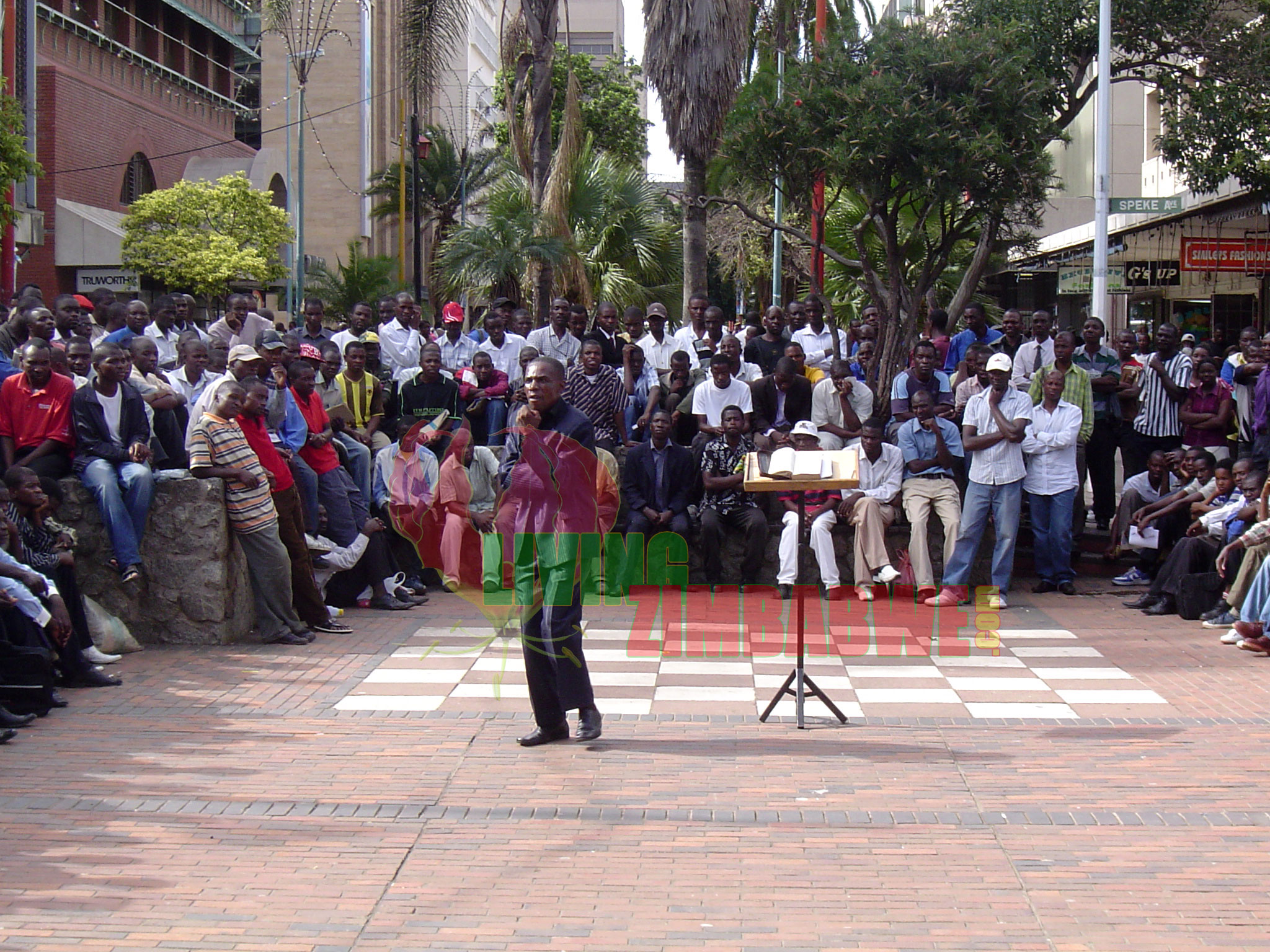
    Here is a preacher who took it upon himself to go onto 1st Street in Harare to set-up a pulpit and preach to whoever would listen. He was preaching about how this is the year to prosper and that they only way to get there is with God by your side.

  • Power Outages Due To Power Transformer Oil Theft

    One thing that you get used to in Zimbabwe is the erratic electricity supply. The outages can last from hours to days to weeks to months. Some areas may experience outages on a daily basis and in other areas it may only happen every other day. A lot of the time the outages are due to load shedding courtesy of the Zimbabwe Electricity Supply Authority (ZESA) but some are a result of blown power transformers where it could take weeks or months before power is restored.

    Oil theft is to blame for the blown transformers and this seems to be a common occurrence that is happening all over the place. If it is indeed oil theft, only those who are stealing it know what they are doing with it. People are however speculating that they are selling it off to companies in industrial areas, other say that it is being sold to welders to be used in welding machines and some have even gone on to say that they selling it ZESA.

    [ad#Adsense 250×250 white-posts]

    Whatever the case may be, this is a very selfish act because they are not only leaving people without power for weeks on end, the transformers have to be repaired or replaced and that comes at a cost. Take for example the transformer shown in this post (click on image for larger view). Oil was stolen from it and ZESA informed residents that it could not be repaired and needed to be replaced at a cost of US $12,000. Depending on how lucky you are, ZESA may or may not come to your rescue. In some instances residents who find themselves without power due to thefts have had to band together and come up with the money to get a new transformer. Some even go as far as hiring a security guard to watch over it thus ensuring it does not happen again.

    Questions that come to mind are; would someone in the right mind who has not worked with that kind of equipment disassemble and steal oil from it? Given that they are fiddling around with high voltages where the chances of death are extremely high. That gets you thinking about who would go ahead and attempt to do such. Could it be people working for ZESA or former employees?

    The money that these thieves get from carrying out this act can’t compare to the inconvenience that it puts people through and the amount of money needed to restore things back to normal. Is all of that worth an amount of money that may not take you too far?

  • Hopewell Chin’ono vs. Peter Pasipamire and the Truth

    Last week, New Zimbabwe published an article – Film-maker sued over HIV documentary about Hopewell Chin’ono being sued by Peter Pasipamire for alleged non-payment for participation in the moving HIV/AIDS documentary Pain in my Heart. There were inaccuracies in the article which Hopewell has tried to clear up and also share with people in a mass email. You can read the emails (below) for yourself and form your own conclusions now that you have a bit more information than what was originally reported.

    This just goes to show that sometimes the media can get it wrong or be completely biased for one reason or another and you should always take such things with a pinch of salt.

    Dear all,

    I am sure most of you have read the article that was published on Newzimbabwe.com reporting that I am being sued for not sharing the film prize money with one of the characters in the HIV and Aids film that I made in 2007.

    I am sure you are all aware that I donated all the money that I won in prizes from CNN and Kaiser Family Foundation. This money was used to set up a trust to help the kids of Angeline Chiyanike to go to school.

    I went to look for these kids and asked a long distance relative of their mum to look after them on condition that I give her a monthly stipend and pay their fees until they are 18 years old.

    It is standard practice that we do not pay for interviews that are used in documentaries, it is bad journalism to do so. Jeff Kainonge lost his job for doing so and once its discovered that you pay for interviews your reputation as a journalist will be soiled beyond repair.

    I had offered the man who is now suing me to help him with making sure that he gets good access to medical facilities but he demands money arguing that I am giving money to the kids. I am sure you remember that I sent an email to you letting you know that his relatives had turned down that help.

    The reason why I am giving money to these kids is because their mum died whilst I was filming her and what stuck in my mind was when she said her kids will be street kids when she dies.

    The guy who is suing me is being looked after by the River of Life Church in Harare and that was the story-line to ask why a single mum of 2 was not getting help.

    If broadcasters were supposed to pay for interviews would we be able to cover events like Hurricane Katrina or the tsunami if the victims of these tragedies turned around and claimed US$3000 for the interviews?

    I sent an email to the editor of the website. I have posted the emails I exchanged with him below.

    My problems have escalated after posting a trailer for my new film see www.youtube.com/tvnews2000 or

    This film called a Violent Response exposes the people who were behind last year’s post-election violence and captures the violence itself in action. I have received vile emails from people trying to intimidate me from putting it out.

    These are some of the downs of my job but someone has to do it

    Best regards,

    Hopewell

    Mduduzi,

    I acknowledge receipt of your email. Even if you get tons of articles, the cardinal rule in journalism is that you do not publish before you check your facts.

    That is the job of a good editor. The comments in your article from a Chambati are not in court documents but they are meant to tarnish my image as a journalist for unknown reasons.

    I did not make the film as Television International but as a student. Don’t you question statements that you are given when you seek comment? If someone said to me “Mduduzi is a thief” would I be justified to publish that on the basis that someone has said it or I am supposed to check the facts even if its in court documents.

    Would you publish government documents without checking whether they are factual or not?

    The professional thing for you to do is to remove that article since I have given you all the contact details of the people concerned and check your facts first. You know that as a journalist there is nothing important as one’s reputation.

    I do not understand why you think it is important for you to publish a story simply because it has been send by your correspondent even if it carries untrue information.

    I again attach a website with the information that further confirms to you that the film was made as a Masters project not as a Television International production:

    I expect you at the least to accord me the fairness that we as journalists are supposed to give to all people by not publishing information even when it has been brought to our attention that it is not true.

    I have no intention of engaging in phantom battles with people who resent my success as a journalist and filmmaker and who want to use your platform to tarnish my reputation. I also hope that you have no intention of being party to the now typical syndrome of undignified journalism where people print and refuse to verify simply because information has been put in the public domain.

    Who will guard the guards?

    Best regards,

    Hopewell
    – Hide quoted text –
    On Tue, Oct 13, 2009 at 9:23 PM, Mduduzi Mathuthu <–@newzimbabwe.com> wrote:
    Chief,

    We get dozens of stories everyday and if I tried to follow up every name in those stories to find out if they were properly quoted, contacted or treated fairly I would go mad. As a journalist, you know your editor believes what you write which spares them the trouble of staying on the phone all day checking all stories.

    So it happens that the said story came from one of our correspondents in Zimbabwe, quoting from legal papers before the Zimbabwe High Court and stating you were unavailable to comment.

    We have noted your comment you entered under the story and moved quickly to instate your reaction on the story, and I hope everyone gets an idea of what the two sides think about the matter.

    Accept my personal apologies if you were never asked to give your reaction, and rest assured there was no malice.

    Regards,
    ——– Original Message ——–
    Subject: article
    From: “Hopewell Chin’ono” <–@googlemail.com>
    Date: Wed, October 14, 2009 2:07 am
    To: Michael Wayne <–@brunel.ac.uk>, PreChaka <–@kantorimmerman.co.zw>, Dr Chiratidzo E Ndhlovu <–@mweb.co.zw>, ruebonde@zol.co.zw, –@newzimbabwe.com, Dr Hilda Angela Mujuru <–@mweb.co.zw>, Irene Petras <–@zlhr.org.zw>, “Mabasa, Ignatius (Zimbabwe)” <–@britishcouncil.org.zw>, –@britishcouncil.org, Bernard Kwame Ampaw <–@btconnect.com>, –@yahoo.com, Bright Ncube <–@yahoo.com>, alex magaisa <–@yahoo.co.uk>

    Dear Mathuthu,

    I am disappointed that you could run an article on your website accusing me indirectly of being a fraudster and not seeking comment from me.
    Ref –

    I made the film Pain in my Heart as part of my Masters project at Brunel University in 2007. I made contact with Mr Peter Pasipamire (the man accusing me of not paying him for appearing in the film) through Dr Rutendo Bonde who was running the HIV program at the River of Life Church. I asked for patients who were willing to take part in the film project and Mr Pasipamire agreed to do so.

    Anyone who has watched the film will confirm the fact that I asked Mr Pasipamire in the film why he agreed to appear in the film and he states clearly on camera that he wants people to learn about HIV and Aids.

    At no time did I promise to pay Mr Pasipamire any monetary gain as doing so would be unprofessional and unethical on my part.

    It is true that I am giving financial support to the kids who lost their mother whilst I was filming her story. It should be no crime that I chose to help these orphans. Mr Pasipamire has called in police before and he was asked to produce the contract that he signed. He could not produce this document because I never said I would pay him and there is NO contract that exists.

    I have not benefited financially from making this film since I waived my producer’s fee when e.tv ran the film after it won the CNN African Journalist of the year award.

    All the monies that have been donated by Zimbabweans for the kids in the film have been deposited in an account held by the law firm Kantor and Immerman. I have never touched those funds and you can check with Precious Chaka an attorney with the law firm whom I have copied in this email communication.

    I have used my personal funds to help the kids in the film who lost their mum and I have arranged for a long distant relative of their mother to look after them.

    I find it disrespectful that people can decide to make reckless statements about issues they are not privy to instead of getting in touch with the people concerned first. My email address is attached to the youtube version of the film that you have put on your website. You could have easily send me an email to get my side of the story.

    I hope that you will do the decent thing of attaching my comment and speaking to my University Professor who supervised this project, Dr Michael Wayne(–@brunel.ac.uk)-I have copied him too.

    I made this film when I was on a British Council Scholarship and you can get in touch with Ignatius Mabasa- –@britishcouncil.org.zw whom I have copied.

    He will confirm to you that I was never paid a penny by the British Council to make that film. I used my resources as a student to make this film.

    The person who was responsible for my financial issues when I was a British Council Scholar is Denise Rodgers and she will also be able to confirm to you that I never got paid by the British council to make the film. Denise Rodgers can be contacted on- –@britishcouncil.org

    The doctor treating Mr Pasipamire will also confirm to you that I never made an agreement to pay Mr Pasipamire. Her name is Dr Bonde – –@zol.co.zw and I have copied her in this email.

    You have mentioned in your article that the film was screened on BEN(–@bentelevision.com,OBE(–@btconnect.com) and Passion Television(–@passiontv.co.uk stations. I was never paid by these TV Stations for the screening of the film as it was an academic piece of work.
    I allowed them to screen the film as a way of getting the message out.

    The least I expect from you is to put my side of the story and to get in touch with all the people concerned if you wish to get your facts right. What happened to good old journalism?

    Lastly, I find it unprofessional and shocking that Albert Chambati of an organisation you quoted as Justice Aids Trust would say the following statement without seeking to find out what happened first.

    “This case will serve to highlight the abuse of people living with HIV and AIDS, and it might help others in similar situations to come out and challenge those who are abusing them.”

    How can someone have the nerve to go to newspapers and spread malicious rumours without checking their facts first?

    Best regards,

    Hopewell