Tag: Money

  • How to beat Zimbabwe’s Bond Notes

    How to beat Zimbabwe’s Bond Notes

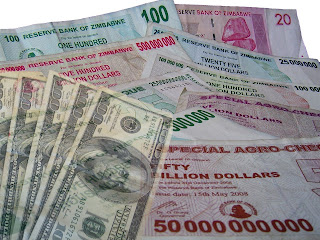
    Our economy has been through all sorts in the last few years. It’s has gone from a functional Zimbabwe dollar to a dysfunctional dollar that saw unprecedented levels of hyperinflation that caused all sorts of chaos. It got to a point where it didn’t make sense to transact in our own currency where trillion dollar notes were being exchanged for goods and services. This crisis eventually led to businesses and traders alike resorting to only accepting foreign currency with the government also conceding and adopting the multi currency economy we live in.

    The acceptance and use of multiple currencies eased a lot of pressure for many a Zimbabwean even though many may not of have respected the mighty US dollar for the value it holds. But, the adoption of all of these currencies has also brought about its own challenges such as really dirty money which is something we now just live with but now, it’s getting harder to get a hold of actual physical cash, dirty or not.

    Besides dirty money, the multi currency economy has brought about a cash crisis/liquidity crisis where citizens just don’t have cash in hand. You may have a bank account that says you have $xyx in it but getting that money may be easier said than done. People just don’t have the cash that they need to get on with their daily lives.

    That said, banks are now putting daily limits on withdrawals, travellers can only take certain amount of money out of the country and business looking to import products have to go through a tedious process in order to pay for their imports.

    The ongoing crisis has spurred the Reserve Bank of Zimbabwe (RBZ) to take action with that being them announcing the introduction of bond notes. We already have a few million dollars worth of bond coins floating around the country, coins that some people still won’t accept.

    The looming injection of bond notes into the economy has freaked out quite a few people. Why? They see it as the return of bearer cheques that saw us transacting in billions and trillions. The RBZ has picked up on public concern and have tried to allay fears. They have put out statements such as they will not replace the current multi currency and that more bond notes will not be printed at will. But, this is all just a wait and see.

    Whatever the case may be, hope is still there that we may one day (sooner rather than later) get back to having a stable economy.

    Some people are taking to hilarity maybe as a way of coping with what may come. One example was in the form of a WhatsApp forward that outlined practical steps to getting by in a bond note economy:

    10 practical steps to beating Bond Notes

    1. Find something that you can do that doesn’t require you to import but can be produced with local materials.
    Local-Materials-Surviving-Zimbabwe-Bond-Notes-LZ

    2. Find something that you can export.

    Export-Surviving-Zimbabwe-Bond-Notes-LZ

    3. Don’t sell your assets.

    Keep-Assets-Surviving-Zimbabwe-Bond-Notes-LZ

    4. If you have a kumusha, buy cattle now, especially if your home area hasn’t been hit by drought.

    Buy-Cattle-Surviving-Zimbabwe-Bond-Notes-LZ

    5. Downsize. If you have a car downsize to a smaller and more fuel efficient vehicle. If you are renting a house, downsize to a smaller one or change suburbs.
    Downsize-Surviving-Zimbabwe-Bond-Notes-LZ

    6. Don’t do things for prestige. Send your children to a school you can afford.

    Affordability-Surviving-Zimbabwe-Bond-Notes-LZ

    7. If you have space, grow vegetables and/or breed chickens (and zvihuta!).

    Grow-Vegetables-Breed-Zvihuta-Surviving-Zimbabwe-Bond-Notes-LZ

    8. If you are renting but have a stand elsewhere, move to your stand. Build something basic and live there. Forego luxury living.

    Forego-Luxury-Surviving-Zimbabwe-Bond-Notes-LZ

    9. If you are married don’t fight over money. Hapana hapana. Put your heads together and think of survival tactics instead of fighting and accusing each other. Not everyone can sell things or be a vendor.

    Dont-Fight-Survive-Surviving-Zimbabwe-Bond-Notes-LZ

    10. Be at peace! This is important. Stress levels will go up. They are already up! Don’t be a victim of things that are not in your control. Speak to others, pray with others and attend church even more. Hearing the word of God heals the broken hearted.

    Be-At-Peace-Surviving-Zimbabwe-Bond-Notes-LZ

    How do you plan on surviving the bond note economy?
  • Does a PayPal ‘Send Money’ Only Service Work for Zimbabwe?

    Does a PayPal ‘Send Money’ Only Service Work for Zimbabwe?

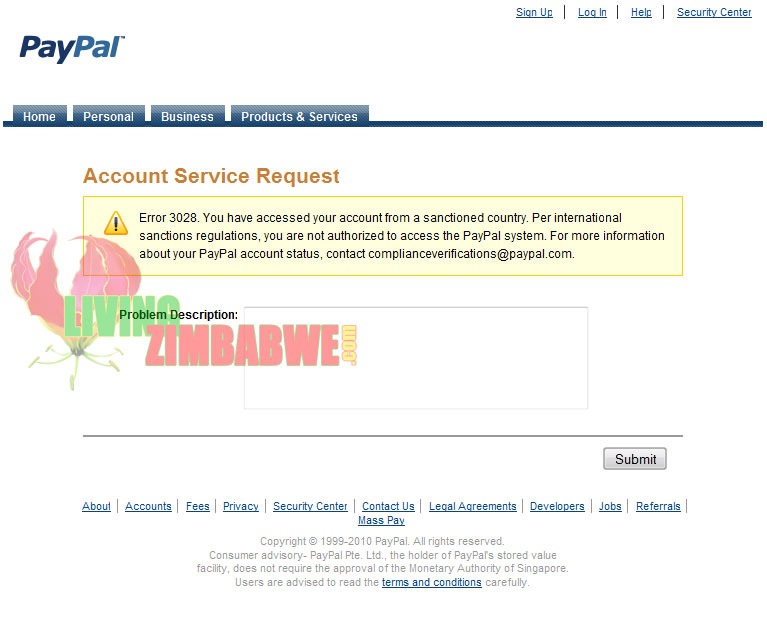
    Over the last few days there has been a lot of hype about the announcement that PayPal would be made available to the people of Zimbabwe. Residents can now sign up for personal or business accounts There has been some debate as to why PayPal was not available in Zimbabwe before this point and the simple answer to that question is sanctions. As you can see from the screenshot below (from 2010), PayPal services could not be accessed due to (users) being in a sanctioned country.

    PayPal-Sanctions-on-Zimbabwe

    The good news for those who really wanted to be able to use their services is that they can now do so without having to revert to weird and wonderful ways of circumventing the restrictions by using Payoneer cards and so on and so forth. The introduction of their services opens Zimbabwean consumers up to a world of online shopping. As a start, items can now be bought on eBay (PayPal’s parent company) with this functionality being extended to being able to pay for goods and services on a countless number of online stores and companies from around the world. The beauty of PayPal is the level of security it provides and that you can make payments to someone online without providing ’that’ particular website with your credit/debit card details.

    However, as far as Zimbabwe is concerned, there are some limitations with the first being the unbanked. If you don’t have a bank account then the chances of you having a credit or debit card are slim to none and this is something that you need in order to have a PayPal account. A considerable chunk of the population don’t transact in the informal sector which would exclude them in creating an account.

    The other side of the coin to providing an option for consumers to make payments is for merchants to be able to accept payments into their PayPal account. Businesses can open a business account which when you look at the signup screen says ‘for merchants who buy and sell online using their company name’. But, in the case of Zimbabwe, the ’sell online’ part of that statement will not apply.  There are currently restrictions in place that do not allow for companies to take advantage of PayPal’s payment solutions; something that we confirmed with PayPal:

    Despite the limitations for merchants, this can be seen as a step in the right direction in that international companies are now a little more open to setting up shop in Zimbabwe. But, as mentioned by a online commentator this move isn’t really in the best interest of Zimbabwean’s because it only serves to funnel money out of the country and doesn’t facilitate for payment inflows for local companies

    In your own opinion, does PayPal really work for Zimbabwe?

  • Money Laundering in Zimbabwe; Why The Dirty US Dollar Bills?

    Money Laundering in Zimbabwe; Why The Dirty US Dollar Bills?

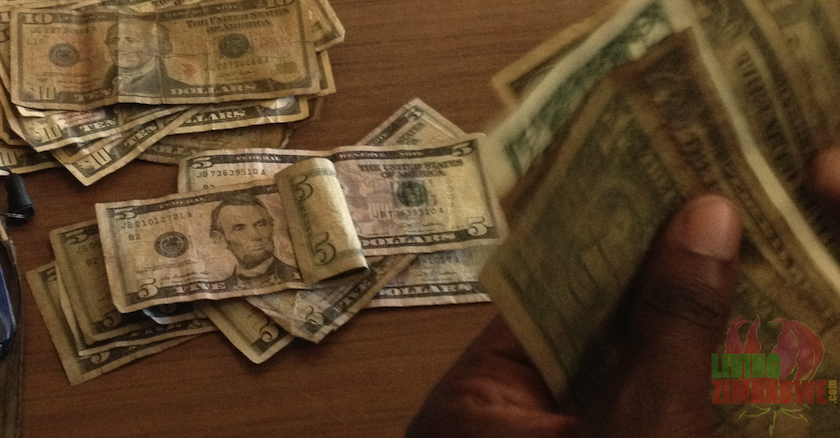
    According to a recent report from an international news network, money laundering in Zimbabwe takes on a different meaning because it literally means laundering money with soap and water versus what the phrase means in the traditional sense. For those who have cash in hand, the chances of them being in possession of a clean and crisp US dollar note are not that high. What you are likely to find is a dirty, flimsy, tattered and smelly note.

    The “dirty money” has become the norm but you will find that on occasion you may come across someone not willing to accept your money when paying them for a product or service. This situation can make things difficult for consumers because who would want to end up with a bunch of notes that are not being accepted by anyone?

    In a “normal” economy, notes that have passed their “use by” date are replaced accordingly. In the case of US dollars being used outside of the United States, this would mean a trip back to the Federal Reserve to be destroyed and replaced with brand spanking new notes. But, our economy isn’t quite “normal” and citizens are apparently taking measures into their own hands and are cleaning the money as official channels aren’t doing this for them.

    Another reason for the state of the bills that are in circulation may be that a lot of people have lost faith in the formal banking sector. As Finance Minister Patrick Chinamasa has said, traders “were keeping their money under the pillow” and that it is a market that he intended to tap and bring the value back to the formal sector.

    With the current situation in the banking sector where some depositors have to queue for extended periods of time to make a withdrawal, can you blame people for not wanting to bank their money?

    With all of the above issues in mind, enter Zimbabwe’s mobile operators into the picture. Econet has been working hard at pushing the mobile money transfer product, EcoCash. Telecel has also joined the fray with a similar product offering to rival EcoCash. Given the current liquidity situation these products could be a God send because of the ability to transact electronically and negating the need to go to a bank. The success that these products realise all depends on public update of these offerings.

    As far as now and cash goes, if the situation does not improve, Zimbabwe will have yet another challenge to tackle. The Reserve Bank has added even more currencies to an already multi-currency economy for one reason or another. But, is adding more currencies to the mix the way to go in respect to addressing this issue? We could end up with more dirty notes of all sorts of different currencies and denominations that can’t be used anywhere else but in Zimbabwe.

    What end in sight do you see for Zimbabwe’s multi-currency economy that is filled with dirty money?

  • Zimbabwe State Lotteries – Safest In The World!

    Zimbabwe State Lotteries – Safest In The World!

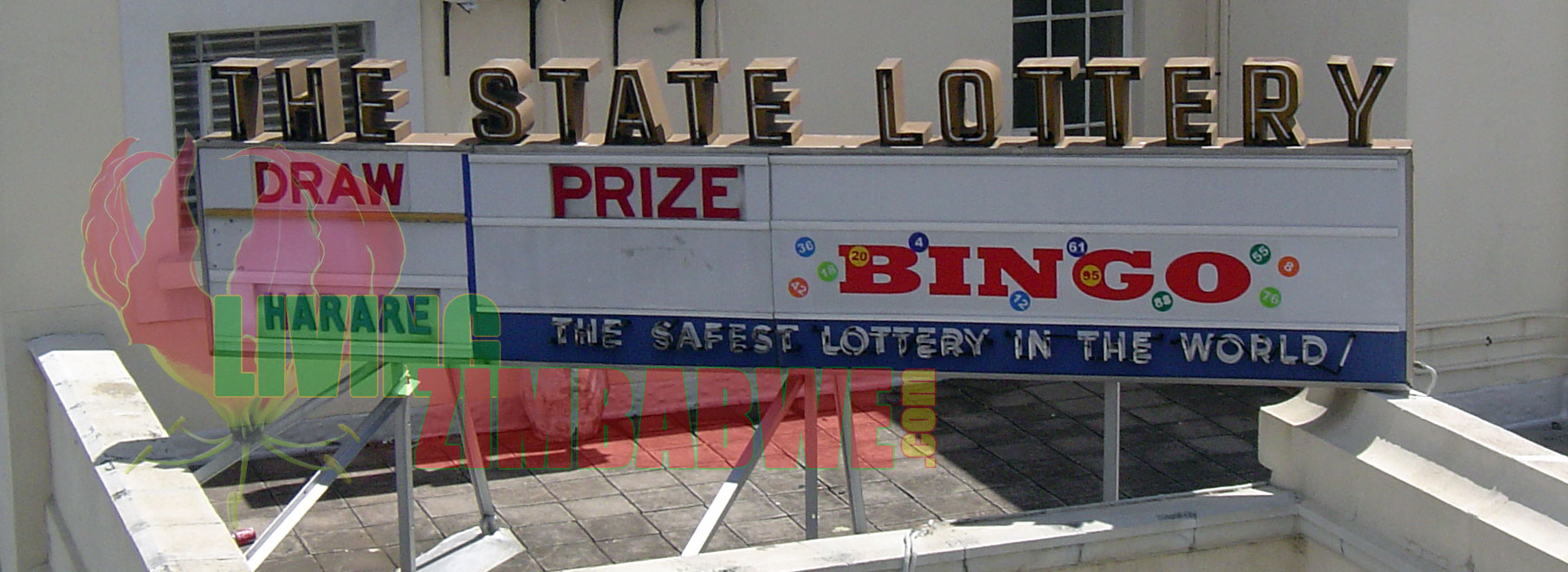
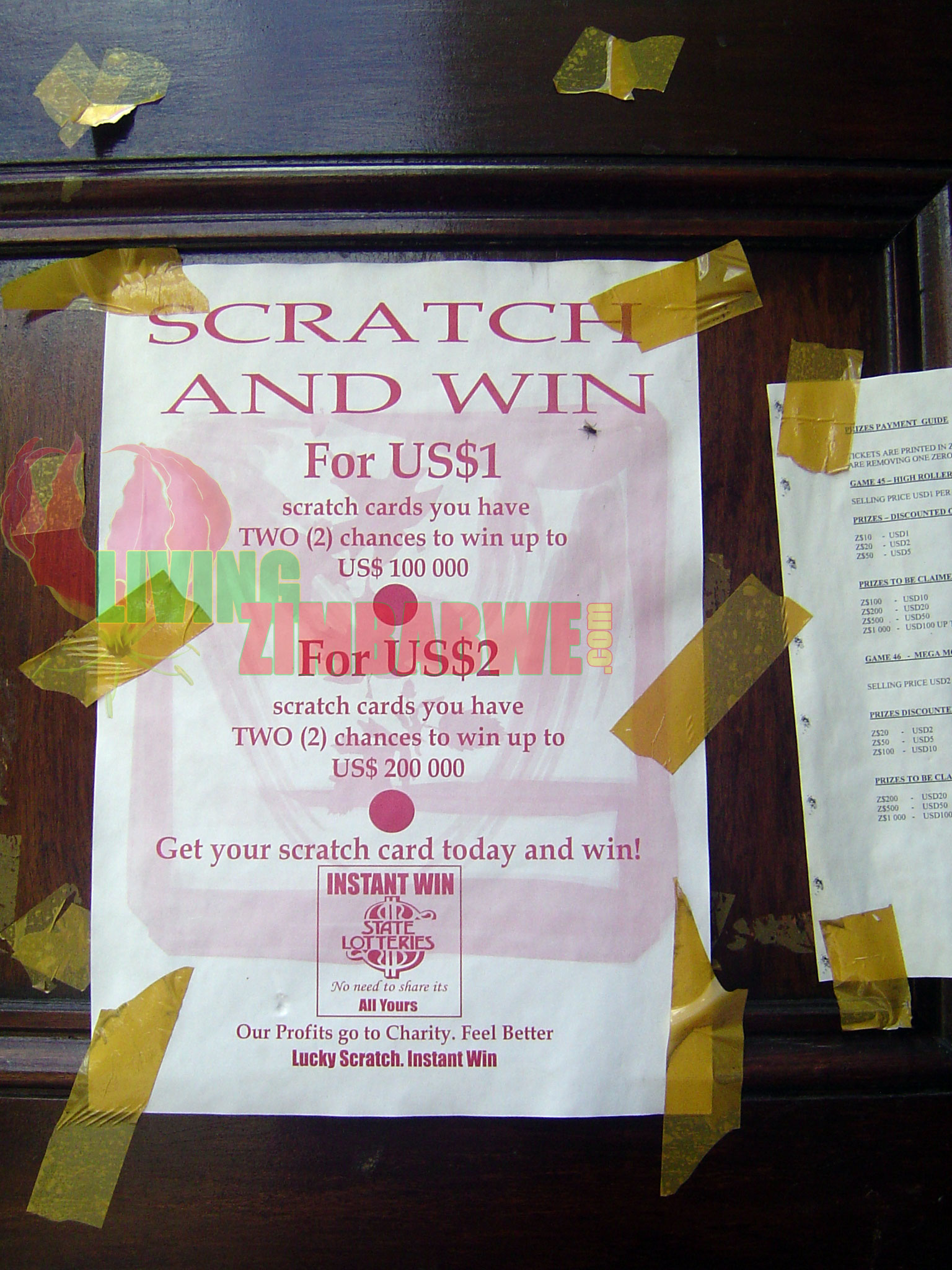
    During the 2009/2010 festive season, US$1 could have instantly made you US$100,000 richer. How? All you had to do was buy a scratch card from the State Lotteries and all going well you could have won that amount. Another popular game that was introduced was Bingo which people could play Monday to Saturday from 11am to 7pm.

    As with lotteries around the world, the chances of winning are very slim but the winnings are big. Just imagine someone in Zimbabwe going from a few dollars to being $100,000 richer? One thing that you can be rest assured about though is that the State Lottery in Zimbabwe is the Safest Lottery In The World!

  • Working To Death To Feed A Family

    The New Zimbabwe Dollar So many Zimbabweans in the diaspora are working hard to support their families they left back home. There are a few who don’t necessarily send any sort of support to their families but feel compelled to because they know things are tough. Those who are supporting their families are finding it harder and harder to do so because of the global credit crunch. They are finding that their cost of living is increasing and they are also having to send more and more money home to meet their families needs.

    As already mentioned, people are feeling the pinch as the cost of living rises significantly due to the global credit crunch and after taking care of the all the bills, credits cards, loans and so on that they need to attend to, there isn’t very much if any left over to send home. What is making it even harder now is the dollarization of the Zimbabwe currency. Yes, the dollarization of the currency and the introduction of foliwars (Foreign Exchange Licensed Warehouses and Shops) may have been a God send in that it has made food more readily available if you have the forex. On the other hand, it has pushed the prices of basic commodities and just about everything else meaning larger amounts of hard currency are needed to meet day to day needs.

    A short number of years ago, you could manage to do a bit with a couple of hundred pound sterling or U.S. dollars but in this day in age that amount of money does not go very far. The need to send more money means having to work more. Some people are on the clock almost 24 hours a day for days on end doing what it takes to keep themselves and their families alive. Some have literally worked themselves to death – the irony.

    When there is food available it is expensive, decent medical attention requires payment in foreign currency, some schools have even started setting their fees in U.S. dollars which after a near collapse of state run schools may put education further out of reach. The Zimbabwe dollar is becoming less of an accepted form of payment and the dollarization has put so much out of reach for so many people and may actually be killing Zimbabwe. The credit crunch isn’t helping diasporans who are trying to support loved ones. Not only Zimbabweans at home are suffering, those abroad are finding it more and more difficult to survive and help their families at the same time. This poses one question: is it really worth it being wherever they are in the world as opposed to being at home and trying to make ends meet there?

  • Burning Money to Make Money

    US Dollars, the New Zimbabwe Dollar

    Zimbabwe’s economy might be in the doldrums but there are people there who are making a lot of money. Patrick M at Zimbablog wrote an article on ways of making money in Zimbabwe, “The 13 best ways to make money in Zimbabwe”. He outlines a few things that people have been doing to make themselves ridiculously rich. Some of the methods highlighted in his post include selling fuel, trading in forex and Zim dollars (believe it or not), selling food and alternatives to beating the frequent power cuts. That is not all people are doing to make money. The diamond craze that hit the country a couple of years or so ago is till very much alive despite the efforts of police to try and stop their illegal mining and dealing.

    The other day I caught wind of another way in which people are making money called ‘burning money’ where people take advantage of the very wide gap between the cheque rate and the cash rate of the US dollar against the Zimbabwe dollar. If you want to cash your US dollars you will get a much lower rate for it than if you were to go to the bank and exchange it for Zim dollars which are deposited into your account at a much higher rate. For example, if you cash US$50 it would be at a rate of lets say 30 000:1 and if you were to exchange it at a bank with the funds being deposited it would be at a rate of lets say 2,180,000,000:1.

    The most obvious choice would be to exchange the money using the bank transfer rate but the problem comes when you want to withdraw your billions of dollars from the bank. If you have contacts at the bank you withdraw the money and then go to parallel market to buy US dollars at a rate of lets say 40,000:1. If you do the math you can see that you end making a very good profit. For those that cant get that amount of money out of the bank, what they do is go to a company and buy some sort of goods such as cement or Econet’s pre-paid buddie top-up cards with a cheque and sell them on the streets for cash.

    The kinds of profits that people who ‘burn money’ make can be a bit mind boggling with the number of figures involved in the calculations but those who deal with them on a daily basis are used to it.

    One thing though is that with people managing to make huge amounts of money from their forex in both US and Zim dollar terms, a number of industries or should I say those that are left are struggling to survive. They are struggling to survive because everyone is out there trying to get their hands on some of that money and those that have the money are clearing out companies and selling their goods.

    Some may see this as being immoral and that the people who are out there carrying out such trades are further destroying the economy. The authorities may be out there trying to clamp down on such activities but as they close more and more loopholes and make it harder to carry out these trades, people are finding other ways of making ridiculous amounts of money. The way I see it, it’s just survival. It’s amazing how people can thrive in chaotic conditions.