Tag: Infrastructure

  • Zimbabwe’s Commuter Omnibus Death Traps

    Zimbabwe’s Commuter Omnibus Death Traps

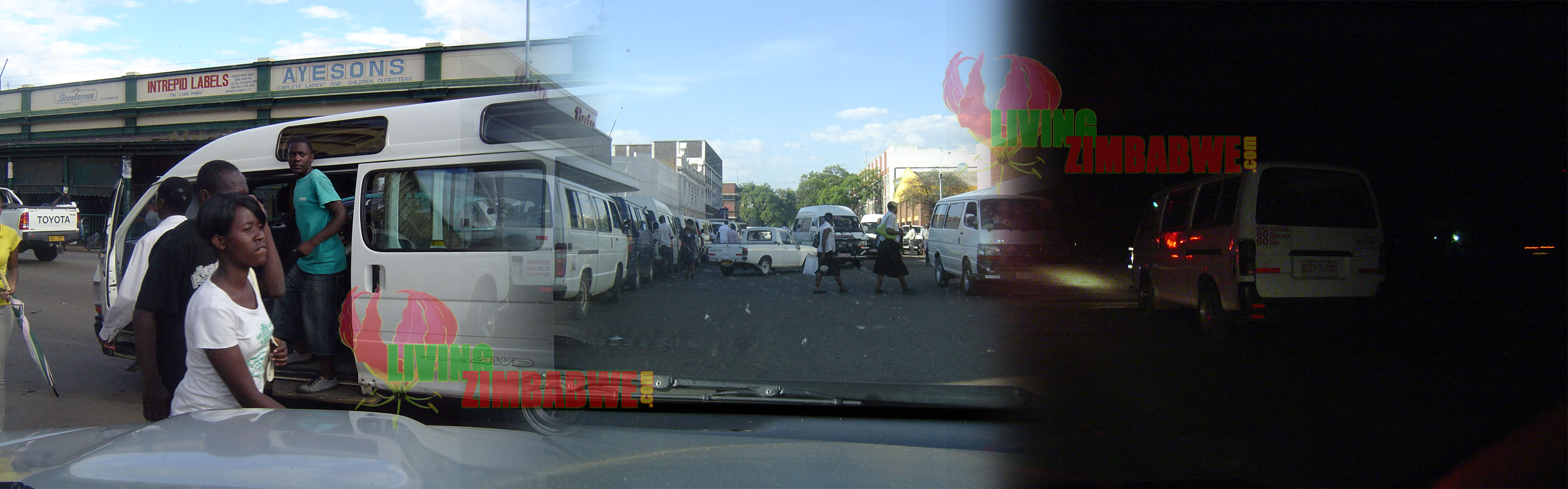
    Commuter omnibuses are a common mode of transportation for many Zimbabweans. If you go into Harare’s CBD you will see them everywhere. In a vehicle such as a Toyota Hiace which is typically built to seat 15 people you can expect to find 20 people packed into one. They may not be the safest form of transportation but people have no choice but to take them in order to get around.

    A number of the commuters on the road are clearly not road worthy which is a recipe for disaster. To add to that, they are driven by people who seem to have a sense of owing the road and can do whatever they want. Watching what they do as they go along their daily activities is scary! You can expect to them operating in the following ways:

    1. Speeding; you can be going 120km/h and have one or two zoom past you as they overtake even though they are only allowed to travel at a maximum of 80km/h (as you can see from the photo taken at night of a vehicle with its brake lights not working).
    2. Drivers competing against each other with total disregard for the road rules such as when overtaking other vehicles not travelling fast enough for their liking. You can have one overtaking to the right as they should but pretty much into oncoming traffic and another brave driver deciding to try his luck off to the side of the road on the left.
    3. Front and rear lights not functioning properly (this is very common with a number of vehicles on the roads of Zimbabwe)
    (click on image for large view)

    Other motorists who have the right of way have to do a bit of defensive driving or give way to commuters. If you don’t, you may end up in a situation you don’t want to be in which could be verbal abuse, a near miss of even a crash.

    All of this put together with a vehicle that is full of people packed liked sardines results in carnage. A lot of the traffic crashes in Zimbabwe involve commuter omnibuses and many lives are lost in one go.

    The Zimbabwe Republic Police have been trying to get unroadworthy commuters off the road and at the same time clamp down on unlicensed drivers in an operation called “100 CBD Decongestion”. How effective such an operation will be should interesting. Corruption is high and the police are very good at turning a blind eye if you have the money.

    If any form of order with respect to commuters will ever be returned is yet to be seen. One question still remains, will commuter drivers ever realise that they are putting the lives of their passengers at risk?
  • Africa Being Exploited For Its Riches

    Last month a plane that crashed in Congo and on board were Australian mining executives from Sundance Resources. The purpose of their visit was to take a look at the expansion of their operations in West Africa. An entire board taking the time to travel to West Africa is sign that there is something there worth Billions. One very big question is how much of that money stays in Africa?

    All over Africa, you will find foreign based companies with a strong presence in whatever sector they do business in. Yes, they may be providing jobs for people in the regions in which they operating. But, how does that compare to the amount of money that they are making that does not stay in Africa?

    In some cases, the governments of African nations are to blame. They may for example get a few millions dollars of investment from Africa’s new colonial powers China. What the Chinese get in return may be mining concessions which could make them Billions. In some cases the government officials try and do whatever they can to make it look like they are trying to gain control of sectors that are in chaos (such as the hotly debated diamonds from Chiadzwa). They will say they want to be able regulate it for everyone’s benefit when in actual fact it is for the benefit of a select few. This kind of greed is a completely different story all together.

    When it comes to multinational corporations that are owned and operated by entities outside of Africa, is there a need for them? Can’t we do it ourselves? Out of Africa’s population of an estimated 850 million there has to be groups of people who can do what the multinationals are doing. Why can’t we be the ones to have control of our resources which after extraction we sell on at a price we set? Could the Indigenisation and Economic Empowerment Act in Zimbabwe really be a way of getting what is really ours back in our hands? Some say it is just a way of Zanu PF keeping a grip on things and something that will sink the economy.

    Why can’t we do it ourselves and be the ones to benefit from our riches?

    Is Africa in such a bad state that those who are able to get their foot into the door are just exploiting the chaos?

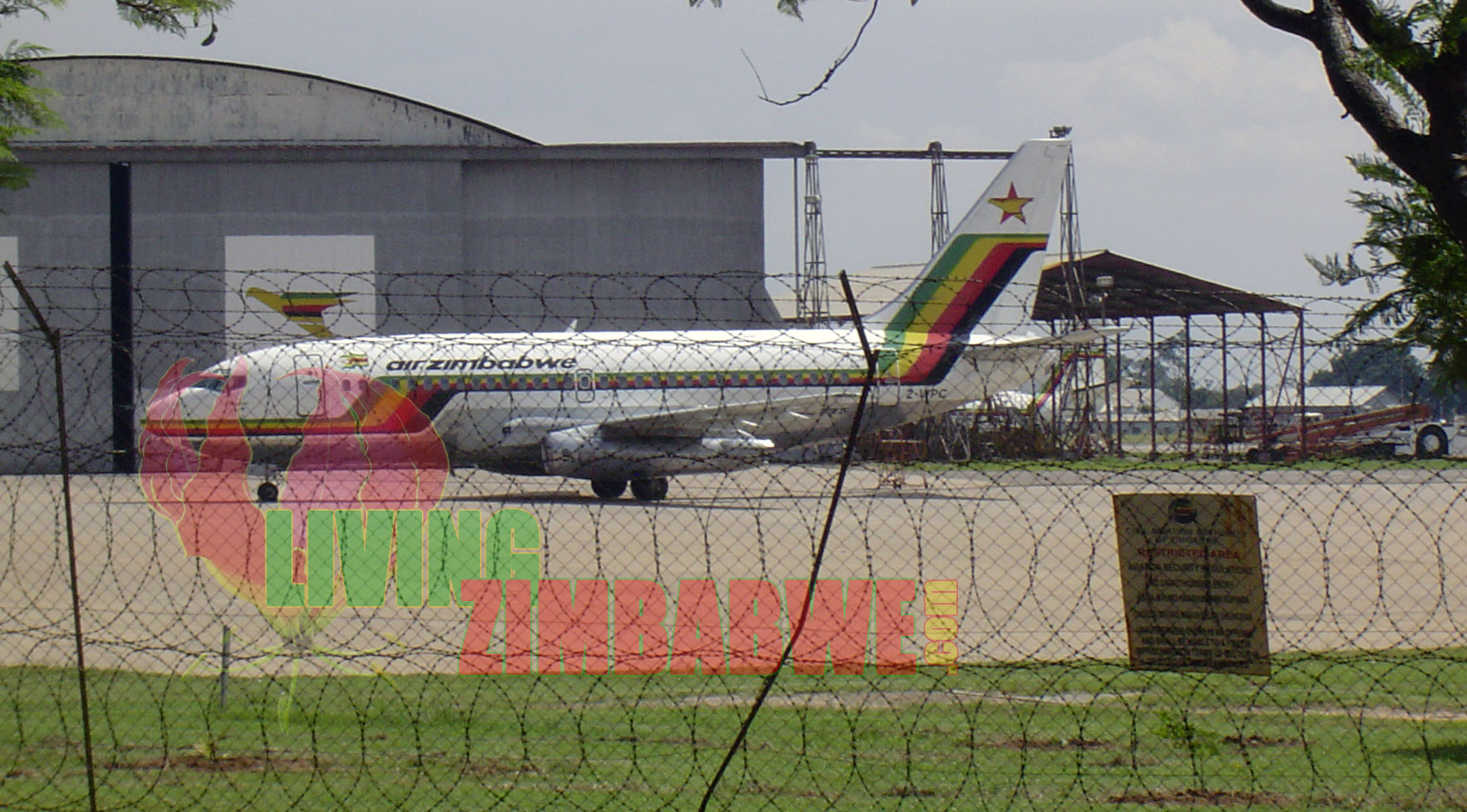
  • Air Zimbabwe Boeing 767-200ER & 737-200 at Harare International Airport

    Air Zimbabwe Boeing 767-200ER & 737-200 at Harare International Airport

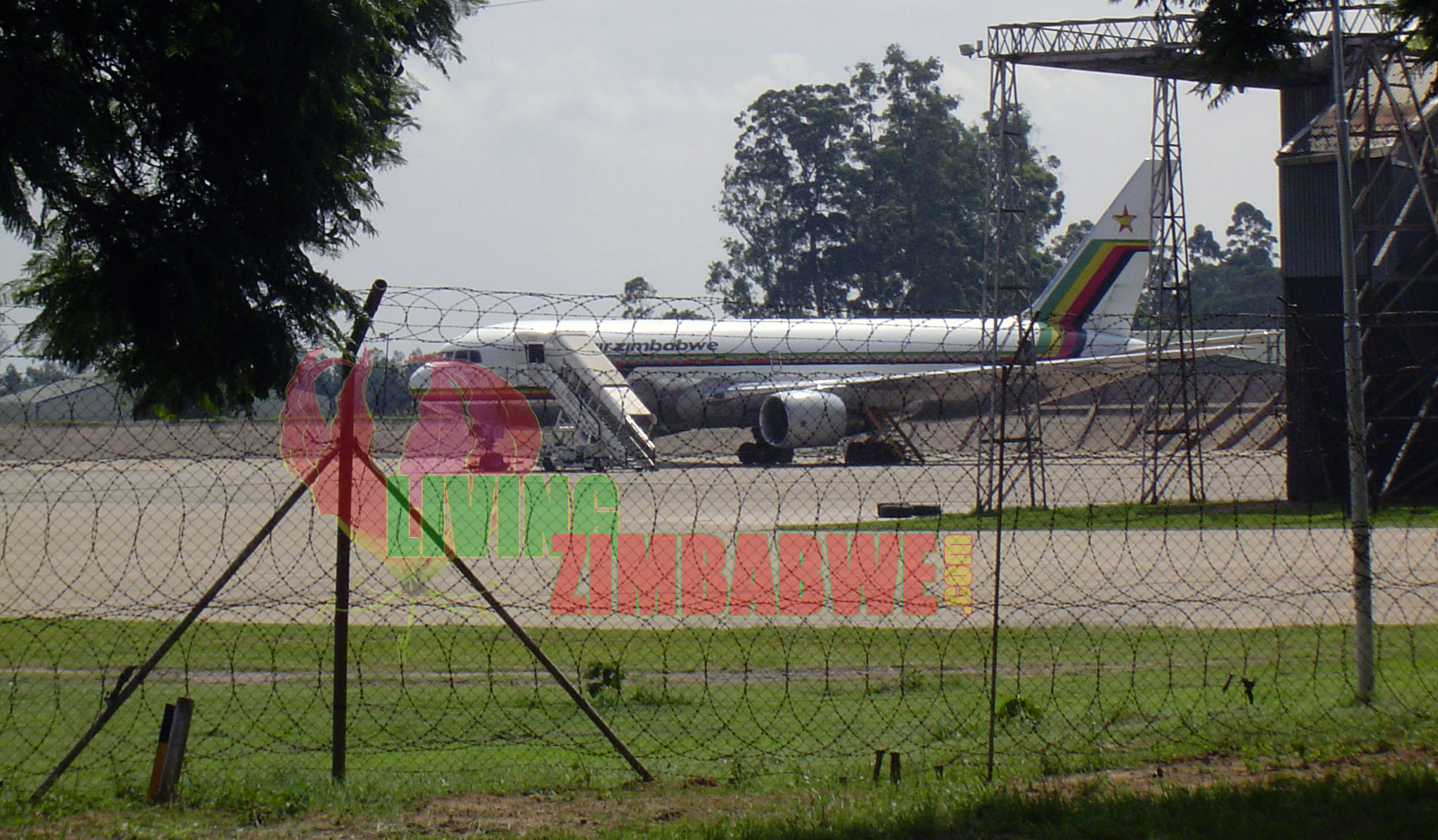
    Here are two Air Zimbabwe aircraft in the maintenance area at Harare International Airport. As with just about everything else in Zimbabwe, the national airline was not immune to events in Zimbabwe. It is plagued by a number of problems ranging from mismanagement to not being able to pay off huge debts. How they manage to keep in the skies is a mystery.

    Air Zimbabwe 737-200

    Air Zimbabwe 767-200ER

  • Potholes On The Streets of Zimbabwe

    Potholes On The Streets of Zimbabwe

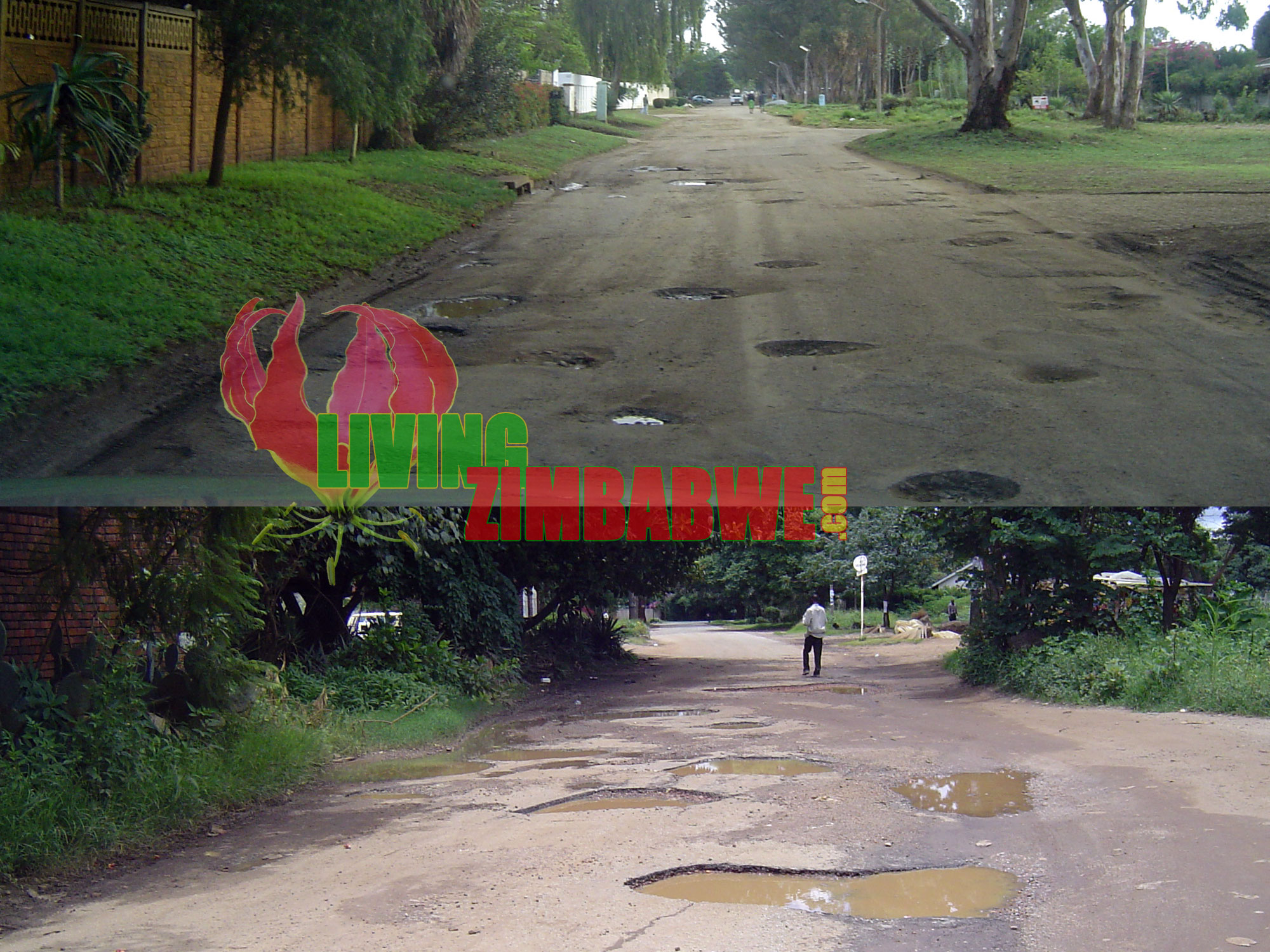
    One thing that you will be hard pressed to not find on the streets of Harare are potholes. Some roads are good with only one or two potholes here and there whilst others are really bad to the point where no matter what you do, you wont be able to avoid them (click on images for larger view).

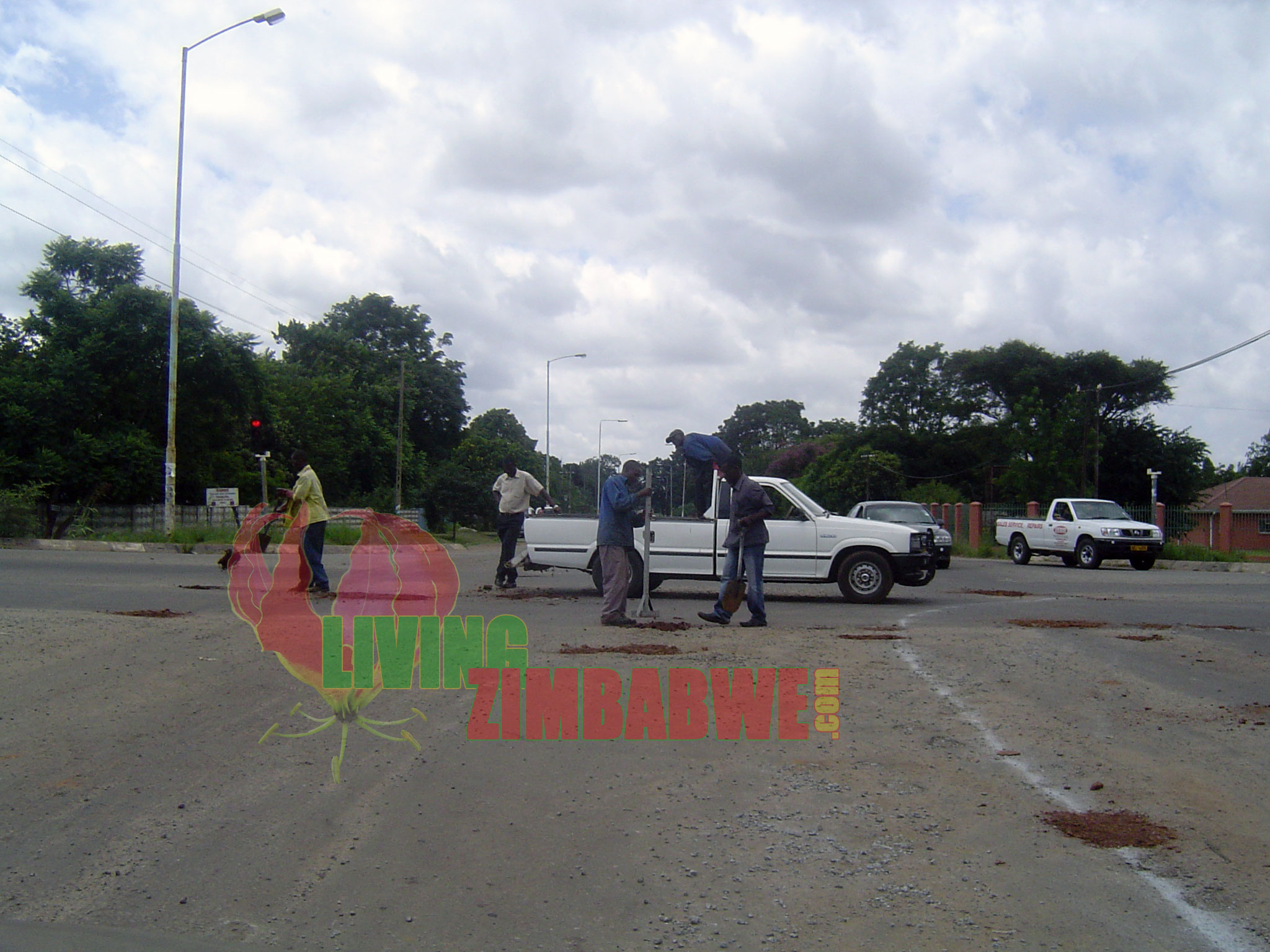
    When looking at and thinking about the state of the roads the notion of thinking about where to start fixing them is overwhelming! Surprisingly enough though, earlier in the year, it looked like strides were being made to get the roads back to an acceptable and safe standard. After driving down roads on a regular basis, you get to know where all the potholes are and how to avoid them but some potholes on various roads were being filled in with tar and the funny thing is that it felt odd to be driving down them and not have to play the game of dodging potholes.

    Before then, some people took it upon themselves to try and improve the conditions of certain stretches of road by filling the potholes with concrete or ruble. This was only probably being done because it may have been the road that they live on or use on a regular basis and have a vested interest in the longevity of their vehicles. People who have been unlucky enough to hit a pothole hard enough have come off second best with two flat tyres, cracked rims, cracked suspensions and the list goes on.

    Some people have gone as far as trying to capitalize on the situation to try and make a few dollars. One such scenario was when two men took it upon themselves to fill a relatively big pothole in the middle of a busy road. The pair worked away breaking bricks with metal poles with home made cardboard signs on either side of them that read something along the lines of ‘filling potholes voluntarily and donations of $1 or 50c are kindly accepted’. I didn’t see anyone stop to make a donation.

    It is going to take a lot to get the roads of Zimbabwe back to an acceptable and safe condition. In the meanwhile it is going to continue to cost vehicle owners a fair amount of money as they try to keep up with repairing damage caused by potholes.